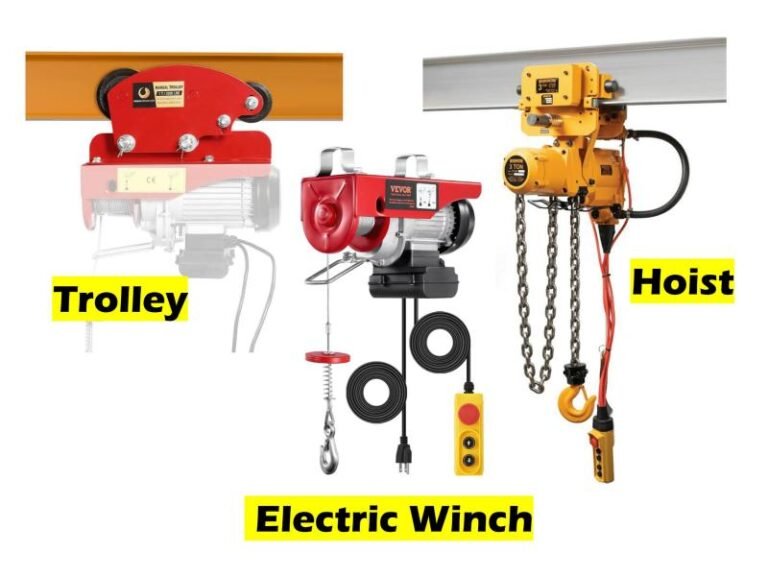
Difference Between Hoist, Electric Winch and Trolley
Understanding the differences between a hoist, electric winch, and trolley helps companies make more informed decisions when selecting lifting and material handling equipment.

Understanding the differences between a hoist, electric winch, and trolley helps companies make more informed decisions when selecting lifting and material handling equipment.
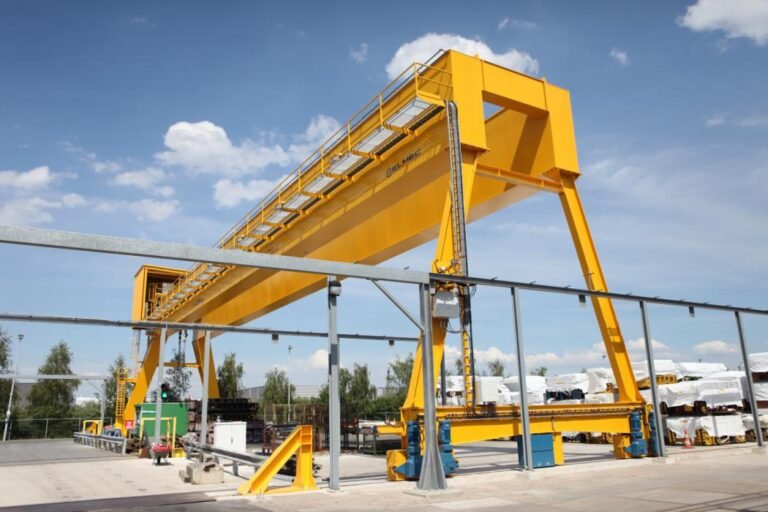
Explore jib cranes, including types, components, and applications. Learn how jib cranes improve material handling efficiency and find the right solution for your industry needs.
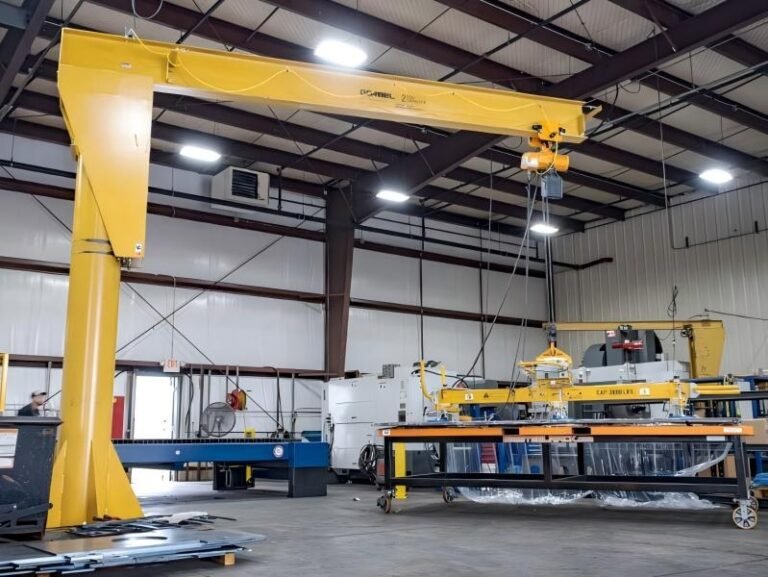
Explore jib cranes, including types, components, and applications. Learn how jib cranes improve material handling efficiency and find the right solution for your industry needs.
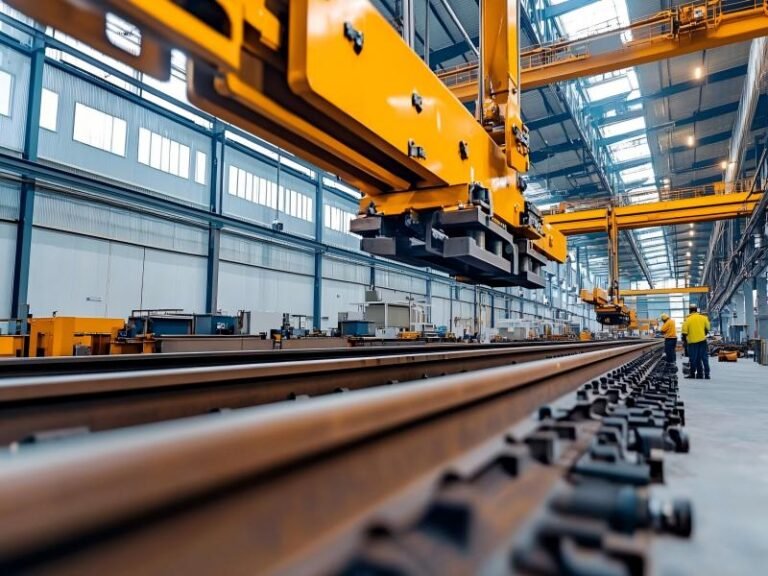
DIN 536 Part 1 defines hot rolled flat bottom crane rails (A-series) used for overhead cranes and gantry cranes. Learn about crane rail dimensions, section parameters and steel grades.
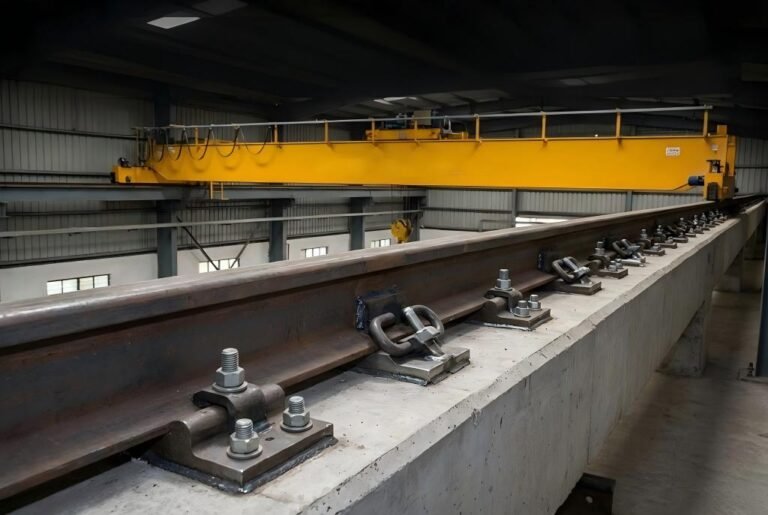
A complete guide to crane rail standards and crane rail sizes including DIN 536 crane rails, QU crane rails, ASCE rails and JIS crane rails used for overhead cranes and gantry crane runway systems.
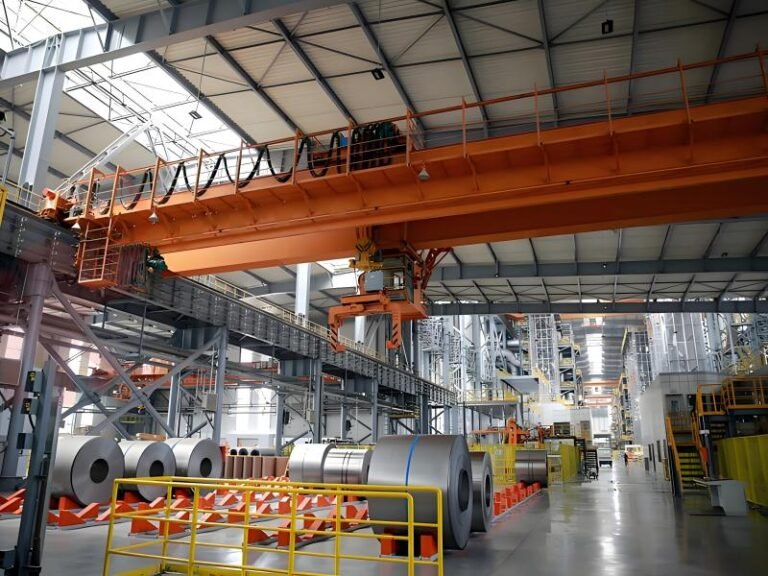
Learn what crane and hoist duty class means and why it matters in equipment design and selection. This guide explains CMAA, HMI, FEM, and ISO crane classification systems, their differences, and how they determine crane performance, safety, and service life.
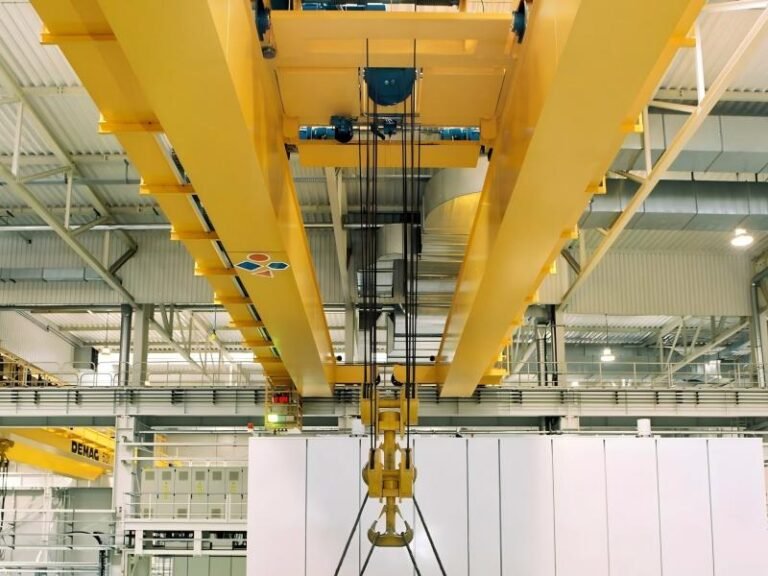
Learn the differences between single girder and double girder overhead cranes, including structure, lifting capacity, span, performance, advantages, and applications. This complete guide helps engineers and buyers choose the right crane for industrial lifting operations.
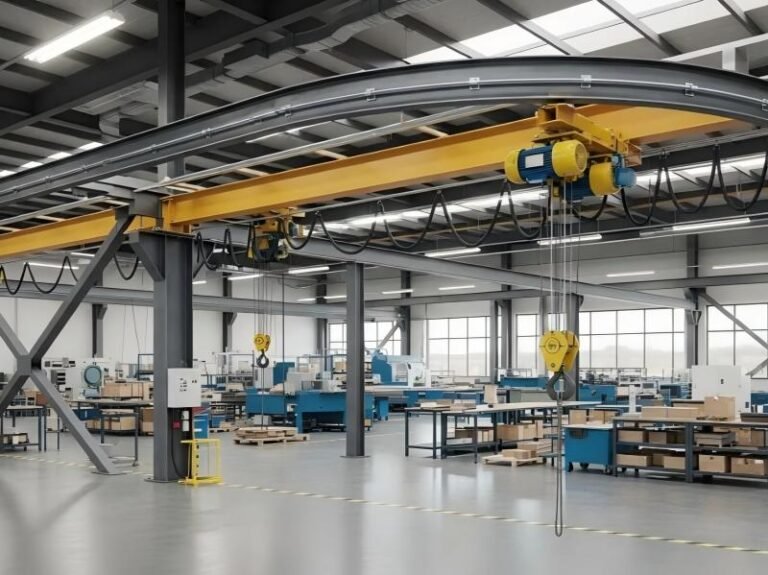
Discover the complete overhead crane classification system with 15 methods including structural types, girder design, duty class, lifting capacity, automation level, and industry applications.
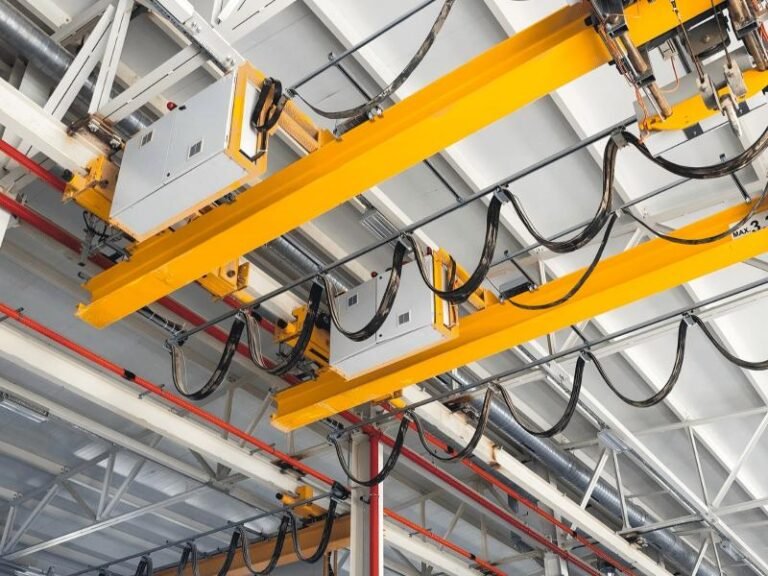
Learn the different types of overhead cranes including bridge cranes, gantry cranes, jib cranes, monorail cranes, and workstation cranes. This guide explains crane classifications, structures, lifting capacity ranges, and industrial applications to help you choose the right material handling solution.

Choosing a self-loading concrete mixer with high cost-effectiveness is crucial because it directly determines the success, return on investment, and risk resilience of your investment. It is far more than just “buying a piece of equipment”; it is “investing in a mobile concrete business.” High cost-effectiveness means finding the optimal balance between performance, price, reliability, and long-term costs.