Types of Gantry Cranes: Complete Guide to Gantry Crane Designs, Uses & Selection (2026)

Gantry cranes are one of the most versatile lifting solutions used in industrial material handling, offering flexibility, cost-efficiency, and ease of installation. From lightweight portable systems to heavy-duty double girder structures, different types of gantry cranes are designed to meet specific operational requirements across workshops, warehouses, shipyards, and outdoor yards.

Understanding the various types of gantry cranes is essential for selecting the right equipment based on lifting capacity, working environment, and duty cycle. In this guide, we will explore the most common gantry crane types, their structural differences, key advantages, and ideal applications to help you make an informed decision.

What is a Gantry Crane?

A gantry crane is a type of lifting equipment supported by legs (uprights) that hold up a main girder (bridge beam), allowing the crane to move along ground-mounted rails or wheels for handling heavy loads.

Unlike overhead cranes, gantry cranes do not rely on building structures for support. Instead, they are self-supported, making them especially suitable for outdoor environments or areas without overhead runway beams.

A gantry crane can be understood as:

“A movable overhead crane with legs”

what is a grantry crane

What Are the Different Types of Gantry Cranes?

Gantry cranes come in various designs to suit different lifting capacities, working environments, and mobility requirements. Understanding the different types of gantry cranes helps you select the most efficient and cost-effective solution for your application.

By Structural Configuration (Core Types of Gantry Cranes)

Gantry cranes can be classified based on their structural configuration. This classification directly affects load capacity, installation requirements, cost, and application scenarios. Understanding these core types is essential for selecting the most suitable crane system.

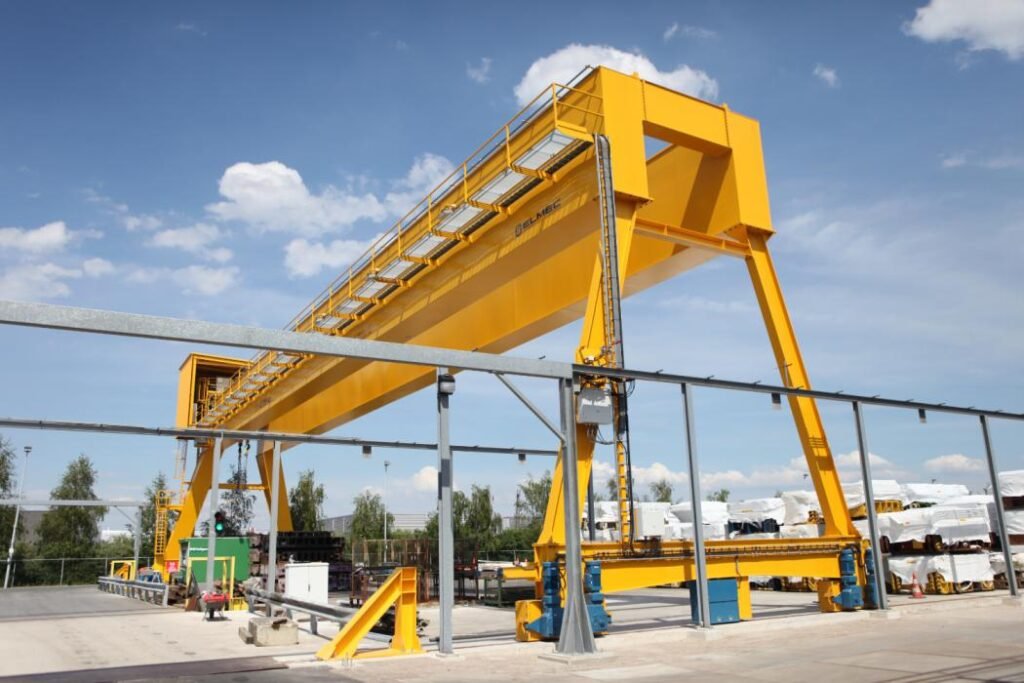
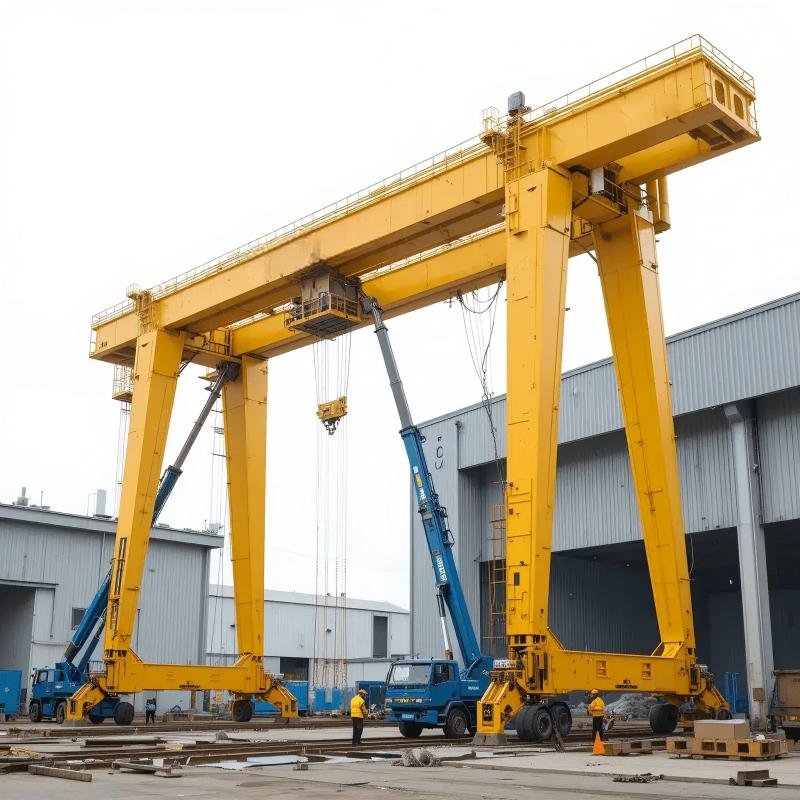
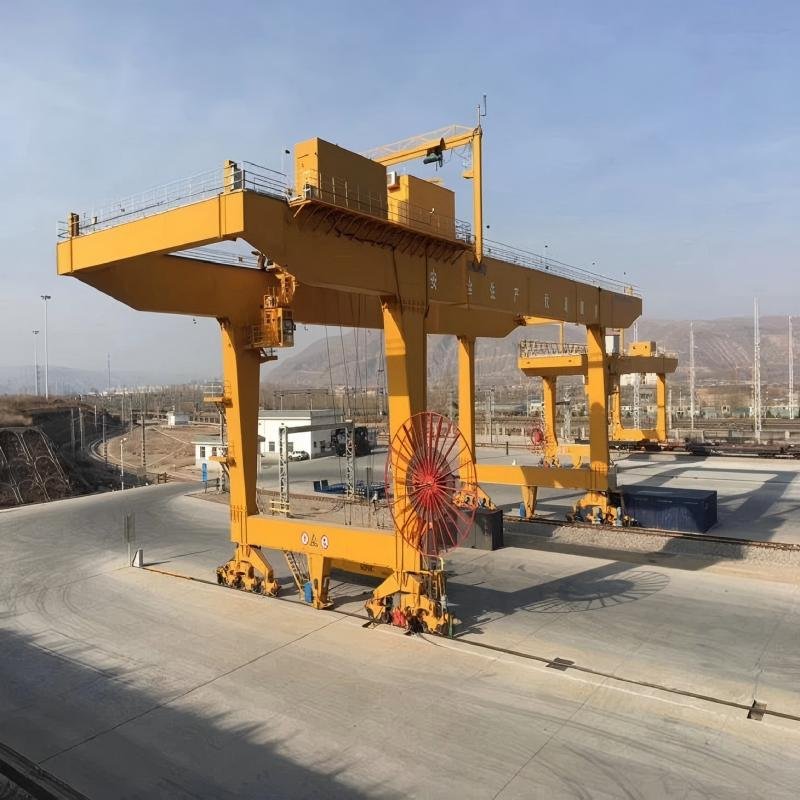
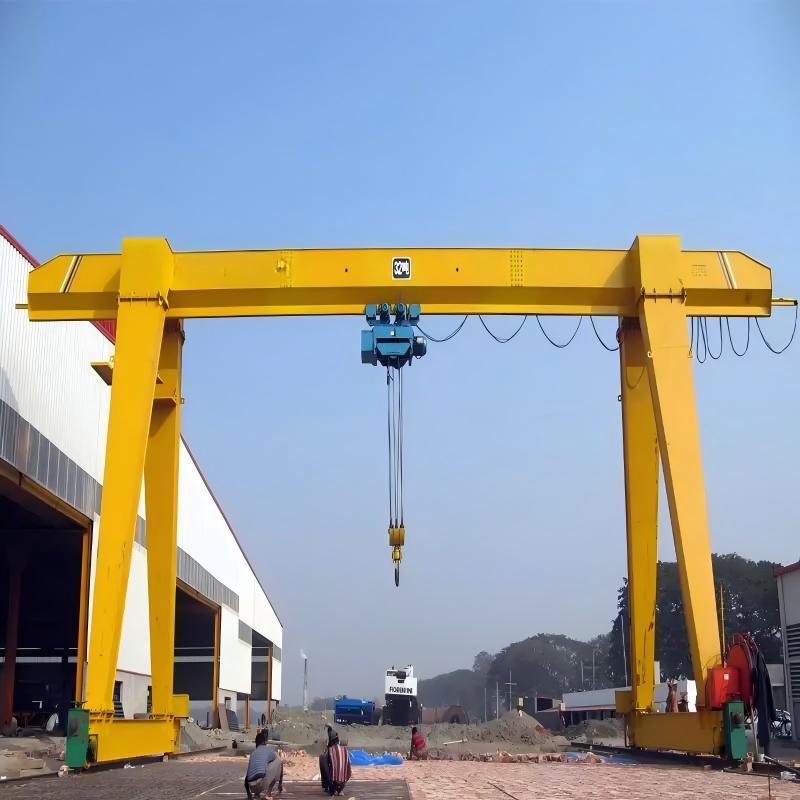
Full Gantry Crane

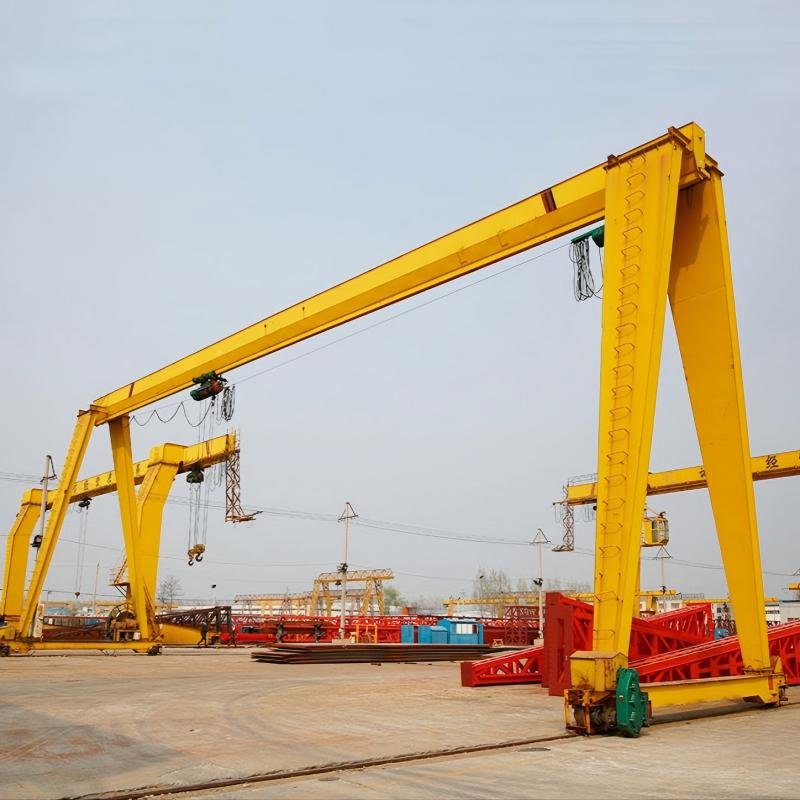
A full gantry crane is a completely freestanding system supported by two legs. It travels on ground rails or wheels and does not rely on any building structure.

  • Capacity: 5–300+ tons
  • Features: High strength, large span, independent structure
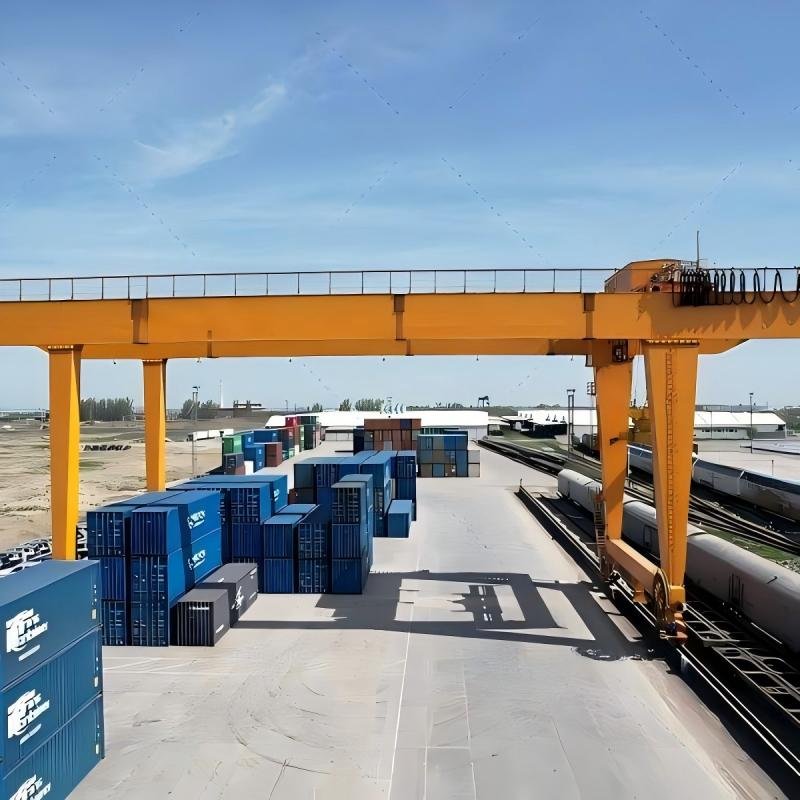
  • Applications: Shipyards, container yards, heavy industry

👉 Best for: Heavy-duty outdoor lifting

Full Gantry Crane

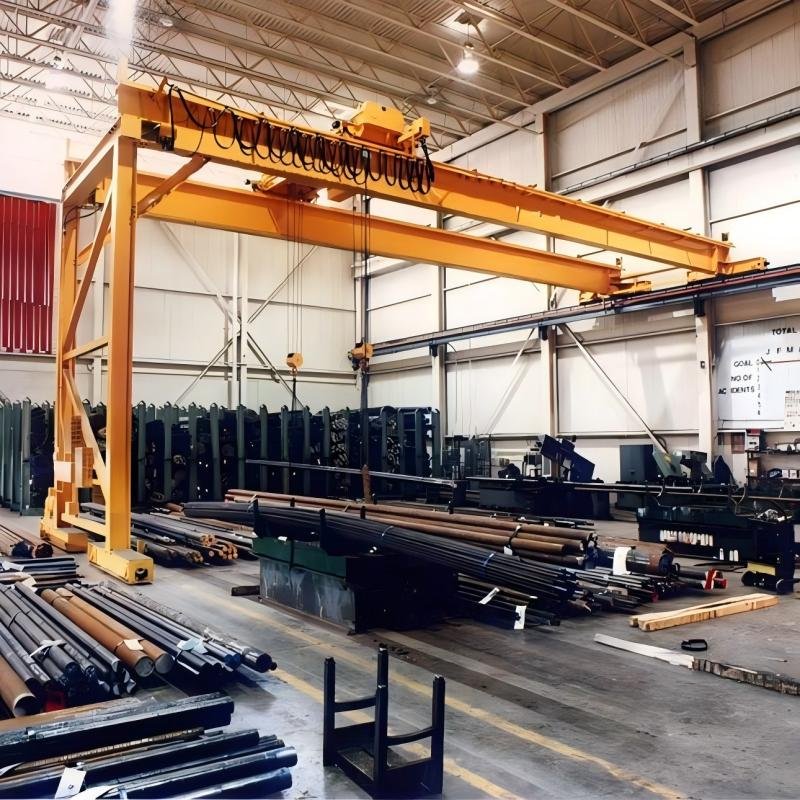
Semi Gantry Crane

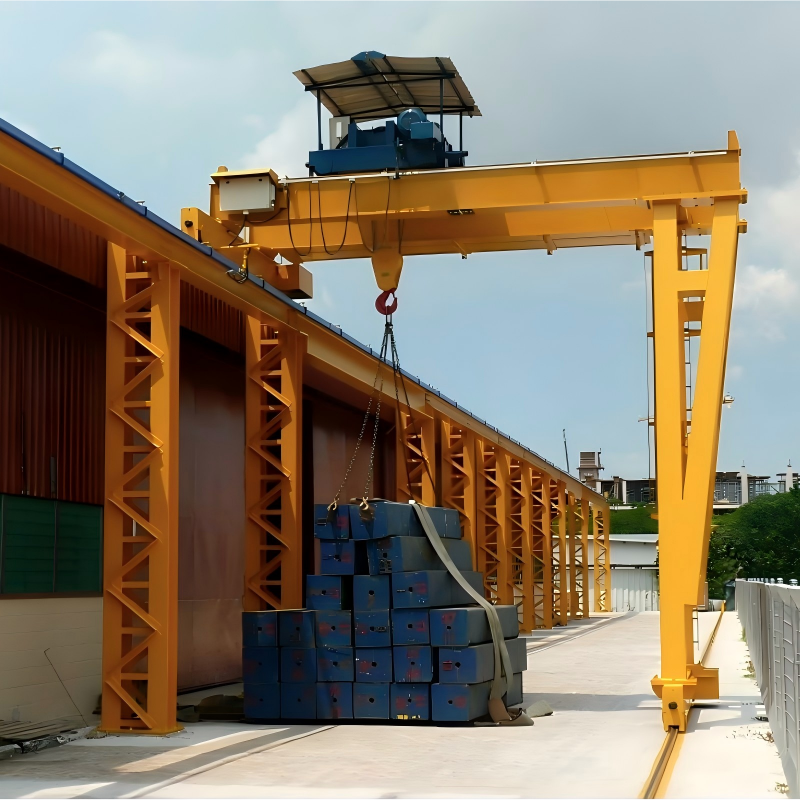
A semi gantry crane has one leg on the ground while the other side runs on a building-mounted runway beam.

  • Capacity: 3–50 tons
  • Features: Space-saving, cost-effective, hybrid design
  • Applications: Workshops, warehouses

👉 Best for: Indoor use with existing support structures

Semi Gantry Crane

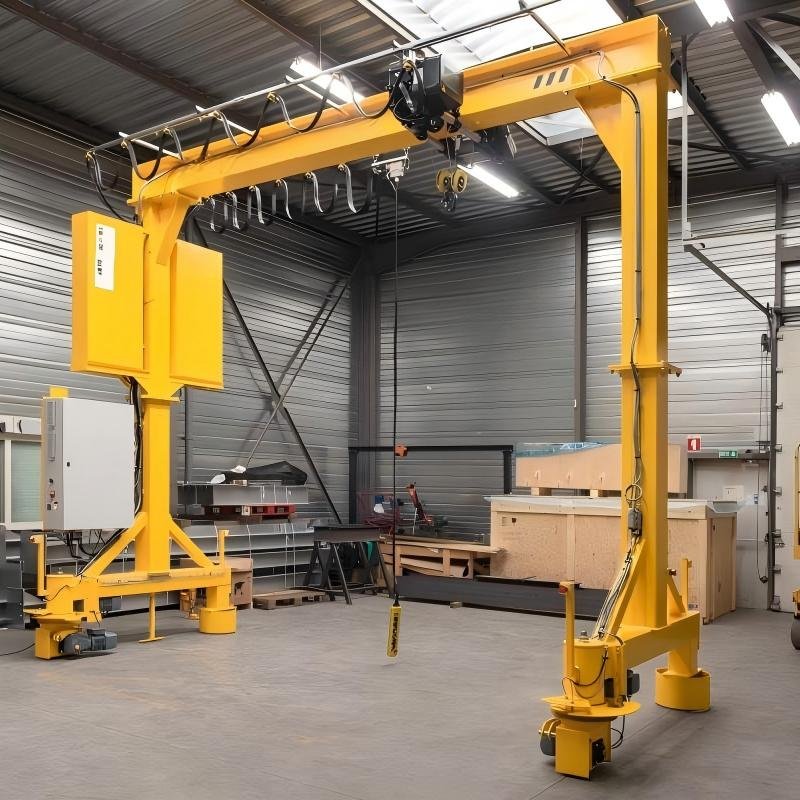
Portable Gantry Crane

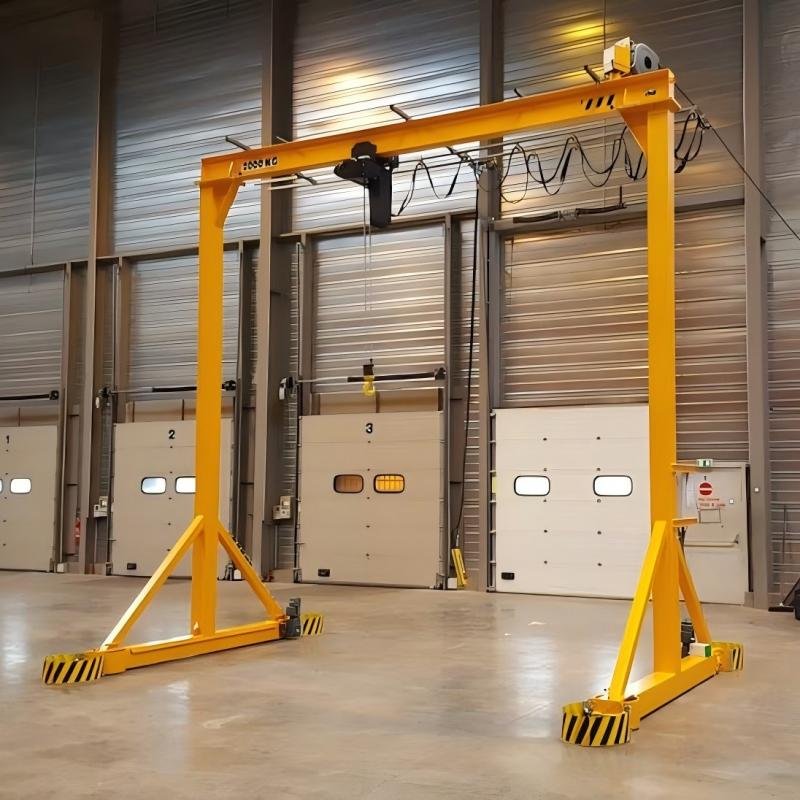
A portable gantry crane is a lightweight system equipped with wheels or casters, allowing easy movement and quick setup.

  • Capacity: 0.5–10 tons
  • Features: Mobile, flexible, easy installation
  • Applications: Maintenance, assembly, small workshops

👉 Best for: Light-duty and temporary lifting tasks

Portable Gantry Cranes

Adjustable Gantry Crane

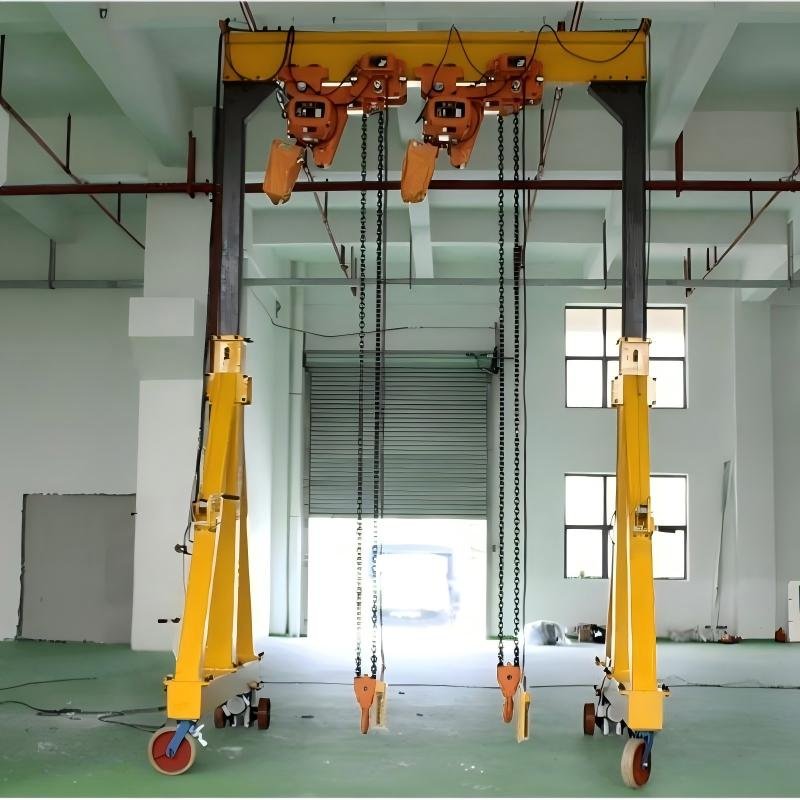
An adjustable gantry crane allows height and/or span adjustments, making it adaptable to different working environments.

  • Capacity: 0.5–15 tons
  • Features: Flexible, multi-purpose, space adaptable
  • Applications: Workshops with changing requirements

👉 Best for: Multi-use and variable lifting conditions

Adjustable Gantry Crane

By Girder Type

Gantry cranes can also be classified by their girder configuration, which directly affects lifting capacity, span, and overall performance. The choice between single girder and double girder designs depends on load requirements and working conditions.

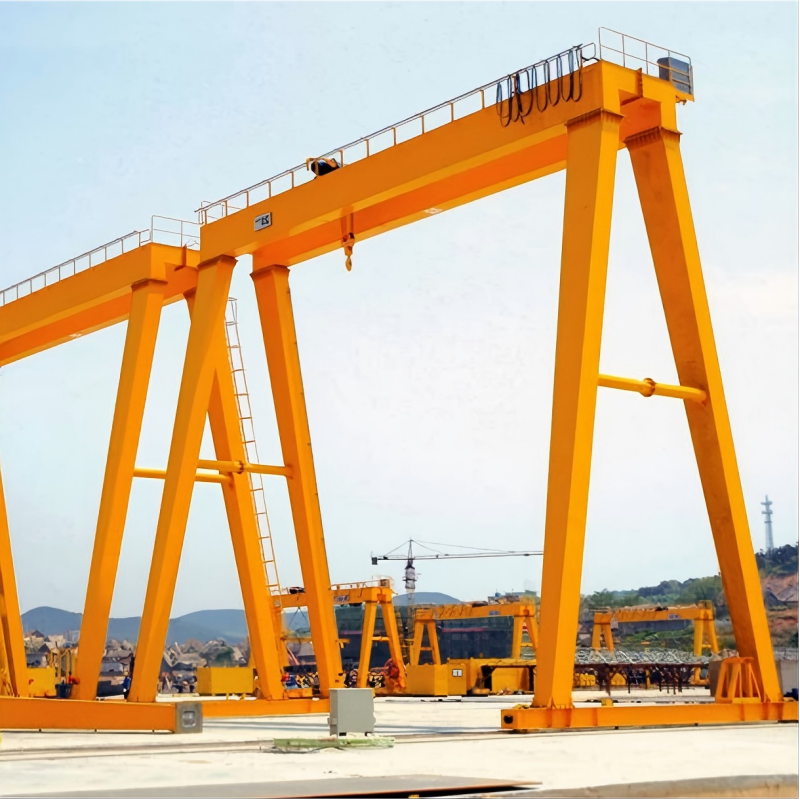
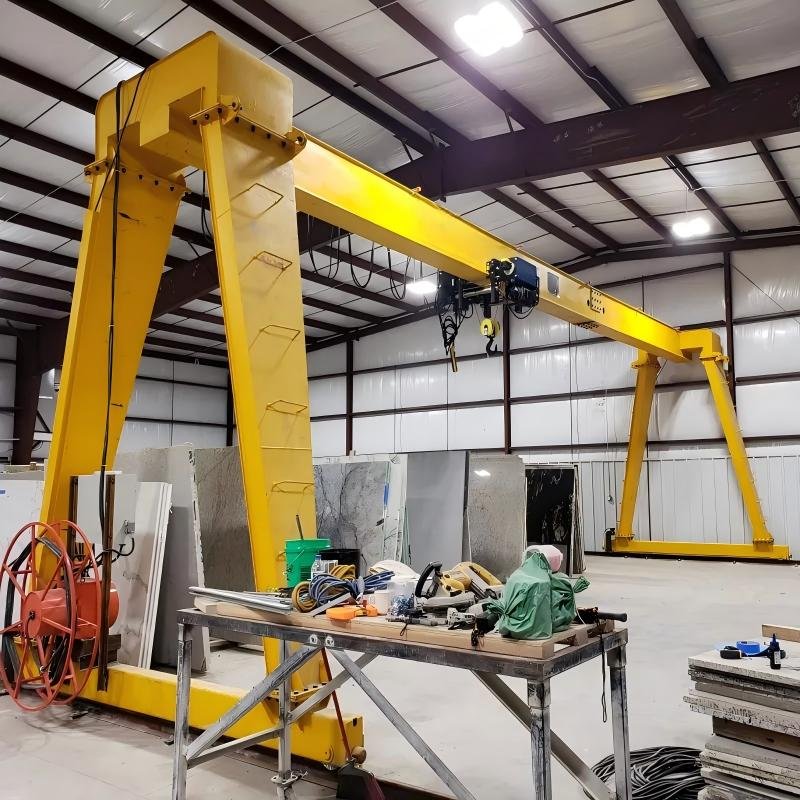
Single Girder Gantry Crane

A single girder gantry crane features one main beam supporting the hoist and trolley system. It is a cost-effective solution designed for light to medium-duty lifting tasks.

This type of crane has a simpler structure, lighter weight, and lower manufacturing cost compared to double girder systems. It is commonly used in workshops, warehouses, and small production facilities where lifting demands are moderate.

👉 Best for: Light to medium loads with cost efficiency

Single Girder Gantry Crane

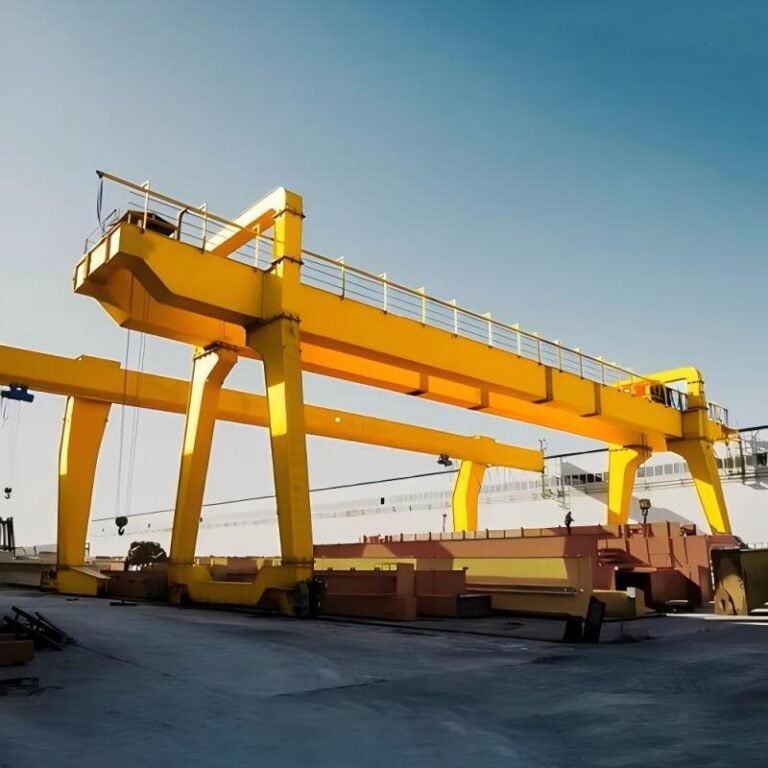
Double Girder Gantry Crane

A double girder gantry crane uses two main girders to provide greater strength, stability, and load capacity. The hoist trolley runs on rails mounted on top of the girders, allowing higher lifting height and better performance.

This type is widely used in heavy industries such as steel plants, shipyards, and large-scale manufacturing, where high loads and wide spans are required.

👉 Best for: Heavy-duty lifting and large-span operations

Double Girder Gantry Crane

By Structural Design

Another important classification is based on structural design. Different girder structures influence the crane’s weight, strength, wind resistance, and application suitability.

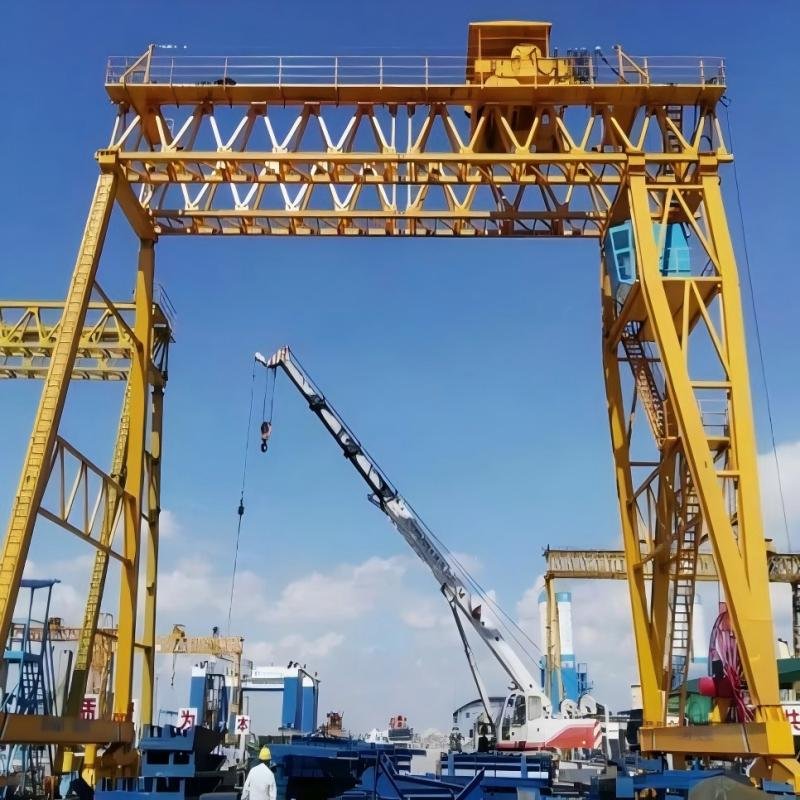
Truss Gantry Crane

A truss gantry crane features a lattice (truss) structure, which reduces overall weight while maintaining structural strength. This design minimizes wind resistance, making it especially suitable for outdoor environments.

It is commonly used in open yards, construction sites, and areas with strong wind conditions.

👉 Best for: Outdoor applications with wind load considerations

Truss Gantry Crane

Box Girder Gantry Crane

A box girder gantry crane uses a solid box-type beam structure, providing excellent rigidity and load-bearing capacity. This design ensures stability and durability under heavy loads.

It is typically used in heavy-duty applications such as steel production, shipbuilding, and large infrastructure projects.

👉 Best for: High-capacity and heavy-duty lifting

Box Girder Gantry Cranes

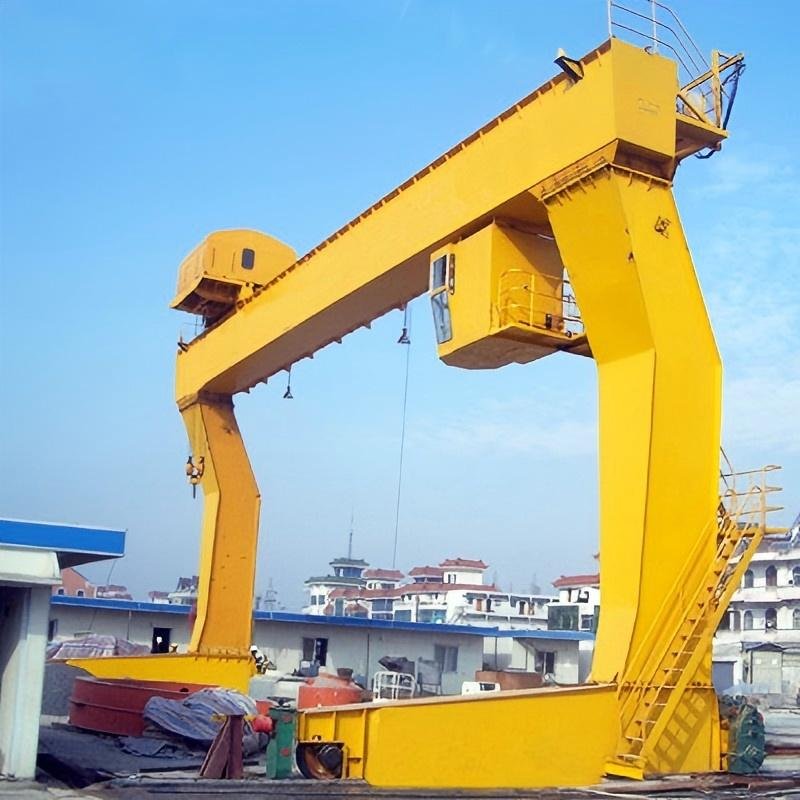
L-Shaped Gantry Crane

An L-shaped gantry crane is designed with a single girder and an L-type leg structure. This configuration allows better clearance and is particularly effective for handling long or oversized materials.

It is widely used in logistics yards, pipe handling areas, and steel stockyards where long materials need to be transported efficiently.

👉 Best for: Handling long materials such as pipes and steel sections

L-Shaped Gantry Crane

By Capacity Level

Gantry cranes can also be classified based on their lifting capacity. Among them, heavy-duty gantry cranes are specifically designed for handling extremely large and demanding loads in industrial environments.

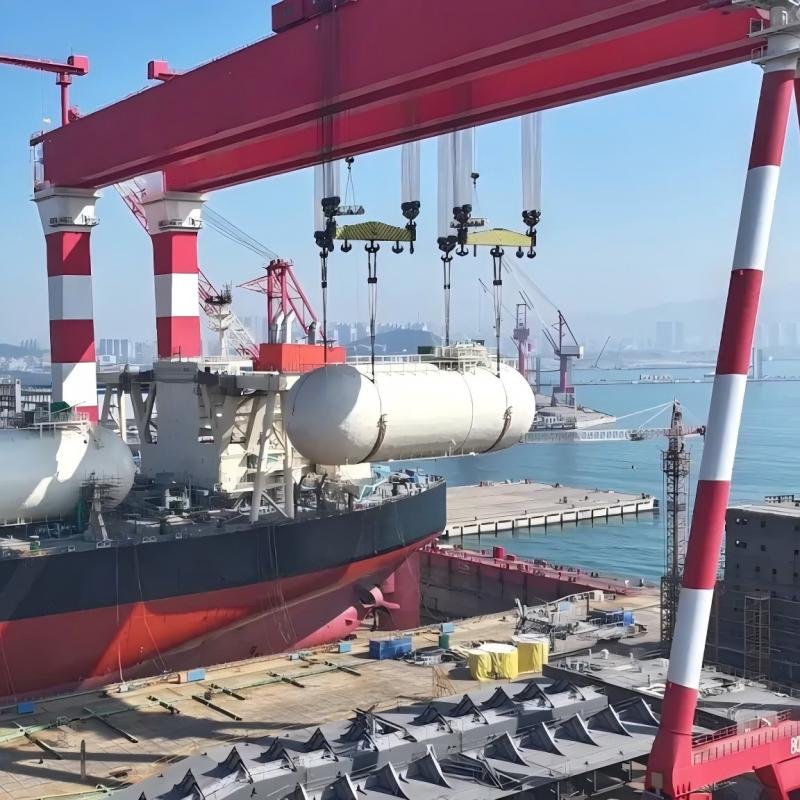
Heavy Duty Gantry Crane (50+ Tons)

A heavy-duty gantry crane typically features a double girder or box girder structure to ensure maximum strength, stability, and safety under high loads. These cranes are engineered for continuous operation and harsh working conditions.

With capacities exceeding 50 tons—and often reaching several hundred tons—this type of gantry crane is widely used in industries that require large-scale material handling and precision lifting.

Typical applications include shipyards, ports, steel plants, and major infrastructure projects, where reliability and performance are critical.

👉 Best for: Extremely heavy loads and continuous industrial operations

Heavy Duty Gantry Crane (50+ Tons)

Gantry Crane Solutions for Various Industrial Applications

In addition to the main categories above, gantry cranes can also be classified based on mobility, working environment, and application. These dimensions are not always explicitly defined but are important when selecting the right crane.

Rail-mounted gantry cranes (RMG)
Rail-mounted gantry crane (RMG)
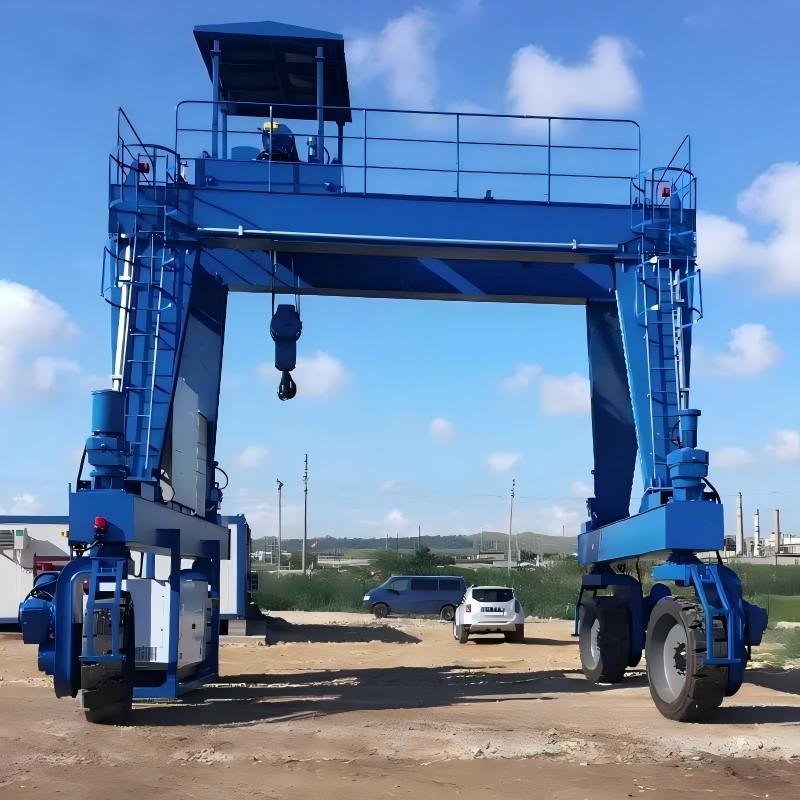
Wheel-mounted gantry crane
Indoor gantry cranes
Indoor gantry crane
Outdoor gantry crane
Manufacturing gantry crane
Shipyards gantry cranes
Shipyards gantry crane
Warehousing gantry crane
Construction gantry crane(1)
Construction gantry crane

What Are the Components of a Gantry Crane?

A gantry crane is made up of several key components that work together to lift, move, and position heavy loads safely and efficiently. Understanding these components helps in proper selection, operation, and maintenance of the crane system.
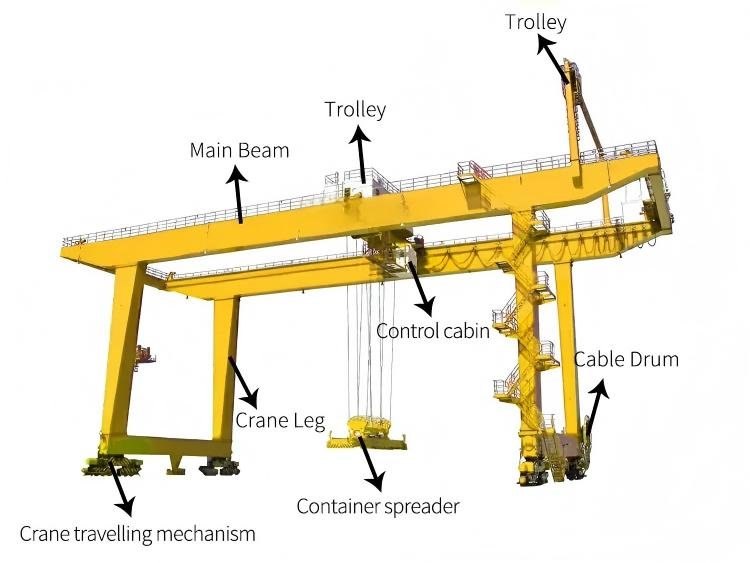
Components of a Gantry Cranes

All these components—girder, legs, hoist, trolley, travel system, and control system—work together to enable efficient three-dimensional material handling. A well-designed gantry crane ensures reliability, safety, and optimal performance in various industrial applications.
Main Girder (Bridge Beam)

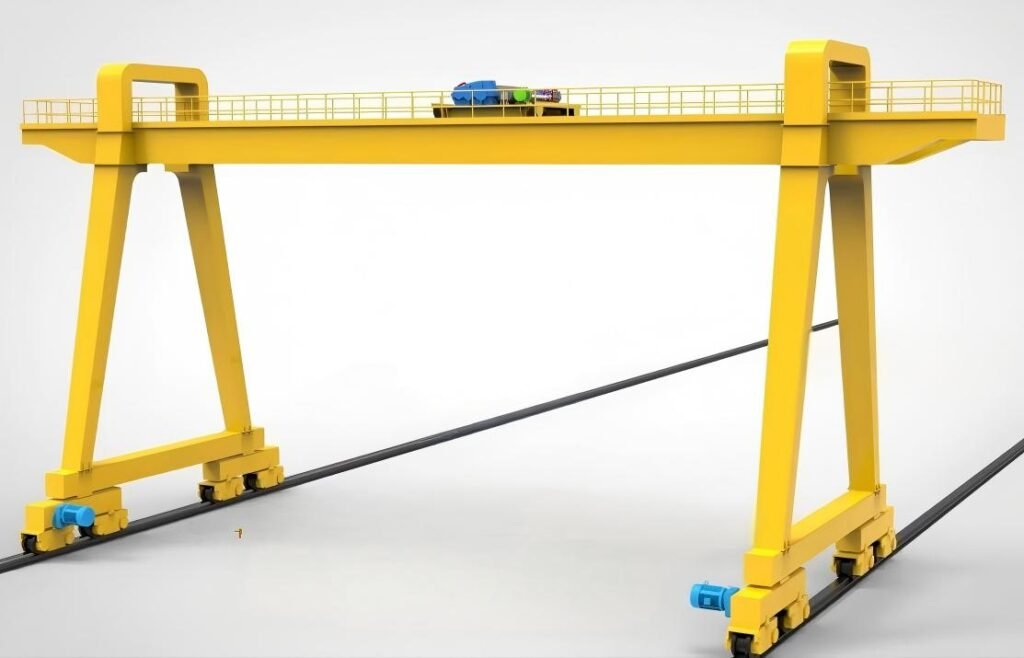
The main girder (bridge beam) is the primary horizontal structure of the gantry crane and serves as the main load-bearing element. It supports the trolley and hoist system while spanning the working area. Depending on the design, it can be configured as a single girder or double girder, and it is engineered to provide sufficient strength and minimal deflection under load.

Legs (Support Structure)

The legs (support structure) are vertical components that support the main girder and transfer the load to the ground or rail system. Typically designed in A-frame or L-type configurations, the legs ensure overall stability and are connected to the wheel assemblies or end carriages for movement.

types of gantry cranes

Hoist (Lifting Mechanism)

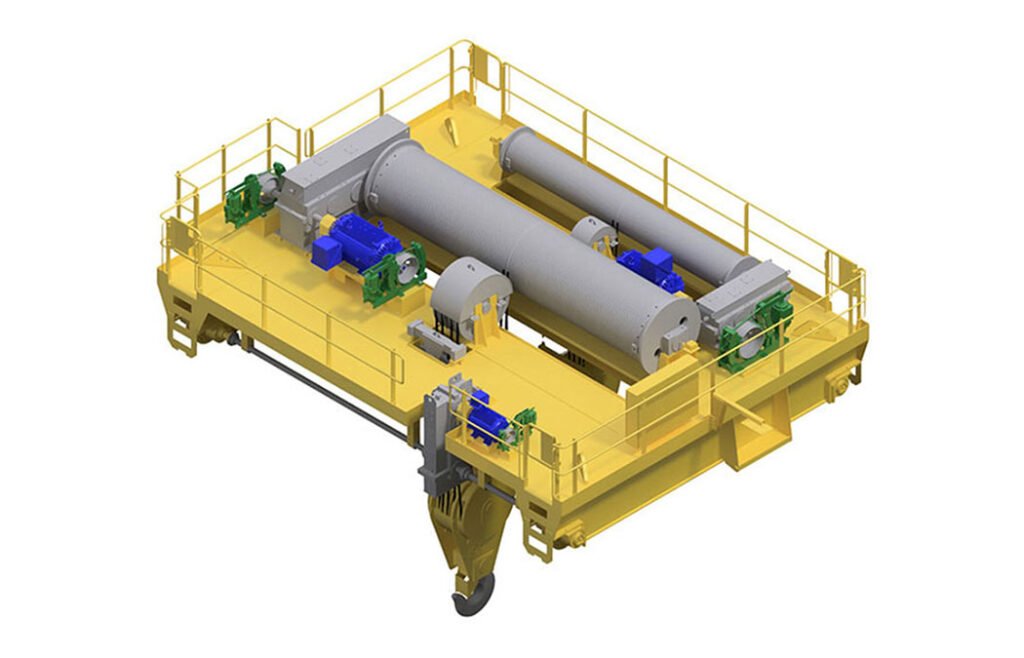
The hoist is the lifting mechanism responsible for raising and lowering the load. It usually consists of a motor, drum, wire rope or chain, and a hook. Hoists can be electric or manual, with wire rope hoists commonly used for heavier loads and chain hoists for lighter applications.

Trolley

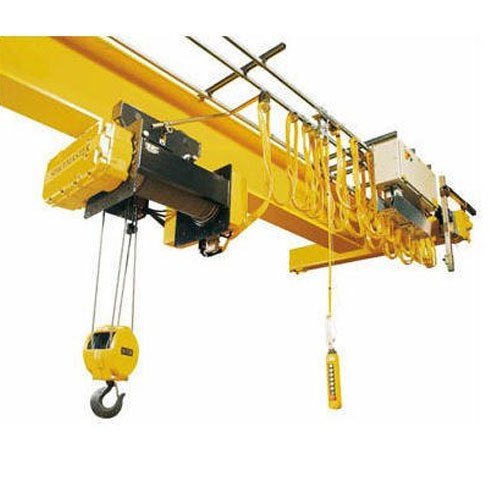
The trolley is mounted on the main girder and carries the hoist. It moves horizontally along the beam, allowing the load to be positioned across the span. Trolleys can be manually operated or motorized, depending on the application and required efficiency.

gantry crane hoist trolley

Travel Mechanism (End Carriage)

The travel mechanism (end carriage) enables the entire gantry crane to move forward and backward along rails or on wheels. This system includes motors, gearboxes, and wheel assemblies, allowing the crane to cover a larger working area.

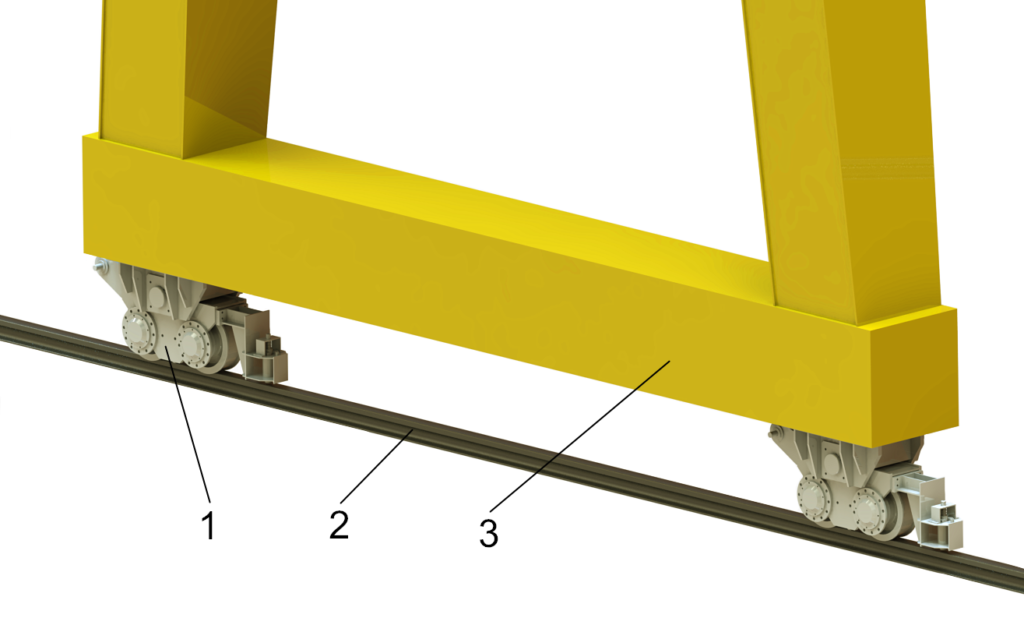
Wheels or Rails

The wheels or rails provide the path for crane movement. Rail-mounted gantry cranes use steel wheels running on fixed tracks for stability and precision, while portable or mobile gantry cranes may use rubber wheels for greater flexibility.

The variation of frequency with braking time under normal braking conditions. (1.car travel mechanism 2. track 3. gantry crane)

Electrical System

The electrical system supplies power and coordinates the operation of the crane. It includes control panels, power cables, festoon systems, and electrical components that drive the hoist, trolley, and travel mechanisms.

Control System

The control system allows the operator to manage crane movements safely and accurately. Common control methods include pendant controls, wireless remote controls, and operator cabins for larger cranes.

Electrical System

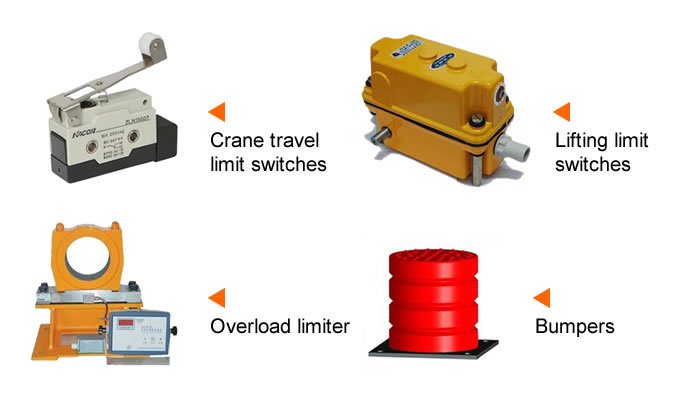
Safety Devices

Finally, safety devices are essential components that ensure safe operation. These include overload protection systems, limit switches, emergency stop buttons, and, for outdoor cranes, wind brakes or rail clamps. These features help prevent accidents and protect both equipment and personnel.

How to Choose a gantry cranes?

Choosing the right gantry crane is critical for ensuring safe operation, cost efficiency, and long-term performance. The selection process should be based on your specific lifting requirements, working environment, and operational conditions.

Selection FactorDescriptionRecommendation
Lifting CapacityMaximum load the crane needs to handleAdd 20–25% safety margin to actual load
SpanDistance between the two legsMatch workspace width; larger span increases cost
Lifting HeightVertical hook travel distanceConsider current needs + future expansion
Crane TypeStructural configuration (full, semi, portable, adjustable)Choose based on application and flexibility needs
Working EnvironmentIndoor or outdoor conditionsOutdoor requires wind resistance & anti-corrosion design
Travel MethodHow the crane moves (rail or wheels)Rail-mounted for precision; wheel-mounted for flexibility
Duty ClassFrequency and intensity of useA1–A3 (light), A4–A5 (medium), A6–A8 (heavy duty)
Power SupplyVoltage and electrical requirementsEnsure compatibility with local standards
Control MethodHow the crane is operatedPendant (basic), remote (flexible), cabin (heavy-duty)
Safety FeaturesProtection systems for safe operationInclude overload protection, limit switches, emergency stop


Conclusion

Each type of jib crane is designed to solve specific challenges related to space utilization, load handling, and operational flexibility. Selecting the right configuration ensures improved efficiency, reduced labor costs, and enhanced workplace safety.

Table of Contents

Related Resources

Scroll to Top

Contact Us Now