Difference Between Hoist, Electric Winch and Trolley

Difference Between Hoist, Electric Winch and Trolley

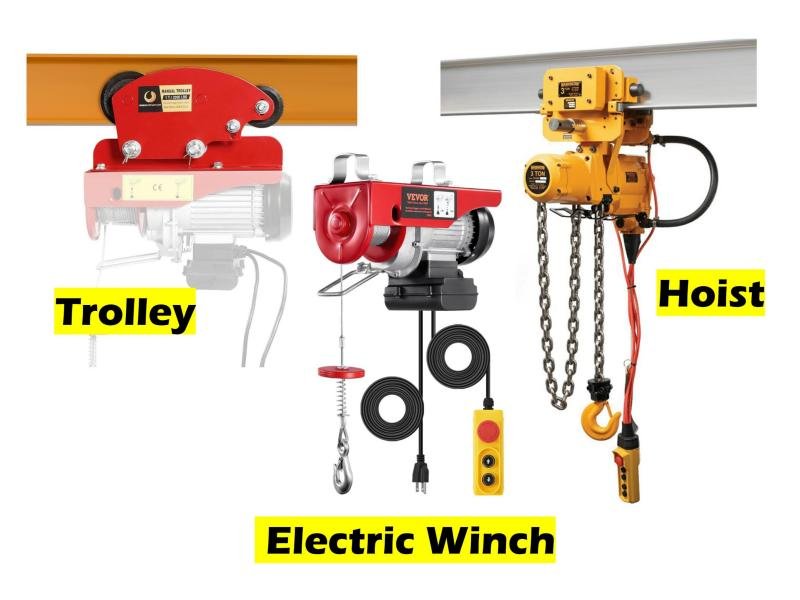
Understanding the differences between a hoist, electric winch, and trolley helps companies make more informed decisions when selecting lifting and material handling equipment. These three components serve different functions in lifting systems, including vertical lifting, horizontal pulling, and load positioning, making them suitable for different industrial applications and operational requirements.

By understanding these differences, users can choose the most appropriate equipment based on their actual working conditions, load requirements, and movement needs, ensuring efficient and safe material handling.
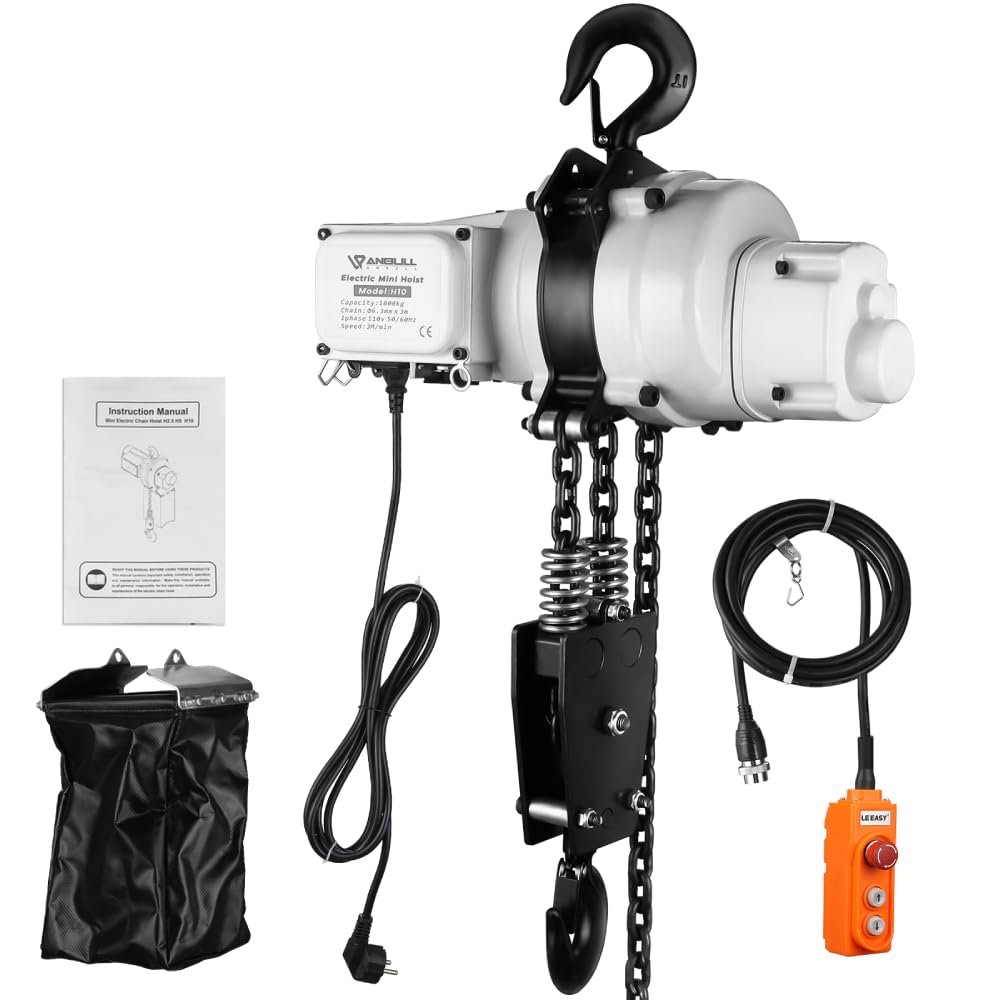
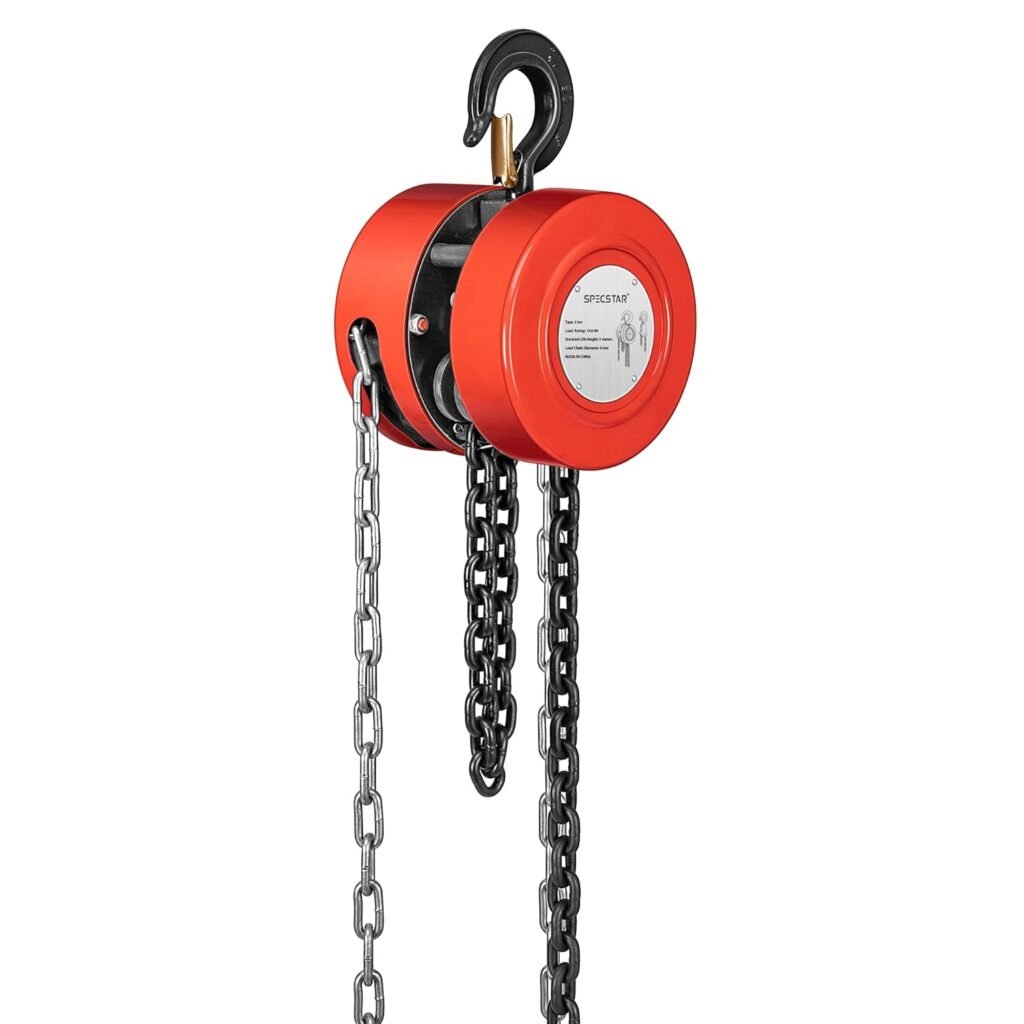
What is a Hoist?

A hoist is a mechanical lifting device used to raise or lower loads vertically using a chain or wire rope. It is one of the most essential components in lifting systems such as cranes, jib cranes, and gantry cranes.

How Does a Hoist Work?

A hoist works by using a motor or manual force to wind a chain or wire rope around a drum or lift wheel, allowing controlled vertical movement of loads.

Typical components include:

  • Motor or manual drive
  • Drum or lifting wheel
  • Chain or wire rope
  • Hook (to carry the load)
  • Brake system (for safety)

Types of Hoists

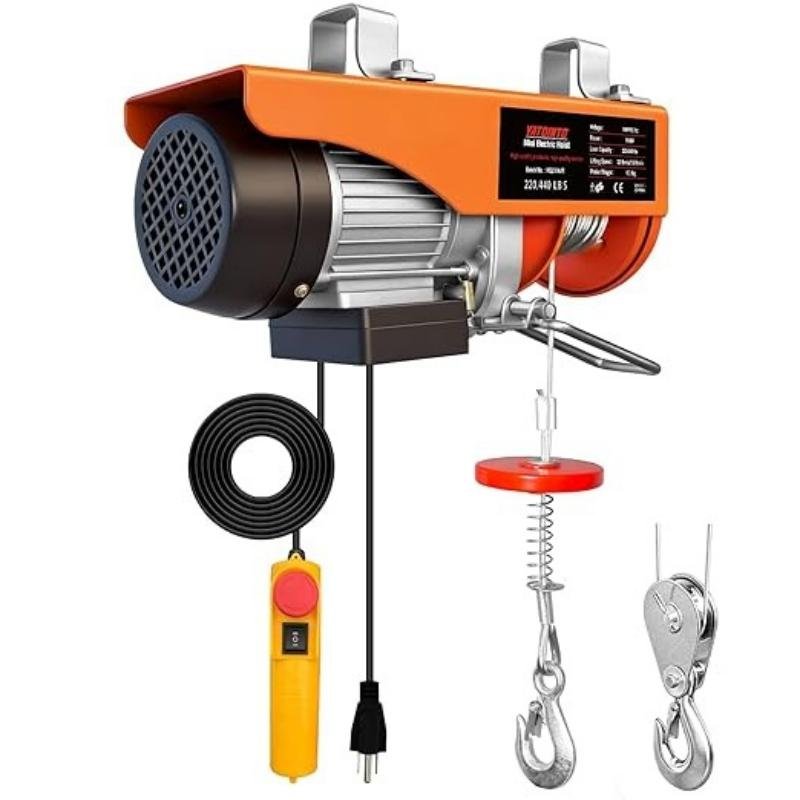
Electric Hoist

Electric Hoist

An electrically powered lifting device designed for efficient and precise vertical lifting in industrial applications.

Manual Hoist

Manual Hoist

A hand-operated lifting device used for light-duty applications where power supply is not required.

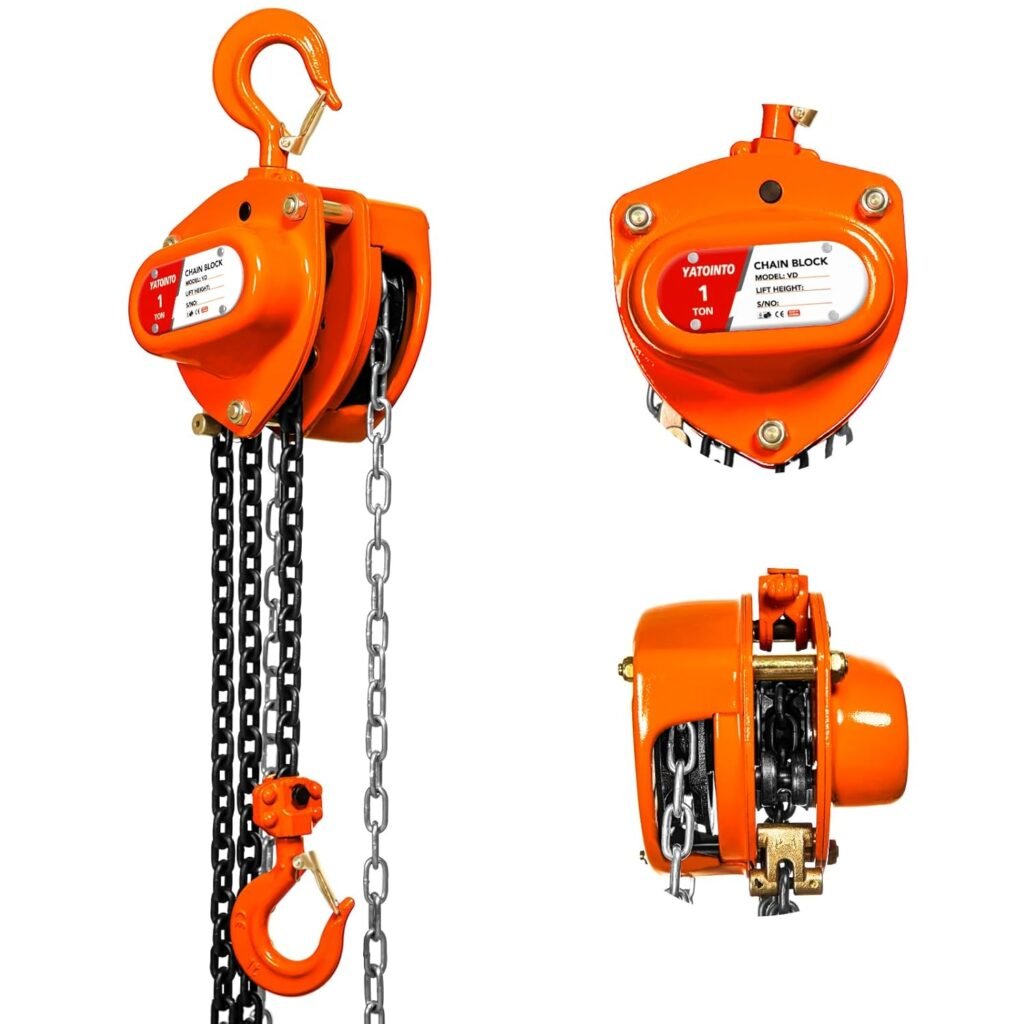
Chain Hoist

Chain Hoist

A compact hoist that uses a load chain for lifting, ideal for short lifting heights and lighter loads.

Wire Rope Hoist

Wire Rope Hoist

A heavy-duty hoist that uses steel wire rope, suitable for higher lifting capacities and smoother operation.

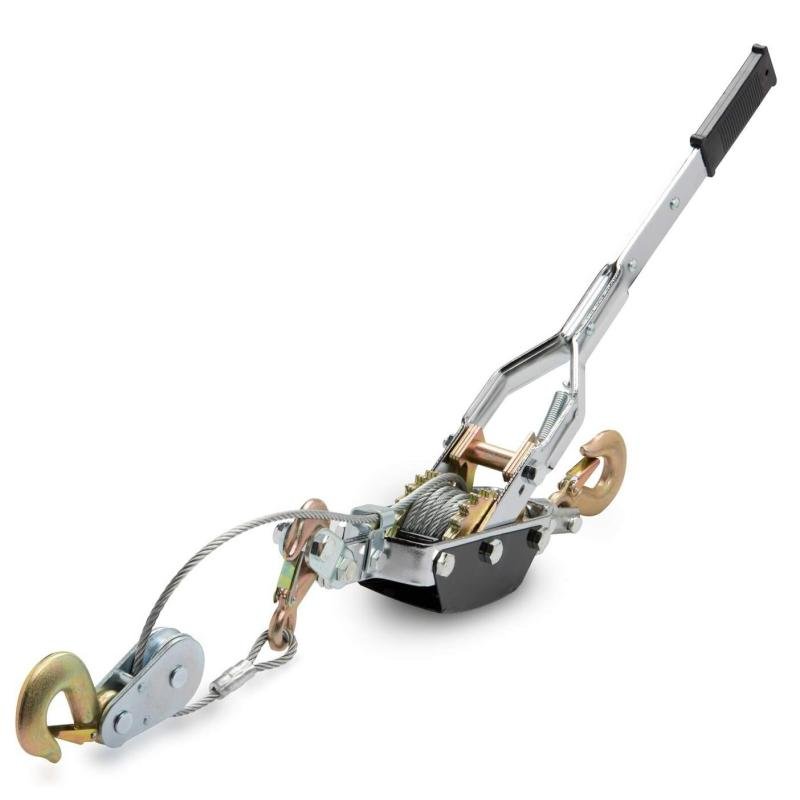
What is a winch?

A winch is a mechanical device used to pull, drag, or lift loads by winding a wire rope or cable around a rotating drum. It is commonly used for horizontal or inclined movement, rather than precise vertical lifting.

How Does a Winch Work?

A winch operates by rotating a drum to wind or unwind a cable, powered by:

  • Electric motor
  • Hydraulic system
  • Manual force

Main components include:

  • Drum 
  • Wire rope / cable 
  • Motor / drive system 
  • Brake system 

Types of Winches

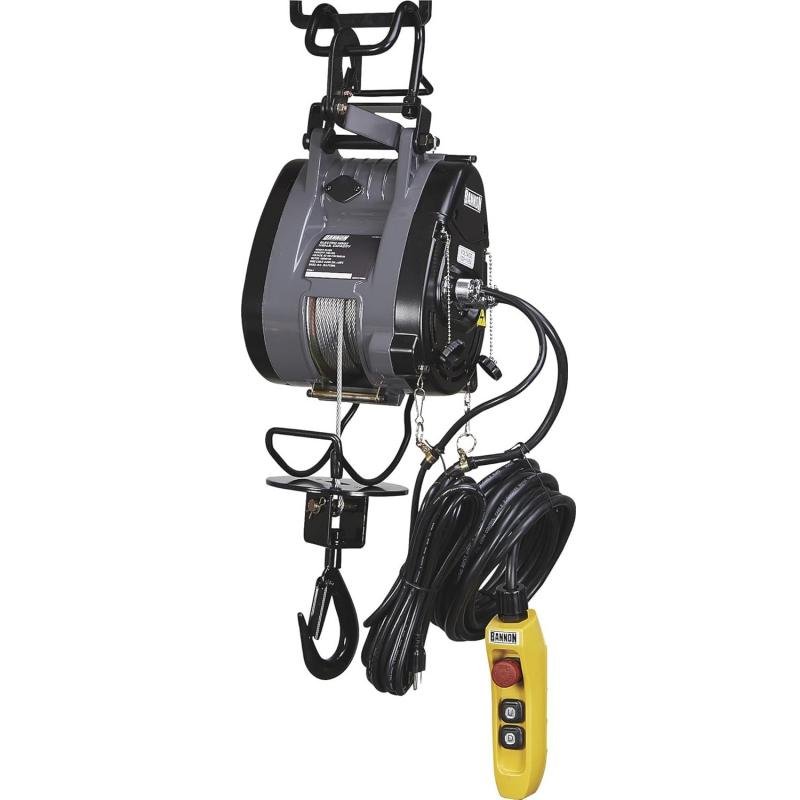
Electric Winch

Electric Winch

A motor-driven winch designed for efficient and consistent pulling or lifting operations in industrial and commercial applications.

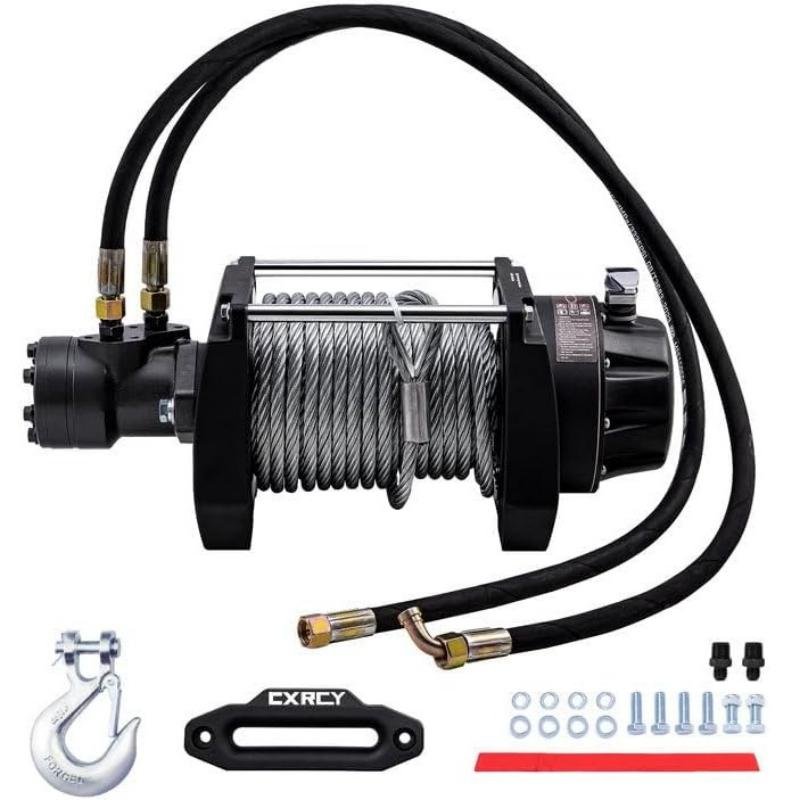
Hydraulic Winch

Hydraulic Winch

A high-power winch driven by a hydraulic system, ideal for heavy-duty and continuous operations under demanding conditions.

Manual Winch

Manual Winch

A hand-operated winch used for light-duty pulling tasks where power supply is unavailable or unnecessary.

What is a trolley?

A trolley is a mechanical device used to move a hoist or load horizontally along a beam, such as an I-beam or crane girder. It enables precise positioning of loads within a lifting system.

How Does a Trolley Work?

A trolley runs on wheels along a beam or track, allowing the attached hoist or load to move horizontally.

Typical components include:

  • Wheels (running on beam flange)
  • Frame (supporting the hoist)
  • Drive system (manual or motorized)

Types of Trolleys

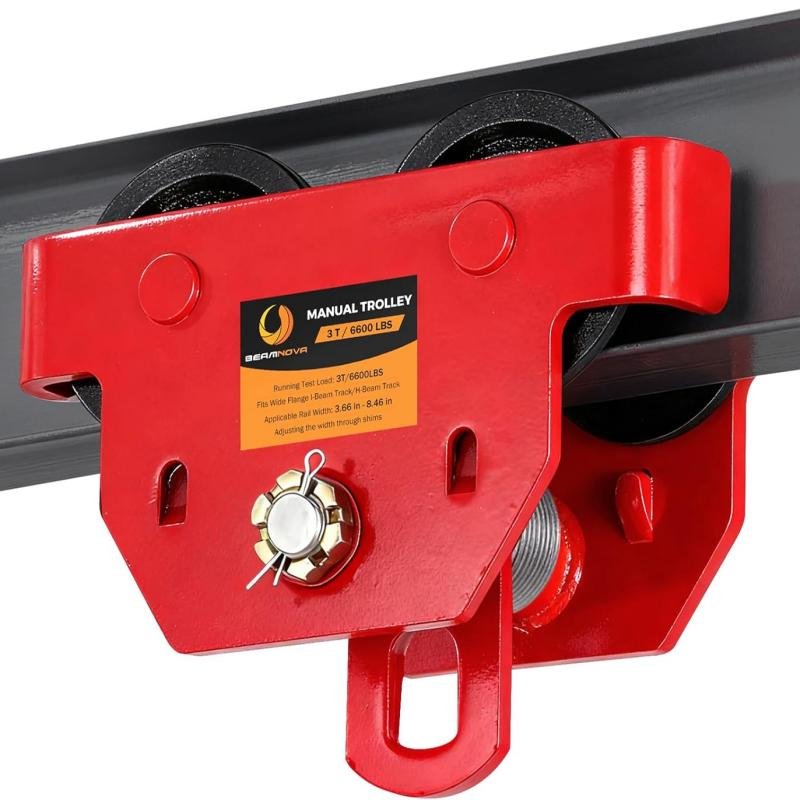
Manual Trolley

Manual Trolley

A hand-operated trolley that moves a hoist or load along a beam using a chain or push force, ideal for light-duty applications.

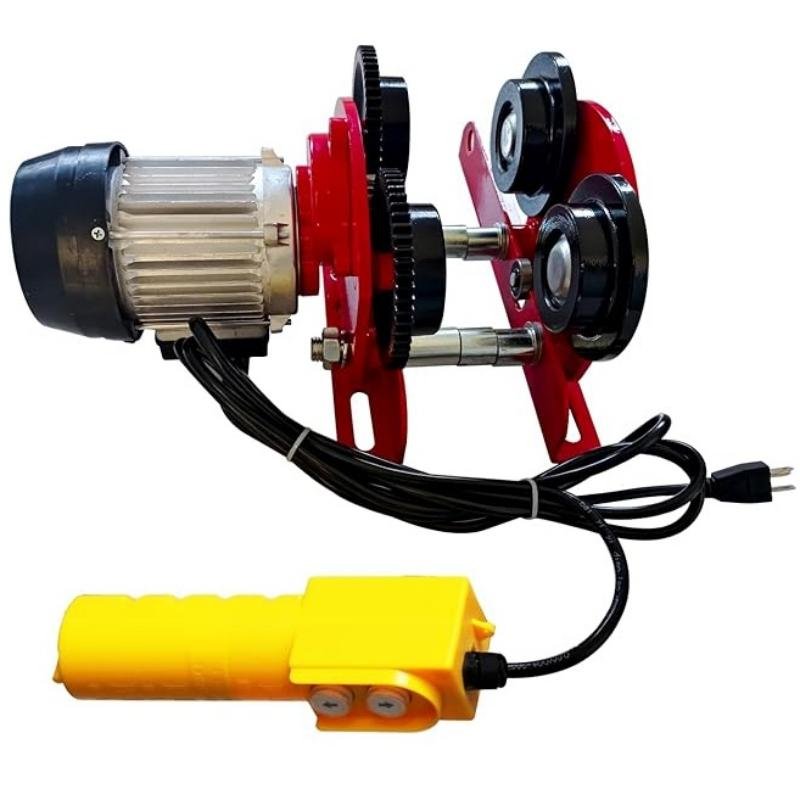
Electric Trolley

Electric Trolley

A motor-driven trolley designed for smooth and efficient horizontal movement of loads in medium to heavy-duty operations.

Difference Between Hoist, Electric Winch and Trolley

Understanding the differences between a hoist, electric winch, and trolley is essential for selecting the right equipment in lifting and material handling systems. Although they are often used together, each performs a distinct function.

One-Line Difference:Hoist lifts vertically, Winch pulls loads, Trolley moves horizontally.

FeatureHoistElectric WinchTrolley
Main FunctionLifting & lowering loadsPulling / dragging loadsMoving loads horizontally
Motion TypeVerticalHorizontal / inclinedHorizontal
Typical UseCranes, workshopsMarine, construction, towingCrane beams, I-beams
Lifting MediumChain or wire ropeWire rope / cableWheels on beam
Positioning AccuracyHighModerate / lowDepends on system
Safety for LiftingHigh (designed for lifting)Lower (not ideal for vertical lifting)Depends on hoist
System RoleCore lifting deviceStandalone pulling deviceSupporting movement device

Selection Guide

Choose Hoist if:

  • You need safe vertical lifting
  • Precision and control are required

Choose Electric Winch if:

  • You need pulling or towing
  • Movement is horizontal or long-distance

Choose Trolley if:

  • You need horizontal movement on beams
  • It will be used with a hoist


Conclusion

Hoists, electric winches, and trolleys serve distinct but complementary functions in lifting systems: a hoist is used for safe and precise vertical lifting, an electric winch is mainly used for pulling or dragging loads, and a trolley enables horizontal movement and positioning along a beam. In practical applications, hoists and trolleys are often combined to achieve vertical and horizontal motion, while winches are typically used as standalone devices for traction tasks. Therefore, understanding the differences between these three is essential for designing safe, efficient, and cost-effective material handling systems.

Table of Contents

Related Resources

Scroll to Top

Contact Us Now