What Are the Different Types of Cranes Used in Construction?
Construction cranes are essential lifting machines used to move heavy materials, steel structures, concrete components, containers, and industrial equipment. Different types of construction cranes are designed for different lifting capacities, working heights, terrain conditions, and mobility requirements.
Choosing the right crane depends on several key factors, including lifting capacity, jobsite space, terrain, mobility, hook height, and project duration. Large infrastructure projects may require crawler cranes, while factories often rely on overhead cranes and jib cranes for repetitive lifting tasks.
Static Cranes vs. Mobile Cranes
Construction cranes are generally divided into two major categories:
| Crane Category | Main Feature | Typical Applications |
| Static Cranes | Installed in fixed locations | Buildings, factories, ports |
| Mobile Cranes | Can travel between job sites | Construction, oilfield, infrastructure |
Static cranes offer better height and continuous lifting coverage, while mobile cranes provide flexibility and faster deployment.
Different Types of Cranes
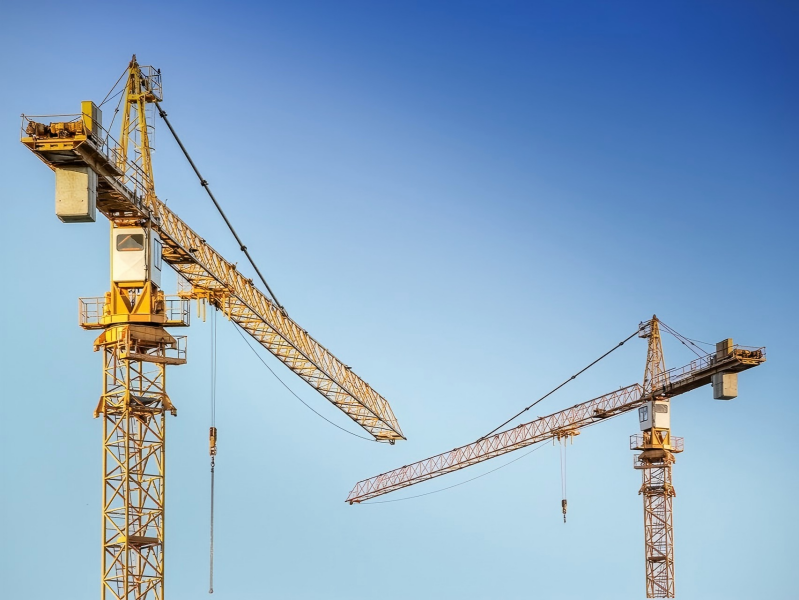
1. Tower Crane
Tower cranes are the most recognizable cranes used in urban construction projects and skyscrapers.
Key Features
- Extremely high lifting height
- Long horizontal jib reach
- Fixed installation
- Excellent lifting precision
Best Applications
- High-rise buildings
- Commercial towers
- Urban construction
Advantages
- Exceptional height capability
- High lifting efficiency
- Large working radius
Limitations
- Expensive installation and dismantling
- Requires foundation support
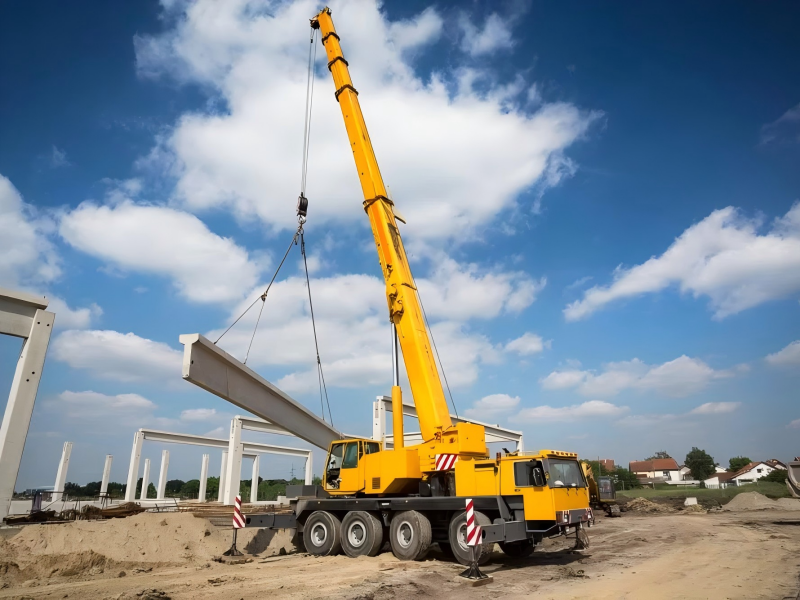
2. Mobile Crane
Mobile cranes are versatile cranes mounted on trucks or wheeled carriers.
Key Features
- Fast transportation
- Hydraulic boom systems
- Quick setup
Best Applications
- General construction
- Temporary lifting operations
- Municipal projects
Advantages
- Highly mobile
- Lower setup cost
- Flexible deployment
Limitations
- Limited lifting height compared to tower cranes
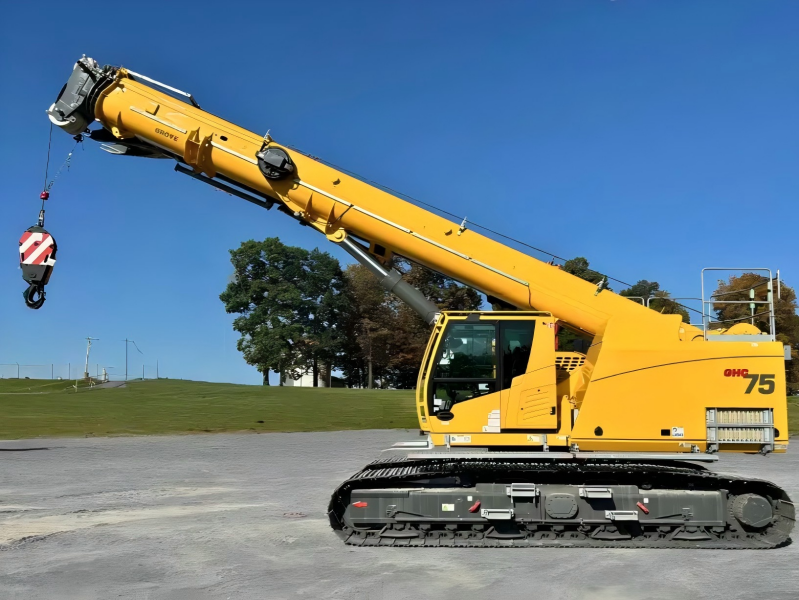
3. Crawler Crane
Crawler cranes use crawler tracks instead of wheels and are designed for heavy-duty lifting.
Key Features
- Track-mounted
- Extremely stable
- Large lifting capacity
Best Applications
- Bridge construction
- Petrochemical plants
- Wind turbine installation
- Heavy industrial projects
Advantages
- Can travel with loads
- Excellent ground stability
- No outriggers required
Limitations
- Difficult transportation
- Requires large jobsite space
Crawler cranes are among the highest-capacity mobile cranes used in construction and infrastructure projects.
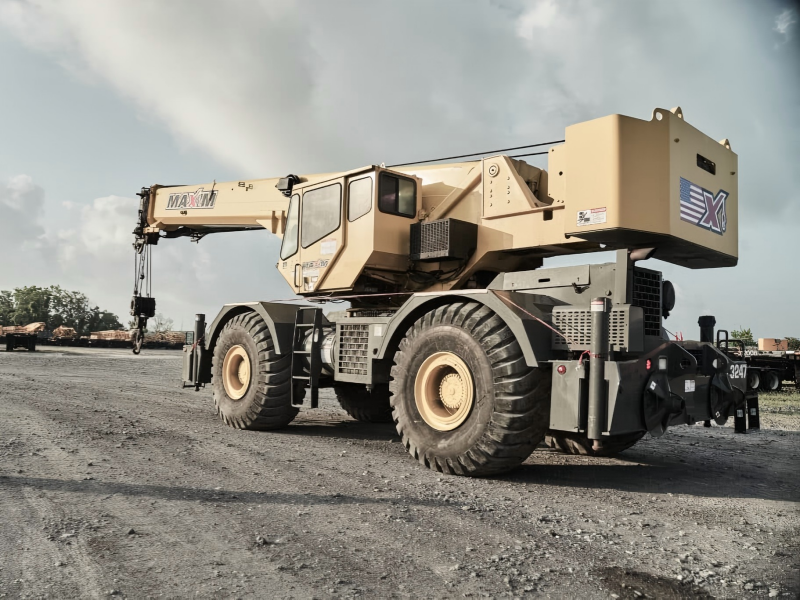
4. Rough Terrain Crane
Rough terrain cranes are specifically designed for off-road and uneven environments.
Key Features
- Large rubber tires
- Four-wheel drive
- Compact frame
Best Applications
- Oilfields
- Mining sites
- Muddy construction areas
Advantages
- Excellent off-road capability
- Strong maneuverability
Limitations
- Limited highway mobility
5. All-Terrain Crane
All-terrain cranes combine highway mobility with off-road performance.
Key Features
- Multi-axle carrier
- Highway and off-road capability
- Telescopic boom
Best Applications
- Large construction projects
- Infrastructure work
- Industrial shutdowns
Advantages
- Excellent mobility
- Faster transportation between sites
- Strong lifting performance
Limitations
- Higher purchase and operating cost
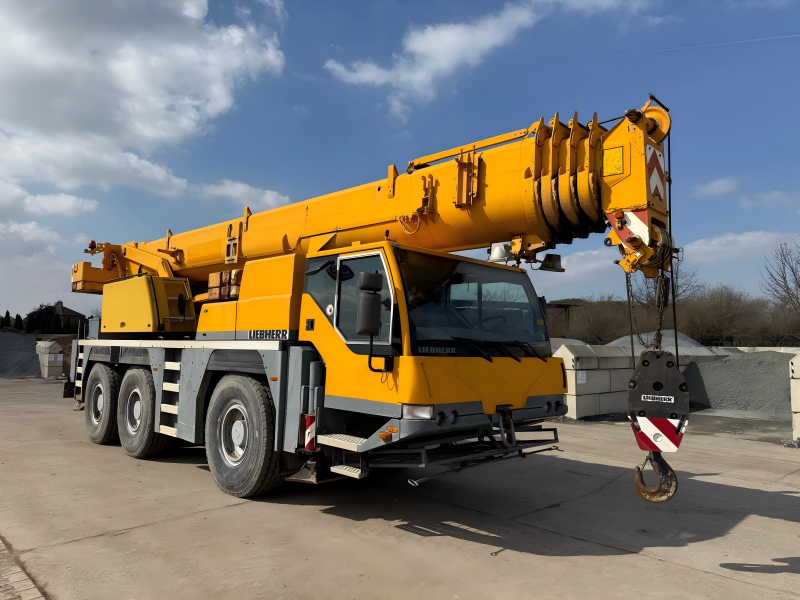
6. Overhead Crane
Overhead cranes, also called bridge cranes, are commonly installed inside industrial buildings.
Key Features
- Operates on runway beams
- Covers rectangular work areas
- Trolley and hoist system
Best Applications
- Manufacturing plants
- Steel fabrication shops
- Warehouses
Advantages
- Efficient indoor lifting
- High lifting precision
- Saves floor space
Limitations
- Fixed operating area
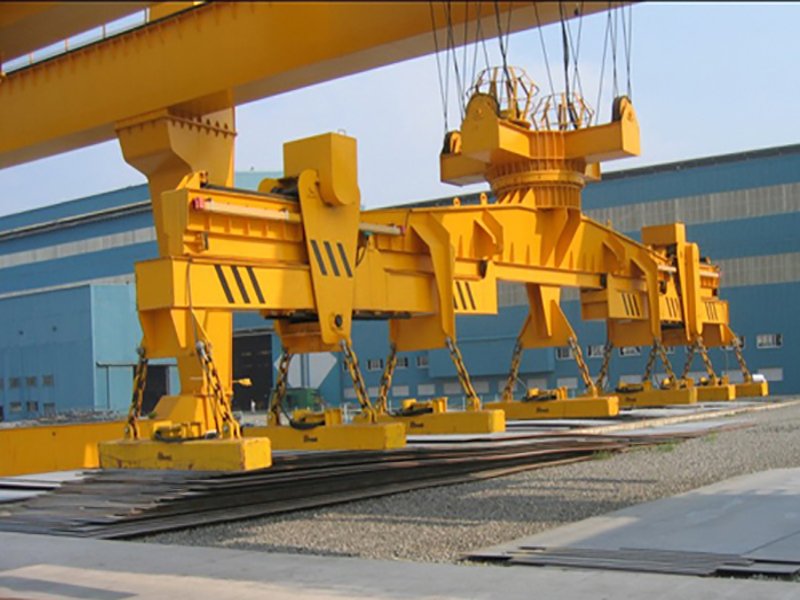
7. Gantry Crane
Gantry cranes are supported by legs running on rails or wheels instead of building structures.
Key Features
- Freestanding structure
- Outdoor operation
- Large span coverage
Best Applications
- Shipyards
- Container terminals
- Outdoor fabrication yards
Advantages
- Does not require building support
- Large lifting coverage
Limitations
- Requires significant operating space
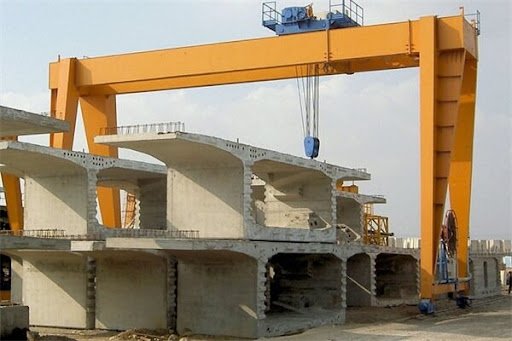
8. Jib Crane
Jib cranes use a rotating boom attached to a pillar or wall.
Common jib crane systems include:
- Freestanding jib cranes
- Foundationless jib cranes
- Mast type jib cranes
- Portable jib cranes
- Wall-mounted jib cranes
- Articulating jib cranes
Best Applications
- Assembly stations
- Machine shops
- Work cells
- Maintenance areas
Advantages
- Compact design
- Cost-effective lifting
- Excellent for repetitive tasks
Limitations
- Smaller coverage area compared to bridge cranes
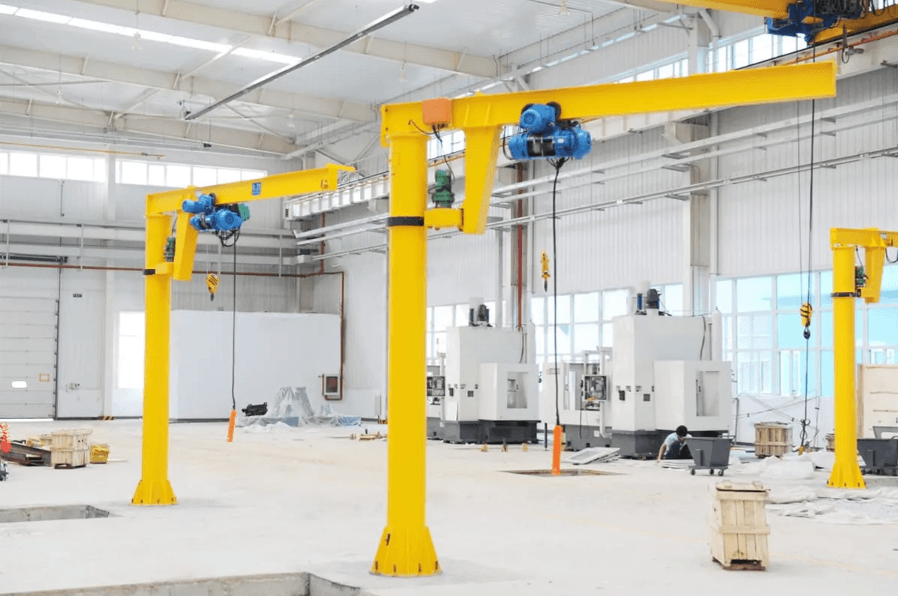
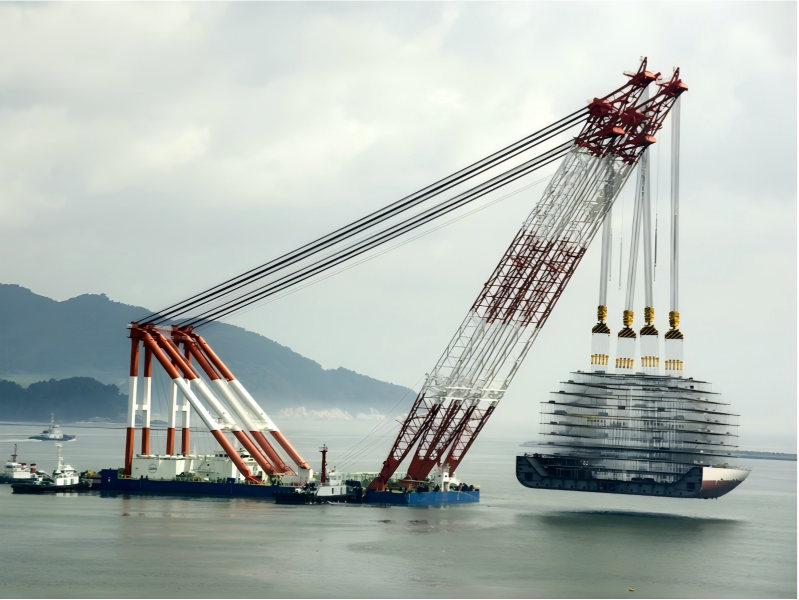
9. Floating Crane
Floating cranes are mounted on barges or ships for marine construction.
Best Applications
- Offshore projects
- Harbor construction
- Bridge installation over water
Advantages
- Marine lifting capability
- Extremely high capacities available
Limitations
- Weather-dependent operations
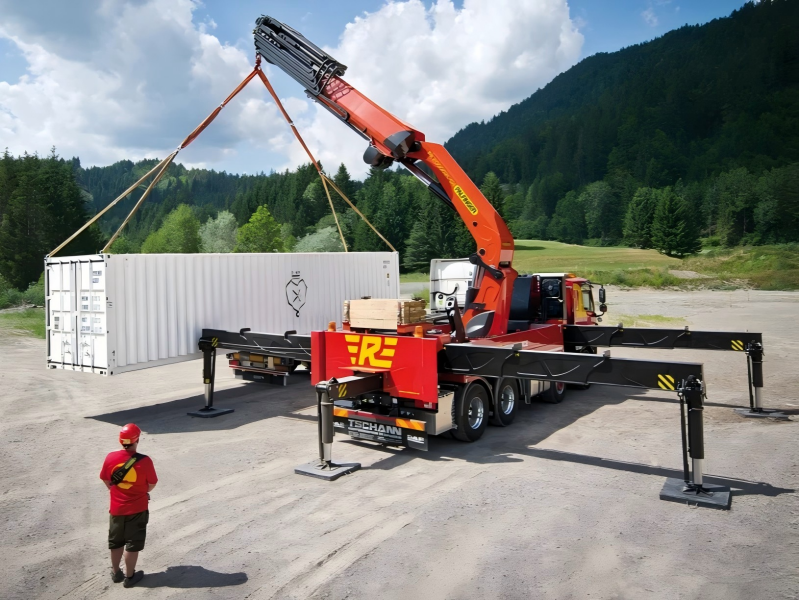
10. Loader Crane (Knuckle Boom Crane)
Loader cranes are hydraulic articulated cranes mounted on trucks.
Key Features
- Foldable articulated boom
- Mounted on transport vehicles
- Compact storage design
Best Applications
- Material delivery
- Utility work
- Loading and unloading operations
Advantages
- Combines transport and lifting
- Space-efficient
Limitations
- Lower lifting height than large cranes
Different Types of Construction Cranes Comparison
| Crane Type | Mobility | Lifting Capacity | Best For | Main Advantage |
| Tower Crane | Fixed | Very High | High-rise buildings | Maximum height |
| Mobile Crane | High | Medium | General construction | Fast setup |
| Crawler Crane | Medium | Extremely High | Heavy lifting | Superior stability |
| Rough Terrain Crane | Medium | Medium | Off-road jobsites | Terrain capability |
| All-Terrain Crane | High | High | Multi-site projects | Versatility |
| Overhead Crane | Fixed | Medium to High | Factories | Indoor efficiency |
| Gantry Crane | Limited | High | Shipyards | Large outdoor coverage |
| Jib Crane | Fixed | Light to Medium | Workstations | Compact lifting |
| Floating Crane | Marine | Extremely High | Offshore work | Water-based lifting |
| Loader Crane | High | Light to Medium | Delivery operations | Transport integration |
How to Choose the Right Crane
The best crane depends on your application and site conditions.
Choose a Tower Crane if:
- You are building high-rise structures
- Maximum hook height is required
Choose a Crawler Crane if:
- Heavy lifting is required
Ground stability is critical
Choose an Overhead Crane if:
- You operate inside a factory
Repetitive indoor lifting is needed
Choose a Rough Terrain Crane if:
- The site is muddy or uneven
- Off-road mobility is essential
Choose a Jib Crane if:
- You need localized workstation lifting
- Space efficiency matters
Construction cranes are specialized lifting systems designed for specific environments and applications. From towering skyscrapers to compact factory workstations, selecting the correct crane improves productivity, safety, and lifting efficiency.
Modern construction projects often use multiple crane types together, combining mobility, lifting capacity, and precision handling to meet complex operational demands.
FAQs About Construction cranes
Mobile cranes and tower cranes are the most commonly used construction cranes due to their flexibility and lifting capabilities.
- Tower cranes are primarily used for skyscraper and high-rise construction projects.
Crawler cranes use tracks and provide better stability for heavy lifting, while mobile cranes use wheels and offer faster transportation.
An overhead crane is supported by building structures, while a gantry crane is supported by its own legs.
Overhead cranes and jib cranes are the most common choices for industrial manufacturing facilities.