
Overhead Crane Load Testing

Overhead crane load testing is the process of applying a controlled load to a crane to verify its structural integrity, rated lifting capacity, and operational safety. This test ensures that the crane can safely handle its designed load under actual working conditions.

A proper overhead crane load testing procedure evaluates not only lifting performance but also braking efficiency, structural behavior, and system stability.

Purpose of Overhead Crane Load Testing

PurposeDescription
Capacity VerificationConfirm crane can lift rated load
Structural IntegrityEnsure no deformation or failure
Safety AssuranceDetect hidden defects
ComplianceMeet OSHA / ISO requirements
Performance ValidationCheck mechanical & electrical systems

Types of Overhead Crane Load Testing

Test TypeDescriptionTypical Load
Static Load TestLoad is lifted and held without movement100–125%
Dynamic Load TestLoad is moved during operation100%
Proof Load TestLoad exceeds rated capacity125%
Functional TestNo load or partial load operation<100%

Detailed Load Testing Procedure

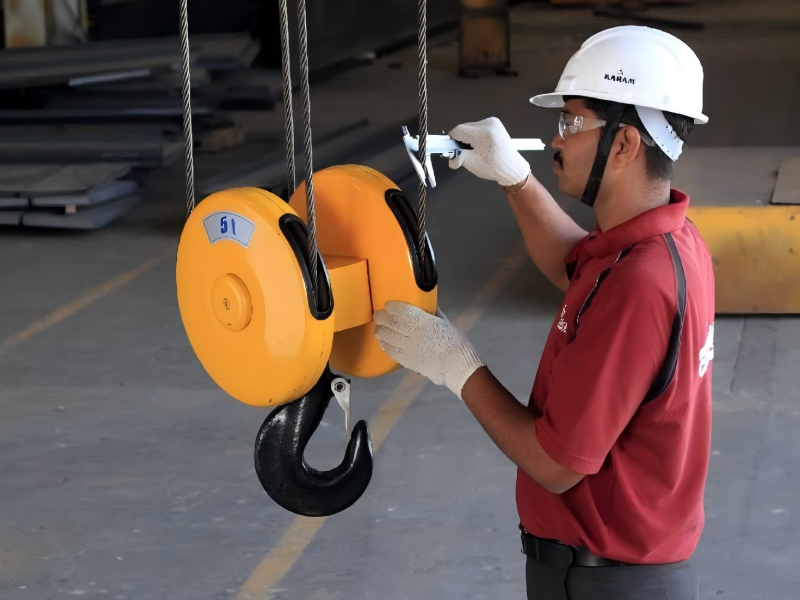
Step 1: Pre-Test Inspection

Inspection ItemCheck Focus
StructureNo cracks or deformation
Wire RopeNo excessive wear
HookNo deformation
BrakeProper holding
Limit SwitchFunctional
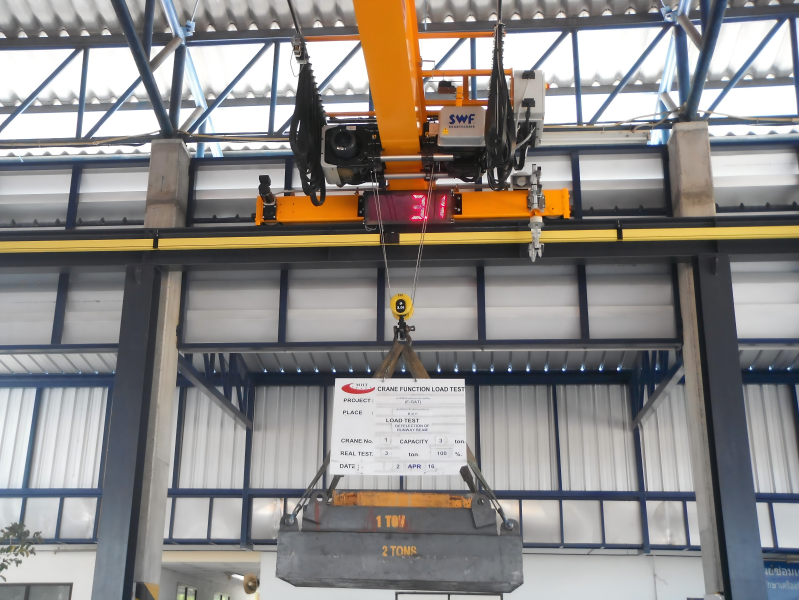
Overhead Crane Load Testing Pre-Test Inspection

Step 2: Test Load Preparation

ParameterRequirement
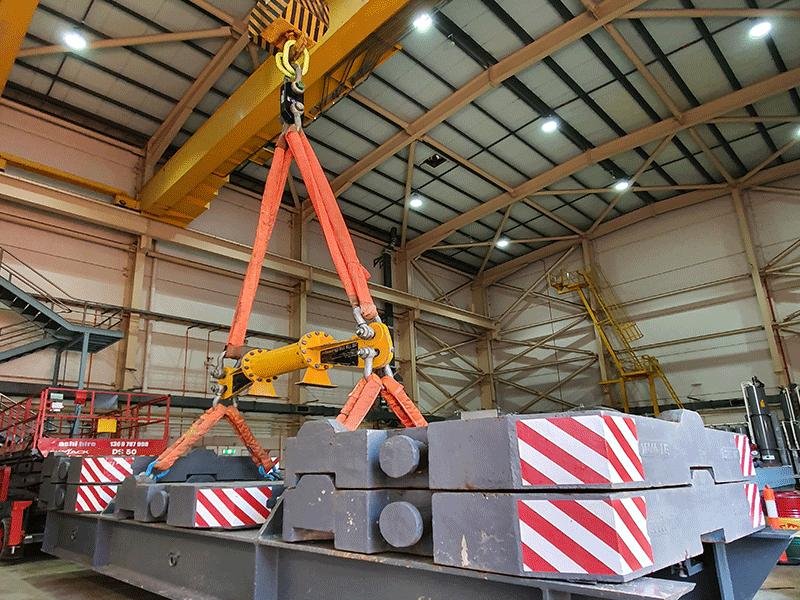
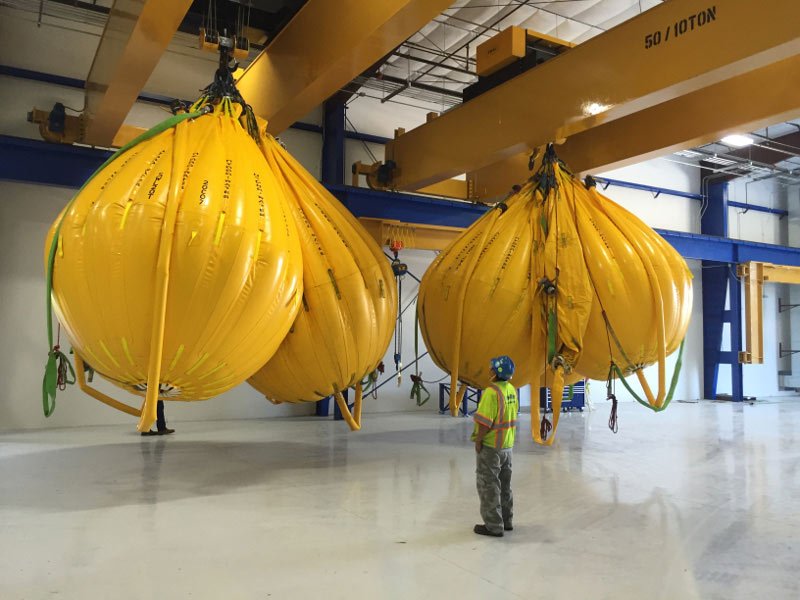
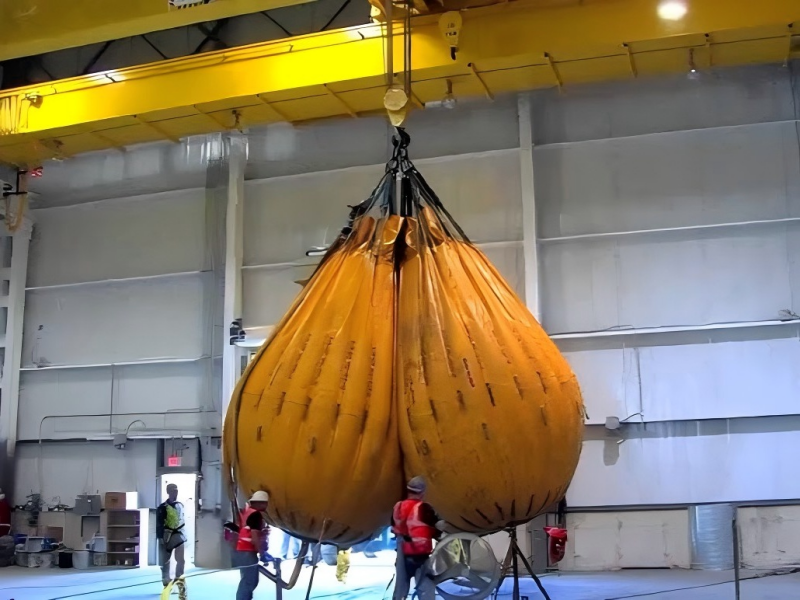
Load TypeSteel weights / water bags
Load Value100–125% rated capacity
Load DistributionEvenly applied
Safety AreaRestricted access
Overhead Crane Test Load Preparation

Step 3: Static Load Test

ActionRequirement
Lift loadSlightly above ground
Hold timeTypically 10–30 minutes
ObservationNo abnormal deformation
Brake checkNo load slipping
Overhead Crane Static Load Test

Step 4: Dynamic Load Test

MovementCheck Focus
HoistingSmooth lifting
LoweringControlled descent
TravelingNo vibration
BrakingImmediate stop
Overhead Crane Load Testing

Step 5: Post-Test Evaluation

ItemRequirement
StructureNo permanent deformation
Mechanical partsNo damage
Electrical systemNormal
Safety devicesFully functional
Testing & Commissioning

Common Problems Identified During Load Testing

ProblemCauseImpact
Excessive deflectionWeak structureSafety risk
Brake slippingWorn brakeLoad drop
VibrationMisalignmentEquipment damage
Motor overloadElectrical issueSystem failure

Load Testing vs Inspection

AspectLoad TestingInspection
PurposeVerify load capacityIdentify defects
MethodApply loadVisual/functional
FrequencyOccasionalRegular

Load Testing Checklist

ItemStatus
Structure OK✔ / ✘
Wire rope OK✔ / ✘
Hook OK✔ / ✘
Brake OK✔ / ✘
Load test passed✔ / ✘

Overhead crane load testing ensures that a crane can safely lift and operate under its rated capacity by verifying structure, performance, and safety systems.

FAQs About Overhead Crane Load Testing

It is a process to verify that a crane can safely lift its rated capacity.

Typically 100%–125% of rated load.

After installation, major repair, or modification.

Yes, in most industrial regulations.

It must be repaired and retested before use.

Table of Contents

Related Resources

Overhead Crane Load Testing

Overhead crane load testing is the process of applying a controlled load to a crane to verify its structural integrity, rated lifting capacity, and operational safety. This test ensures that the crane can safely handle its designed load under actual working conditions.

Read More »
Overhead Crane Inspection
What is Overhead Crane Inspection?

Overhead crane inspection is a systematic process used to evaluate the safety, condition, and performance of a crane’s structural, mechanical, electrical, and safety components. A proper overhead crane inspection helps identify defects, prevent failures, and ensure compliance with standards such as OSHA and ISO 9927.

Read More »
Scroll to Top

Contact Us Now