Overhead crane installation is the process of assembling, aligning, and commissioning a crane system on a runway structure. It ensures the crane operates safely, moves smoothly, and meets required engineering and safety standards.
Definition of Overhead Crane Installation
Overhead crane installation is the complete engineering process of assembling, aligning, integrating, and commissioning a crane system onto a supporting structure (runway beams and rails). A proper overhead crane installation ensures that the crane operates smoothly, safely, and within allowable tolerances under all working conditions.
Unlike simple equipment setup, crane installation involves structural verification, precision alignment, mechanical assembly, electrical integration, and functional testing.
System Overview of Crane Installation
| System | Scope | Key Objective |
| Civil / Structure | Runway beam, column | Load bearing capacity |
| Mechanical | Girder, wheels, hoist | Movement and lifting |
| Electrical | Motor, control, cables | Power and control |
| Safety | Brake, limit switch | Accident prevention |
| Commissioning | Testing and validation | Operational readiness |
Pre-Installation Requirements
Before starting overhead crane installation, the site must meet several engineering conditions.
Site Readiness Checklist
| Requirement | Description | Risk if Ignored |
| Runway beam strength | Must support static + dynamic load | Structural failure |
| Rail alignment | Straight and level | Crane skewing |
| Foundation stability | No settlement | Misalignment |
| Power supply | Correct voltage and capacity | Electrical faults |
| Clearance | Adequate headroom and side space | Collision risk |
Detailed Overhead Crane Installation Process
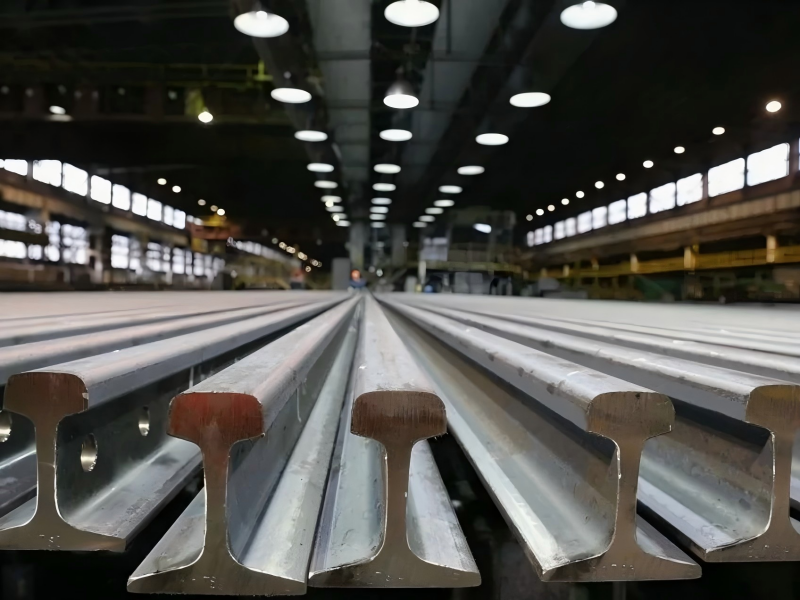
Step 1: Runway Beam & Rail Preparation
Key Activities
| Task | Description |
| Beam inspection | Check straightness and elevation |
| Rail placement | Position rails on beam |
| Rail fastening | Use clips or welding |
| Alignment check | Ensure parallel rails |
Engineering Focus
- Rail parallelism
- Elevation consistency
- Joint gaps
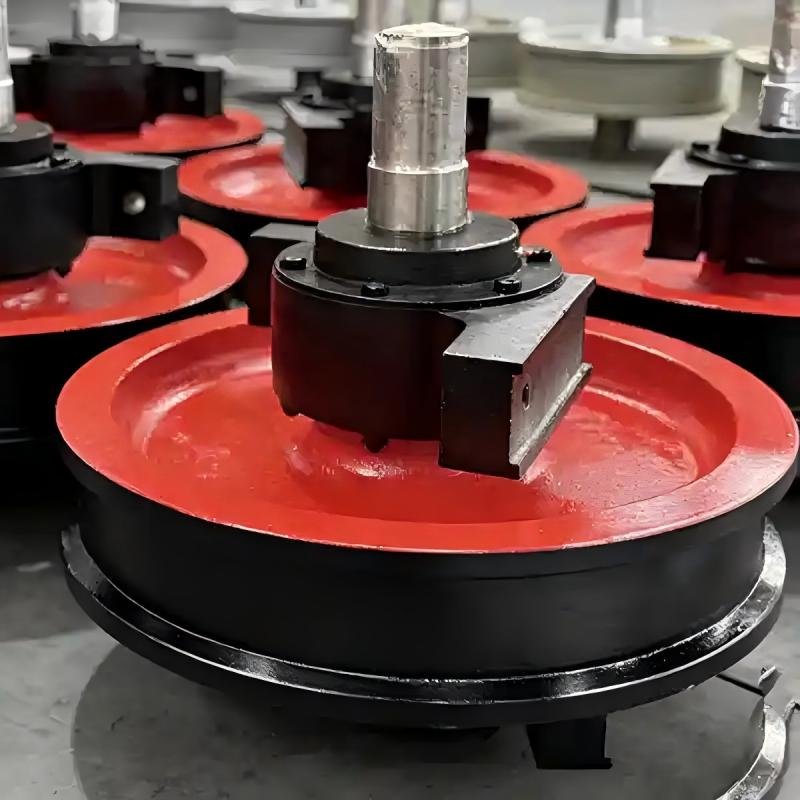
Step 2: End Carriage & Wheel Installation
Key Activities
| Task | Description |
| Wheel mounting | Install wheel blocks |
| Bearing check | Ensure smooth rotation |
| Alignment | Wheels parallel to rail |
| Lubrication | Apply grease |
Engineering Focus
- Avoid wheel misalignment
- Ensure uniform load distribution
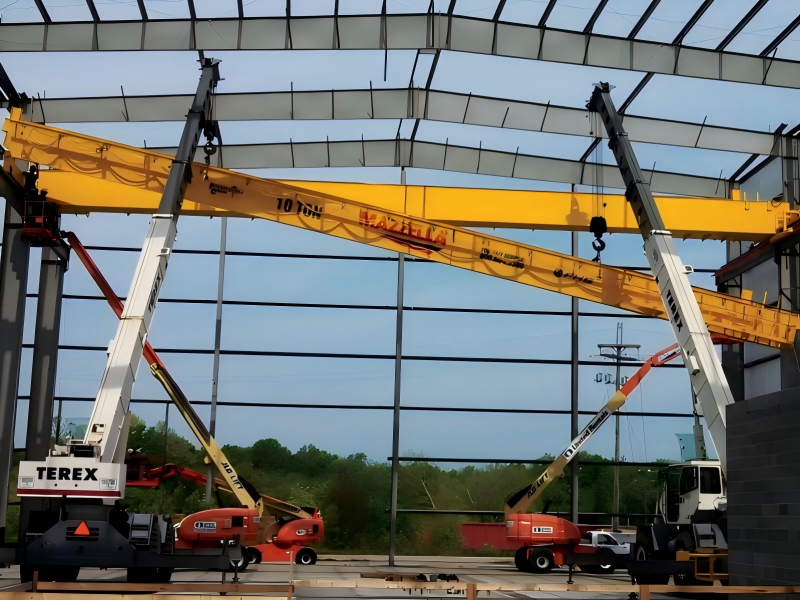
Step 3: Main Girder Installation
Key Activities
| Task | Description |
| Lifting girder | Use mobile crane |
| Positioning | Place on end carriage |
| Bolting / welding | Secure connection |
| Leveling | Adjust horizontal level |
Engineering Focus
- Safe lifting method
- Load distribution
- Structural stability
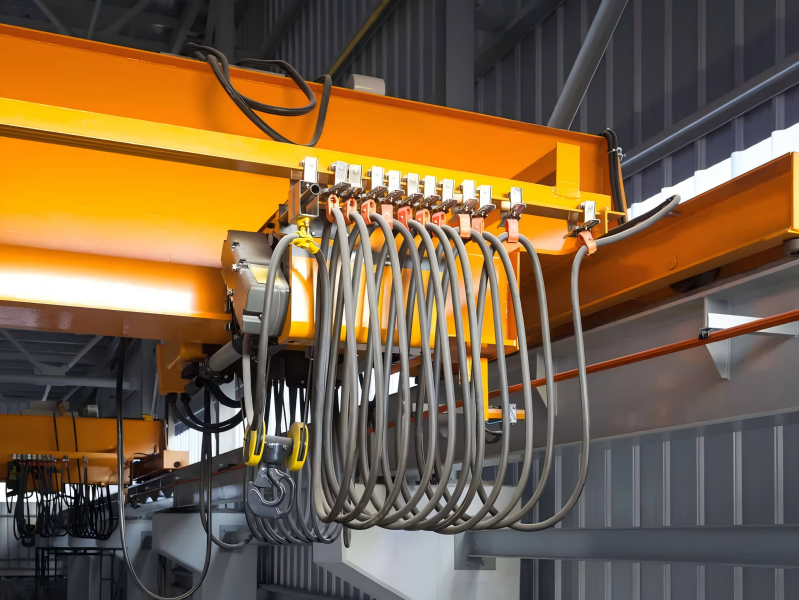
Step 4: Electrical System Installation
Key Activities
| Task | Description |
| Power connection | Main power supply |
| Control wiring | Panel and control system |
| Cable system | Festoon or busbar |
| Grounding | Electrical safety |
Engineering Focus
- Proper insulation
- Reliable signal transmission
- Safe grounding
Step 5: Testing & Commissioning
Testing Procedures
| Test Type | Purpose |
| No-load test | Verify movement |
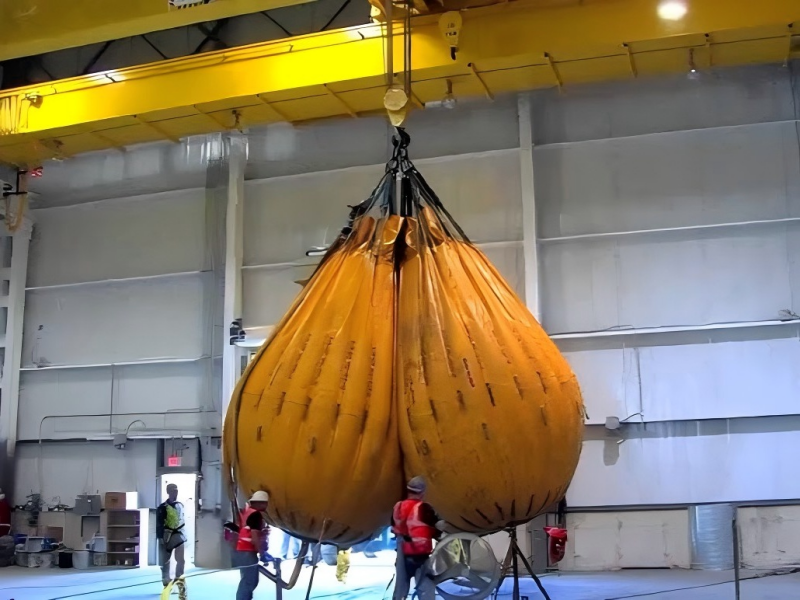
| Load test | Verify lifting capacity |
| Brake test | Check stopping ability |
| Limit test | Verify safety systems |
Installation Tolerances (Critical Engineering Data)
| Parameter | Typical Tolerance |
| Rail parallelism | ±1–2 mm |
| Span deviation | ±3–5 mm |
| Rail elevation difference | ≤2 mm |
| Wheel alignment | Parallel within tolerance |
Common Installation Errors
| Error | Cause | Impact |
| Rail misalignment | Poor measurement | Crane skewing |
| Improper leveling | Installation error | Vibration |
| Loose bolts | Improper torque | Structural risk |
| Wiring errors | Incorrect connection | Electrical failure |
Safety Considerations During Installation
| Safety Aspect | Requirement |
| Lifting operation | Certified lifting equipment |
| Personnel safety | PPE required |
| Lockout/tagout | Electrical isolation |
| Work area | Restricted access |
Installation vs Commissioning
| Aspect | Installation | Commissioning |
| Nature | Physical assembly | Functional testing |
| Focus | Mechanical setup | Performance validation |
| Output | Installed crane | Ready-to-use system |
Installation Workflow Summary
| Phase | Activities |
| Preparation | Site readiness |
| Mechanical | Structure + girder |
| Electrical | Wiring + control |
| Testing | Functional verification |
| Final | Handover |
Overhead crane installation is a precision engineering process involving structural preparation, mechanical assembly, electrical integration, and system commissioning.
FAQs About Overhead Crane Installation
Rail alignment and structural integrity are the most critical factors affecting performance.
Depending on crane size, installation may take from a few days to several weeks.
Poor alignment causes uneven load distribution, leading to wear, vibration, and failure.
Yes, load testing and safety verification are mandatory before operation.
Yes, even small installation errors can lead to major operational problems over time.