In lifting systems, especially in Overhead Crane operations, shackles play a critical role in connecting hooks, slings, and loads.
Whether in steel structure installation, equipment handling, or heavy industries such as oil & gas and manufacturing, shackles directly impact the safety, stability, and efficiency of lifting operations. Improper shackle selection can lead to load imbalance, connection failure, or even serious accidents.
Therefore, understanding the different types of shackles and their applications is essential for engineers, procurement professionals, and rigging operators.
In this guide, we will explore various types of shackles and explain how to select the right one for overhead crane and general lifting applications.
What Is a Shackle?
A shackle is a U-shaped metal connector secured with a pin or bolt, commonly used to connect lifting slings, chains, or ropes.
Shackles are widely used in industries such as:
- Oil & Gas
- Construction
- Marine & Offshore
- Mining
- Heavy Lifting
Main Types of Shackles
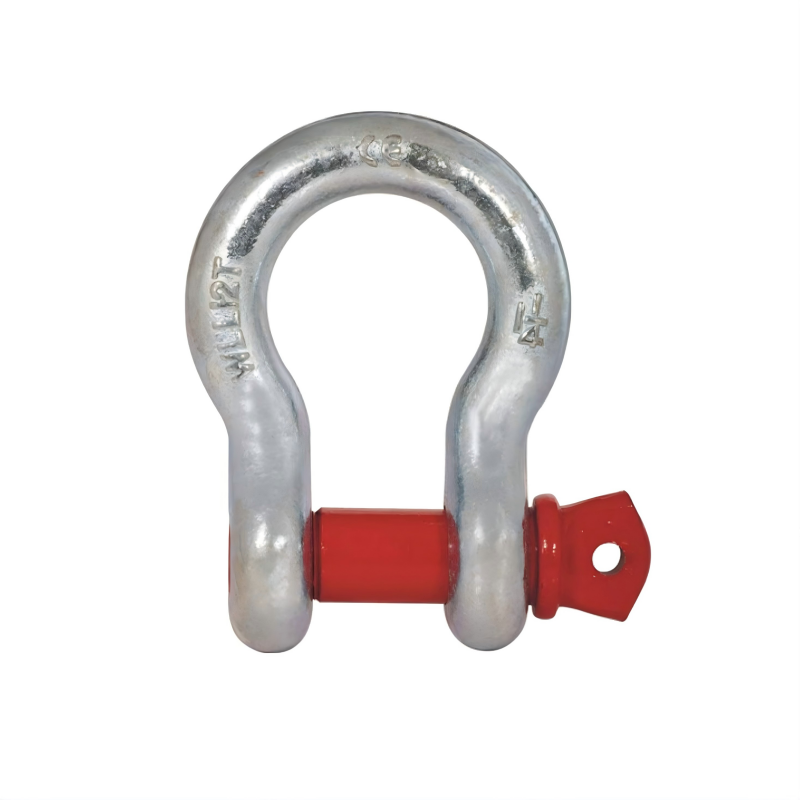
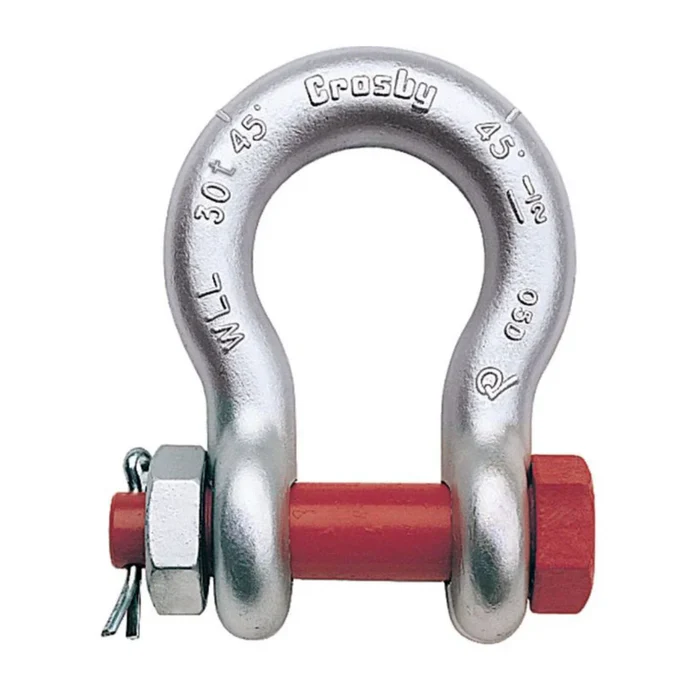
Anchor Shackles (Bow Shackles)
Anchor shackles have a rounded bow shape, allowing them to handle loads from multiple directions.
Key Features:
- Wide body design
- Suitable for side loading
- Ideal for multi-leg slings
Common Uses:
- Crane lifting
- Offshore rigging
- General-purpose lifting
Chain Shackles (D Shackles)
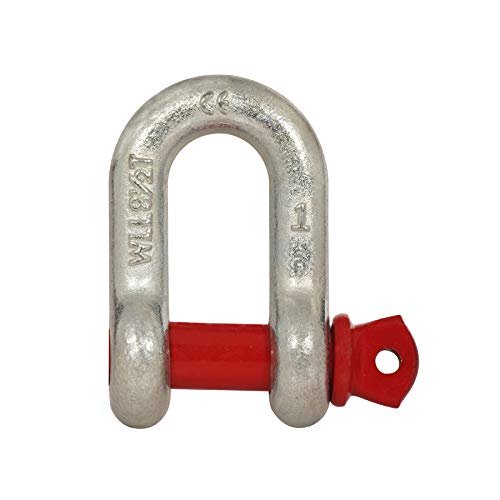
Chain shackles feature a narrow D shape, designed for straight-line loads.
Key Features:
- High strength in direct pull
- Compact design
Limitations:
- Not suitable for side loading
Common Uses:
- Straight lifting applications
- Chain connections
Screw Pin Shackles
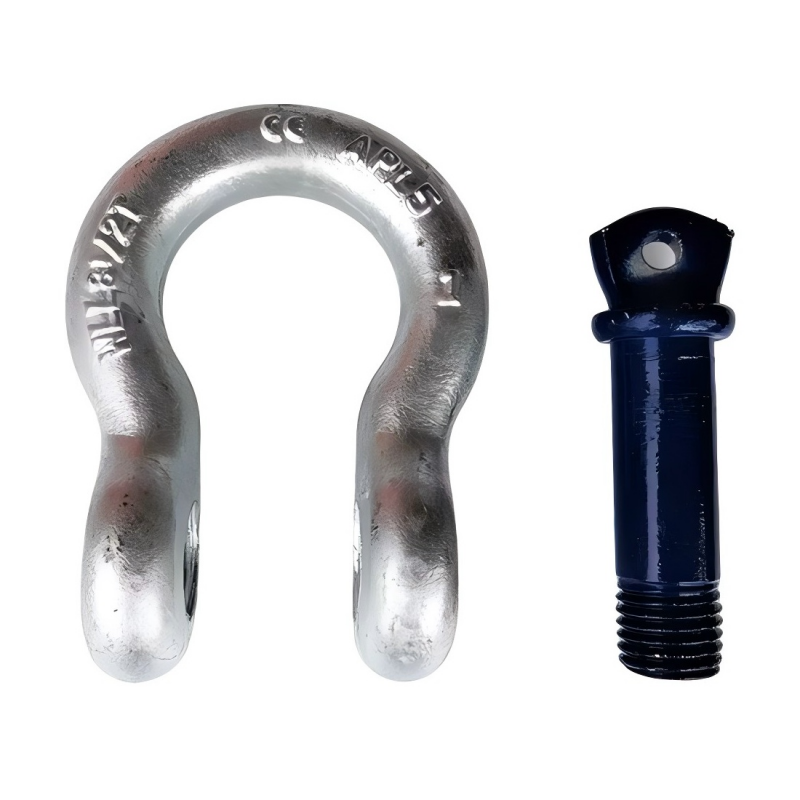
Screw pin shackles have a threaded pin that can be easily removed.
Advantages:
- Quick installation and removal
- Convenient for temporary setups
Disadvantages:
- May loosen under vibration
Bolt-Type Shackles (Safety Shackles)
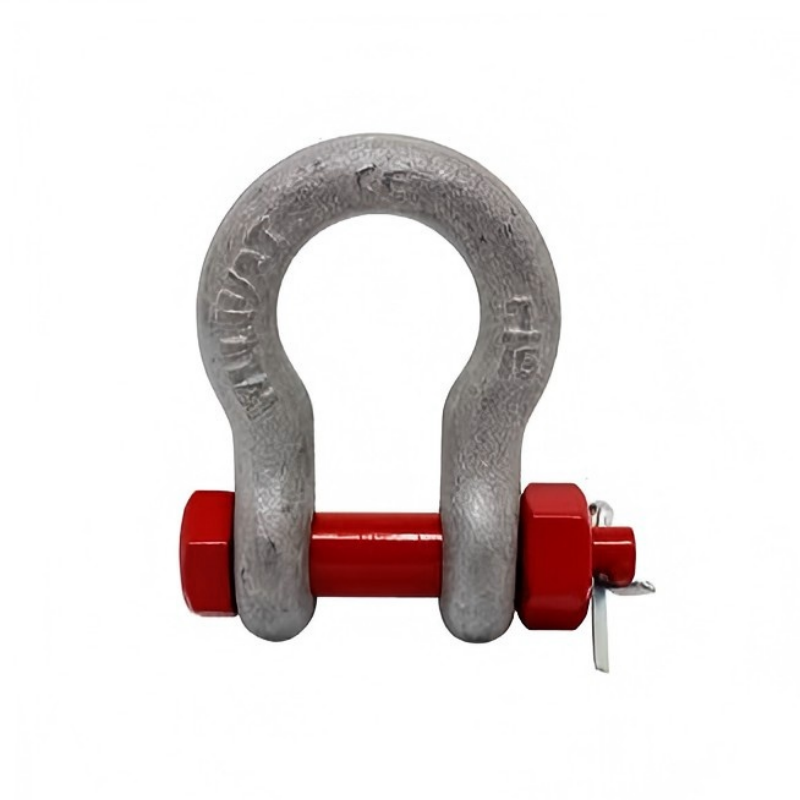
Bolt-type shackles use a bolt, nut, and cotter pin for maximum security.
Advantages:
- Highly secure connection
- Ideal for critical lifting
Best For:
- Permanent installations
- Vibration environments
Specialty Shackles
Specialty shackles are designed for specific applications.
Examples include:
- Wide body shackles
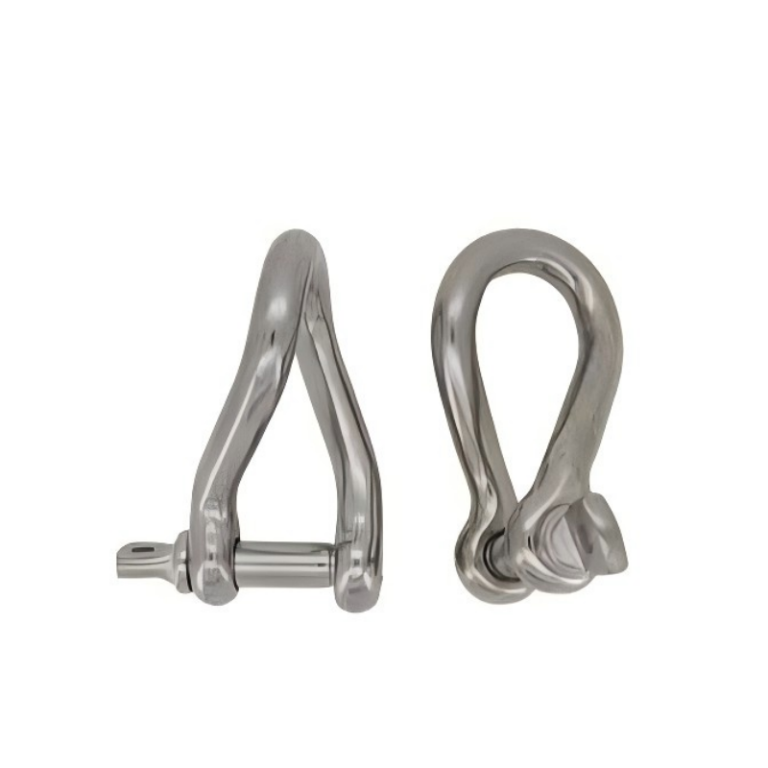
- Twist shackles
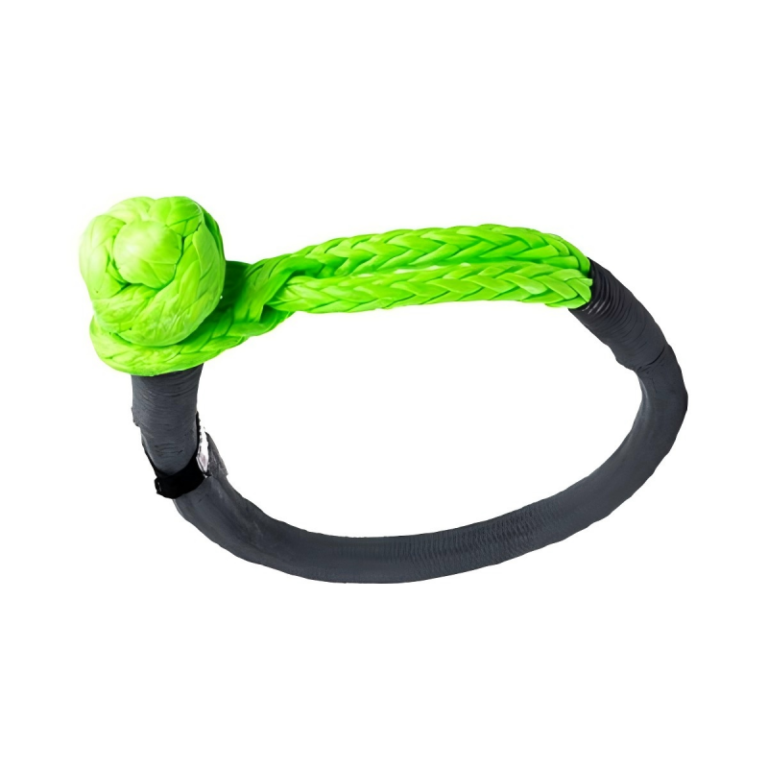
- Synthetic (soft) shackles
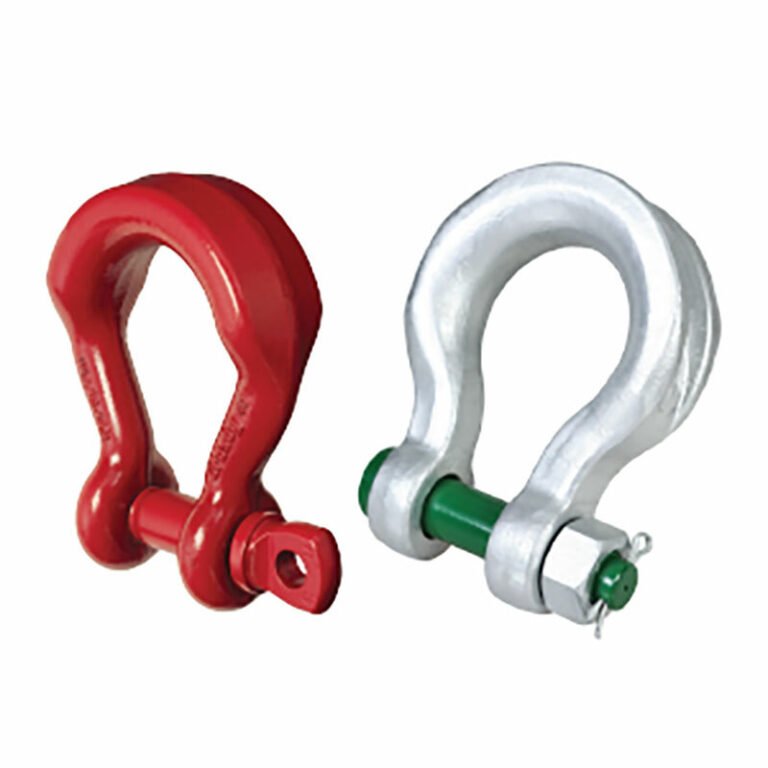
- High-capacity alloy shackles
How to Choose the Right Shackle
When selecting a shackle, consider:
1. Load Direction
- Multi-direction → Anchor shackle
- Straight pull → Chain shackle
2. Load Capacity (WLL)
- Always choose a shackle with a Working Load Limit (WLL) higher than your required load.
3. Environment
- Corrosive → Stainless steel
- Offshore → Galvanized or alloy steel
4. Connection Type
- Temporary → Screw pin
- Permanent → Bolt-type
Common Mistakes to Avoid
- Using D shackles for side loading
- Overloading beyond WLL
- Improper pin engagement
- Mixing incompatible lifting components
Conclusion
Understanding the different types of shackles is essential for safe and efficient lifting operations. Whether you need anchor shackles for flexibility or chain shackles for straight pulls, selecting the right type ensures optimal performance and safety.
FAQs About Shackles
In Overhead Crane applications:
- Anchor shackles are ideal for multi-directional loads
- Chain shackles are suitable for straight-line lifting
- Anchor shackles handle side loading and multiple sling connections
- Chain shackles are designed for straight-line loads only
WLL (Working Load Limit) is the maximum load a shackle can safely handle under normal conditions.
Yes, load testing and safety verification are mandatory before operation.
- Anchor shackles: limited side loading allowed
- Chain shackles: not recommended
Consider:
- Load weight
- Sling size
- Lifting angle
- Safety factor
- Overloading
- Side loading
- Improper pin installation
- Corrosion and wear
- Stainless steel: corrosion resistance
- Alloy steel: higher strength