In industrial lifting, rigging, and vehicle recovery operations, selecting the correct equipment is critical for both safety and performance. Two commonly confused tools are tow straps and lifting slings.
Although they may appear similar in structure, they are designed for completely different engineering purposes. Using the wrong equipment can lead to serious safety risks, equipment failure, or fatal accidents.
This guide provides a detailed comparison of tow straps vs lifting slings, including design differences, load capacity, safety standards, and industrial applications.
What Are Tow Straps?
A tow strap is a flexible synthetic strap used primarily for vehicle towing and recovery operations. It is typically made from polyester or nylon webbing and designed to handle dynamic pulling loads.
Key features:
- High tensile strength for pulling
- Elasticity for shock absorption
- Lightweight and portable
- Equipped with loops or hooks
Common Uses for Tow Straps
Tow straps are widely used in:
- Vehicle recovery (cars, trucks, SUVs)
- Off-road towing operations
- Emergency roadside assistance
- Light-duty horizontal pulling applications
Materials and Safety Considerations
Tow straps are generally made of:
- Polyester (low stretch, high strength)
- Nylon (higher elasticity for shock loads)
⚠️ Important safety note:
Tow straps are not designed for lifting vertical loads. Improper use in lifting applications may cause strap failure or dangerous recoil effects.
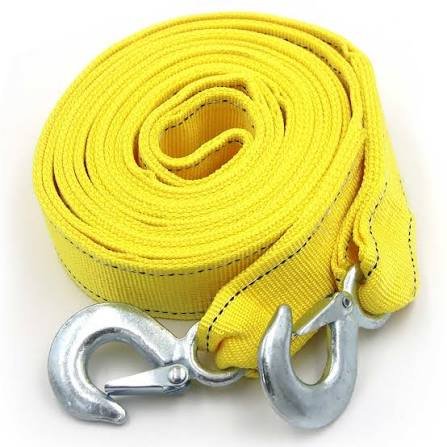
What Are Tow Straps?
A lifting sling is an engineered rigging device designed for vertical lifting operations using cranes, hoists, or lifting equipment.
Types include:
- Webbing slings
- Round slings
- Wire rope slings
- Chain slings
Industrial Lifting Sling Overview
Lifting slings are widely used in:
- Construction lifting operations
- Oil & gas rigging systems
- Offshore platform lifting
- Heavy machinery installation
- Steel structure handling
They are designed with certified Working Load Limits (WLL) and strict safety factors.
Common Uses for Lifting Slings
- Crane lifting operations
- Pipe and structural steel lifting
- Equipment installation
- Industrial manufacturing handling systems
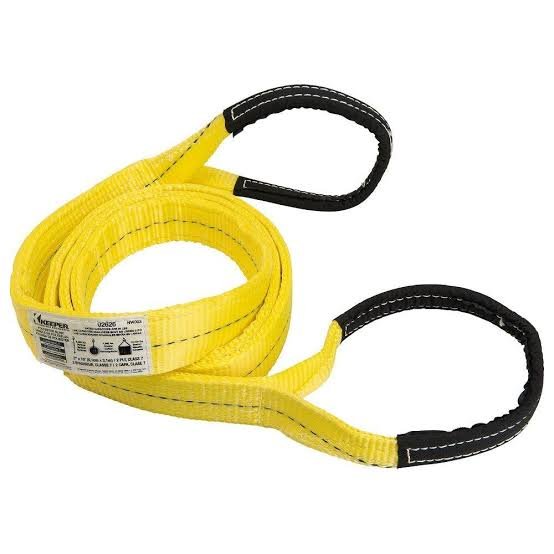
Tow Strap vs Lifting Sling: Key Differences
Design and Construction
| Feature | Tow Strap | Lifting Sling |
| Load direction | Horizontal pulling | Vertical lifting |
| Design purpose | Vehicle recovery | Industrial lifting |
| Certification | Usually non-certified for lifting | Certified (EN/ASME/ISO) |
Strength and Load Capacity
- Tow straps handle dynamic pulling loads
- Lifting slings handle controlled static lifting loads
Lifting slings include:
- Defined Working Load Limit (WLL)
- Safety factor (typically 5:1 to 7:1 depending on type)
Safety and Certification Standards
Lifting slings are manufactured according to strict international standards:
- EN 1492-1 / EN 1492-2 (Europe)
- ASME B30.9 (USA)
- ISO 4878 (Global rigging standard)
Tow straps generally do not meet overhead lifting certification requirements.
Application Scenarios
| Application | Recommended Equipment |
| Vehicle recovery | Tow strap |
| Crane lifting | Lifting sling |
| Offshore rigging | Lifting sling |
| Emergency towing | Tow strap |
Why Using the Wrong Equipment Is Dangerous
Incorrect use of rigging equipment can result in:
- Sudden strap failure
- Snap-back injuries
- Load dropping accidents
- Structural damage
- Fatal industrial incidents
⚠️ Tow straps should never be used for overhead lifting operations.
How to Choose Between Tow Straps and Lifting Slings
Assess Your Application
Ask three key questions:
- Is the load being lifted vertically or pulled horizontally?
- Is this a crane operation or vehicle recovery?
- Is certified lifting equipment required?
Selection Guide
- Choose tow straps for:
- Vehicle towing
- Horizontal pulling
- Choose lifting slings for:
- Crane lifting
- Industrial rigging
- Heavy load handling
Safety and Maintenance Tips
- Inspect equipment before each use
- Avoid sharp edges and abrasion
- Store in dry and UV-protected environments
- Replace damaged slings immediately
Industrial Standards Reference
Key standards for lifting slings:
- EN 1492 (Europe sling standard)
- ASME B30.9 (US rigging safety standard)
- ISO 4878 (international lifting standard)
These standards ensure:
- Load rating accuracy
- Material safety
- Traceability and certification
Conclusion
Although tow straps and lifting slings may look similar, they serve completely different engineering purposes.
Key takeaway:
Tow straps are designed for horizontal pulling, while lifting slings are engineered for certified vertical lifting operations.
Choosing the correct equipment is essential for safety, compliance, and operational efficiency in industrial environments.
FAQs About Tow Strap vs Lifting Sling
No. Tow straps are not certified for overhead lifting and should only be used for towing or pulling applications.
Tow straps are designed for horizontal pulling, while lifting slings are engineered for vertical lifting with certified load ratings.
Common standards include EN 1492, ASME B30.9, and ISO 4878.
Only lifting slings are safe and certified for crane lifting operations.
Select based on load direction: towing = tow strap, lifting = lifting sling.