The Ultimate Guide to Types of Chain Binders and Their Uses

When transporting heavy equipment, construction machinery, steel products, timber, or industrial cargo, proper load securement is essential for both safety and legal compliance. Chains alone cannot provide the necessary tension to keep loads firmly in place. This is where chain binders become indispensable.

Chain binders, also known as load binders, are mechanical tensioning devices designed to tighten transport chains, preventing cargo from shifting during transportation. Choosing the correct type of chain binder improves workplace safety, reduces equipment damage, and ensures compliance with transportation regulations.

This guide explains the major types of chain binders, their applications, advantages, limitations, and how to select the right binder for your needs.
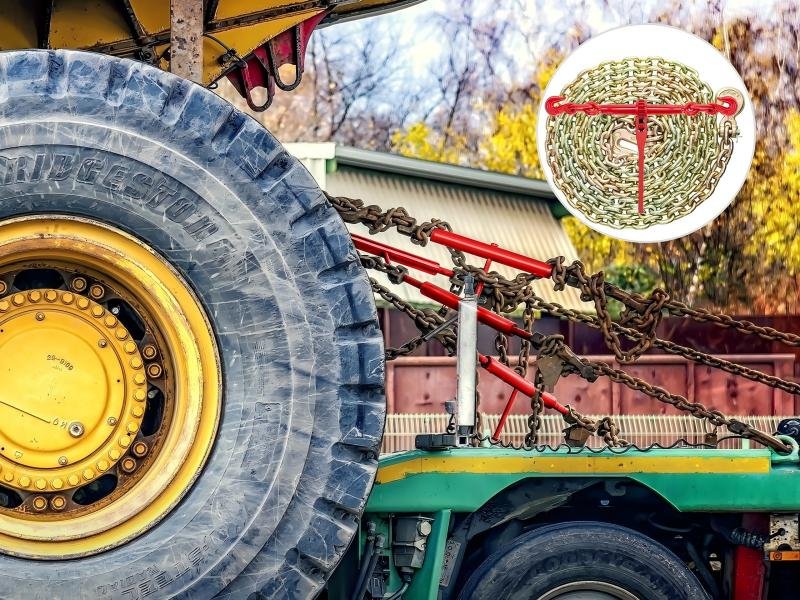
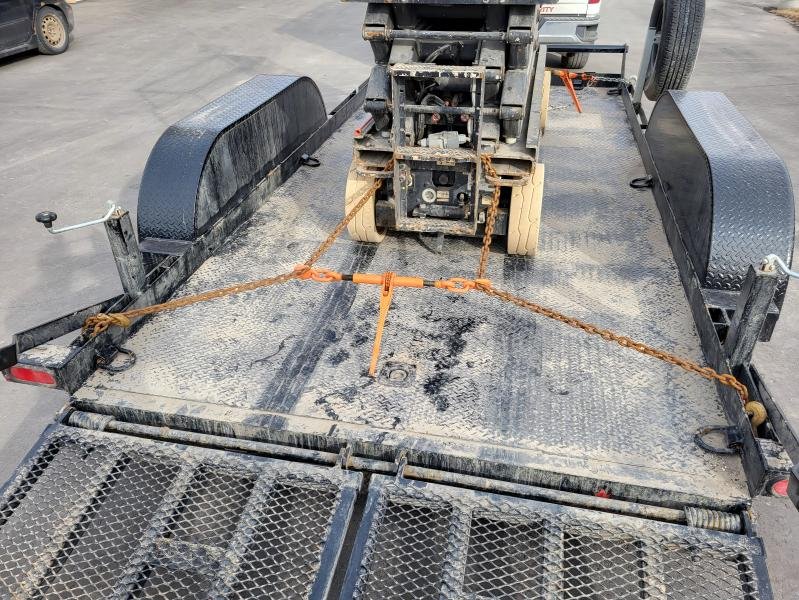
Chain Binders for Trucking

What Is a Chain Binder?

A chain binder is a load securement device used together with transport chains to apply and maintain tension across a cargo load.

After a transport chain is wrapped around the load and attached to anchor points, the chain binder tightens the chain until the load is securely restrained.

Typical applications include:

  • Flatbed trucking
  • Construction equipment transport
  • Agricultural machinery
  • Steel coils and pipe
  • Heavy industrial machinery
  • Shipping containers
  • Oil & gas equipment

Most chain binders are manufactured from forged alloy steel for high strength and durability.

Why Chain Binders Matter

Without adequate chain tension, cargo may:

  • Shift during acceleration
  • Move while braking
  • Roll during cornering
  • Damage nearby cargo
  • Cause vehicle instability
  • Lead to serious road accidents

Properly selected chain binders provide:

  • Secure load restraint
  • Consistent chain tension
  • Compliance with DOT and FMCSA regulations
  • Reduced cargo damage
  • Increased operator safety
How to Use Chain Binders for Trucking

Types of Chain Binders

Although many load tensioning devices exist, two chain binders dominate heavy-duty cargo transport:

  • Lever Load Binder
  • Ratchet Load Binder

Each serves different operational needs.

Lever Load Binder

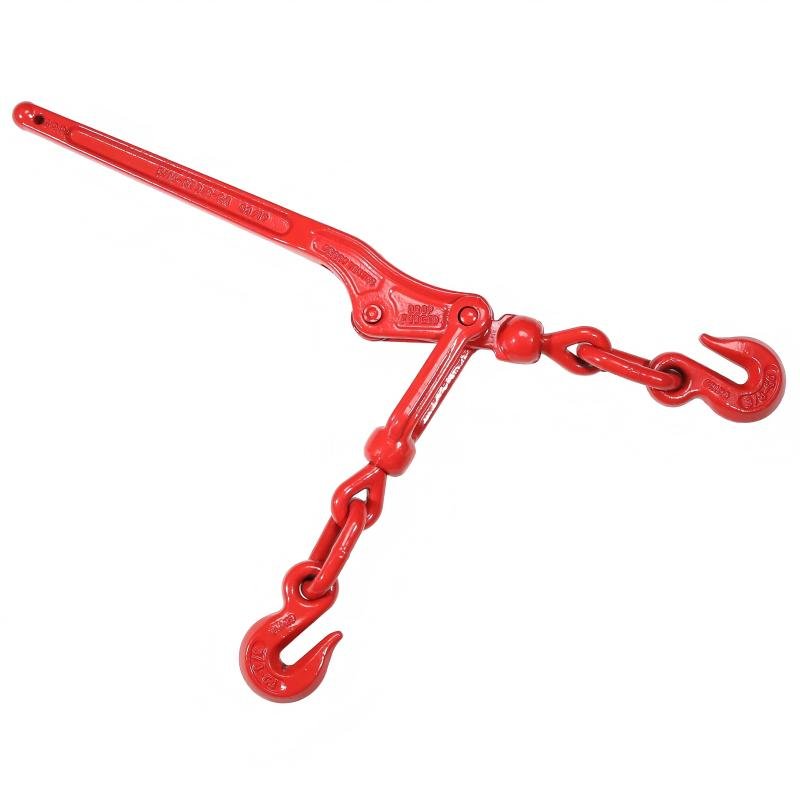
A lever load binder (also called a snap binder) uses a long lever handle to tighten transport chains.

The operator manually pulls the handle over center, creating chain tension through leverage.

Advantages
  • Fast operation
  • Simple construction
  • Lightweight
  • Lower purchase cost
  • Excellent for repetitive loading
Limitations
  • Higher stored energy during tensioning
  • Handle can snap back if released improperly
  • Requires more operator strength
  • Less precise tension adjustment
Best Applications
  • Construction equipment
  • Farm machinery
  • Logging
  • Short-haul transportation
  • Experienced operators
Lever Chain Binders

Ratchet Load Binder

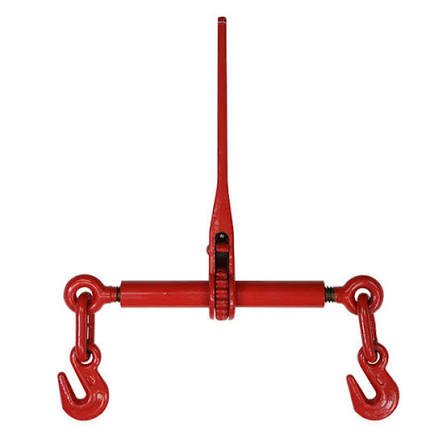
A ratchet load binder uses a threaded screw mechanism with a ratcheting handle.

The operator gradually tightens the chain by rotating the handle.

Advantages
  • Precise tension adjustment
  • Safer tightening process
  • Reduced recoil risk
  • Easier to use with heavy loads
  • Less physical effort
Limitations
  • Slower operation
  • More moving parts
  • Slightly higher cost
  • Requires occasional lubrication
Best Applications
  • Long-distance trucking
  • Heavy machinery
  • Steel transportation
  • Professional fleets
  • High-value cargo
Ratchet Chain Binders

Comparison

FeatureLever BinderRatchet Binder
SpeedVery fastModerate
Ease of UseModerateEasy
SafetyGood (requires experience)Excellent
Tension AdjustmentLimitedPrecise
Operator EffortHigherLower
MaintenanceMinimalModerate
CostLowerHigher
Heavy LoadsGoodExcellent

Other Types of Binders

Besides chain binders, several other tensioning devices are commonly used for lighter cargo.


Strap Binders

Strap binders tighten polyester webbing straps rather than steel chains.

They are commonly used for:

  • Consumer goods
  • Furniture
  • Packaged products
  • Palletized cargo

Advantages include:

  • Lightweight
  • Easy to use
  • No damage to finished surfaces
  • Corrosion resistant

They are not intended for securing extremely heavy machinery.


Cam Buckle Binders

Cam buckle binders use spring-loaded cam mechanisms instead of ratchets.

Benefits include:

  • Fast adjustment
  • Lightweight
  • Simple operation

They are ideal for:

  • Kayaks
  • Motorcycles
  • ATVs
  • Light equipment
  • Recreational cargo

Over-Center Binders

Over-center binders operate using a lever that locks past its center point.

Although similar to lever binders, some industrial over-center designs are used in specialized applications such as:

  • Container restraints
  • Industrial fixtures
  • Equipment locking systems

They offer rapid engagement but should only be used where appropriate load ratings are met.

Selecting a Chain Binder

Choosing the correct chain binder depends on several important factors.

Selection Factors

Consider:

Load Weight

The combined Working Load Limit (WLL) of the chains and binders must meet or exceed the required securement capacity.

Chain Grade

Verify compatibility with:

  • Grade 70 Transport Chain
  • Grade 80 Alloy Chain
  • Grade 100 Alloy Chain
  • Other approved transport chains

Cargo Type

Different loads require different securement strategies.

Examples include:

  • Excavators
  • Bulldozers
  • Steel pipe
  • Structural steel
  • Agricultural equipment
  • Industrial machinery

Transportation Distance

Long-haul transport often benefits from ratchet binders due to their precise tension adjustment.

Operating Environment

Consider exposure to:

  • Rain
  • Snow
  • Mud
  • Salt spray
  • Chemicals
  • Extreme temperatures

Choose corrosion-resistant finishes when necessary.

Sizing and Grades

Proper sizing is essential for safe operation.

Always match the binder to:

  • Chain size (e.g., 5/16″, 3/8″, 1/2″)
  • Chain grade
  • Working Load Limit
  • Manufacturer specifications

Never use a binder with a lower WLL than the chain it is tensioning.

Inspect all identification markings before use.

Legal and Safety

Load securement regulations vary by country, but several universal safety principles apply.

Operators should:

  • Inspect chains and binders before every use
  • Never exceed the Working Load Limit
  • Replace bent, cracked, or heavily worn binders
  • Use compatible chains and hooks
  • Ensure cargo cannot shift during transport
  • Follow applicable transportation regulations

Proper operator training is equally important for safe load securement.

Usage Guide

For safe operation:

  1. Inspect the chain binder for cracks, deformation, corrosion, or damaged threads.
  2. Verify that the binder matches the chain size and grade.
  3. Attach both hooks securely to the transport chain.
  4. Tighten the binder until the chain is firmly tensioned.
  5. Ensure the load is stable and evenly secured.
  6. Lock or secure the handle if required.
  7. Recheck chain tension after the first few miles (or kilometers) of travel and periodically during long trips.
  8. Inspect the load securement at every scheduled stop.

After use:

  • Clean dirt and debris.
  • Lubricate moving parts on ratchet binders.
  • Store in a dry location.
  • Replace damaged components immediately.

Conclusion

Chain binders are essential components of safe cargo transportation. Selecting the appropriate binder depends on your load weight, chain grade, transportation distance, and operating conditions.

Lever load binders offer fast, economical operation for experienced users, while ratchet load binders provide greater safety and precise tension control for demanding applications. Understanding the strengths of each type helps improve load security, protect valuable cargo, and comply with transportation regulations.

By choosing high-quality chain binders and following proper inspection and operating procedures, businesses can reduce downtime, extend equipment life, and ensure safer transport operations.

FAQs About Chain Binders

A ratchet binder tightens the chain gradually using a screw-and-ratchet mechanism, providing precise tension adjustment and reduced recoil risk. A lever binder uses an over-center lever to tension the chain quickly, making it faster to operate but requiring greater care during use.

Select a chain binder that matches the chain's diameter, grade, and Working Load Limit (WLL). The binder's rated capacity should be equal to or greater than the chain's WLL, and it should comply with the manufacturer's specifications.

Yes. Quality chain binders are designed for outdoor use in rain, snow, heat, and cold. However, regular inspection is essential, especially after exposure to moisture, road salt, mud, or corrosive environments. Clean and lubricate moving parts as recommended to maintain reliable performance.

Inspect chain binders before every use and periodically during transportation, especially on long trips. Remove any binder from service if it shows signs of cracks, excessive wear, bent components, damaged threads, or corrosion that could affect its strength or safe operation.


Table of Contents

Related Resources

Scroll to Top

Contact Us Now