How to Use Chain Binders for Trucking?
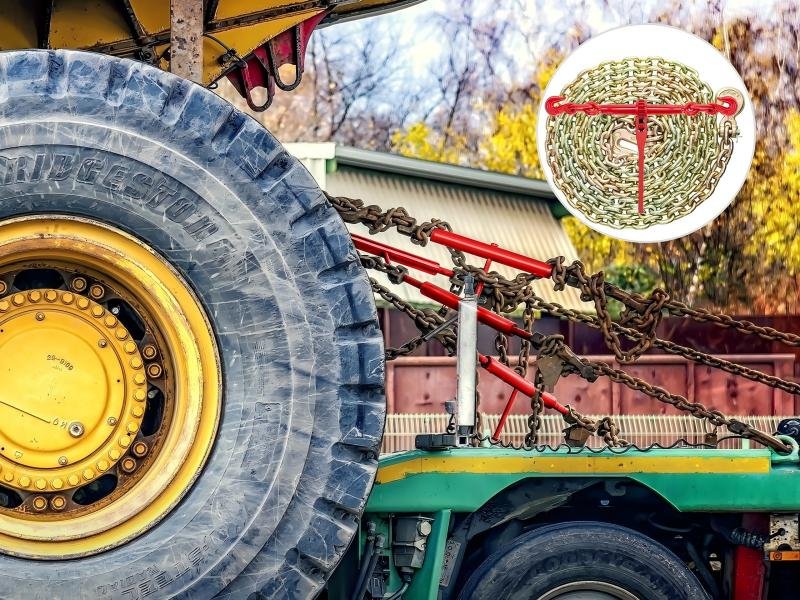
Transporting heavy machinery, steel products, construction equipment, and oversized cargo requires reliable load securement. One of the most important tools used by truck drivers and freight professionals is the chain binder, also known as a load binder.
When used correctly, chain binders apply tension to transport chains, preventing cargo from shifting during transportation. Proper use not only protects the cargo but also ensures compliance with transportation safety regulations.
This guide explains everything you need to know about chain binders, including their types, applications, inspection, maintenance, and safety requirements.
Tools for How to Attach a Hook to a Chain
Before attaching a hook to a chain, ensure you have the correct tools and equipment:
- Master link or connecting link (if required)
- Shackles (if applicable)
- Hammer or pin tool (for specific hook types)
- Measuring gauge (for chain size verification)
- PPE (personal protective equipment)
What Are Chain Binders?
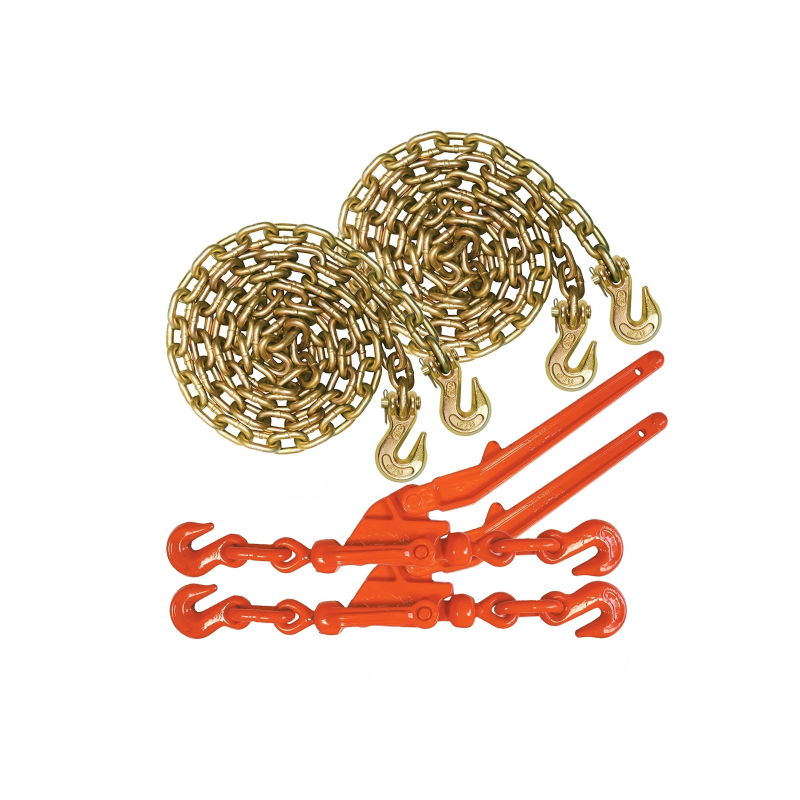
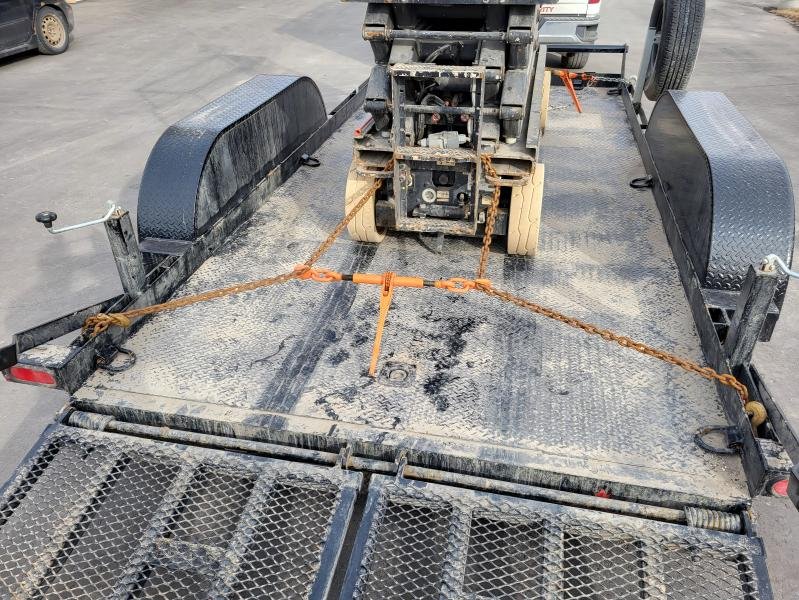
A chain binder is a mechanical tensioning device used together with transport chains to secure heavy cargo onto trailers or flatbed trucks.
The binder tightens the chain after it has been wrapped around the load, creating sufficient clamping force to prevent movement caused by braking, acceleration, or cornering.
Chain binders are widely used in:
- Flatbed trucking
- Construction equipment transportation
- Agricultural machinery hauling
- Steel coil transportation
- Industrial machinery shipping
- Logging operations
Without proper chain tension, even high-strength transport chains cannot effectively secure cargo.
Why Use Chain Binders for Heavy Cargo?
Heavy cargo generates tremendous inertial forces during transportation. A sudden stop can create forces exceeding the cargo’s own weight.
Properly tensioned chain binders help:
- Prevent cargo shifting
- Reduce accident risks
- Protect drivers and other road users
- Meet FMCSA cargo securement regulations
- Protect valuable equipment from damage
- Improve transportation efficiency
Types of Chain Binders
Different cargo applications require different types of binders.
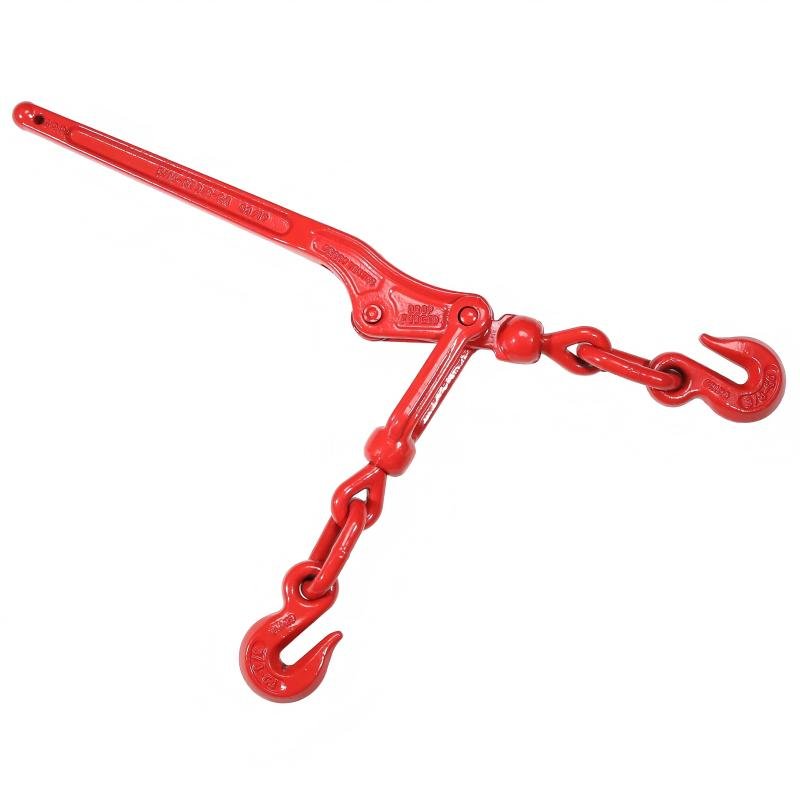
Lever Chain Binders
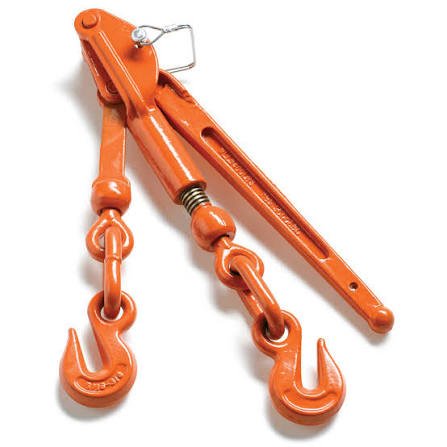
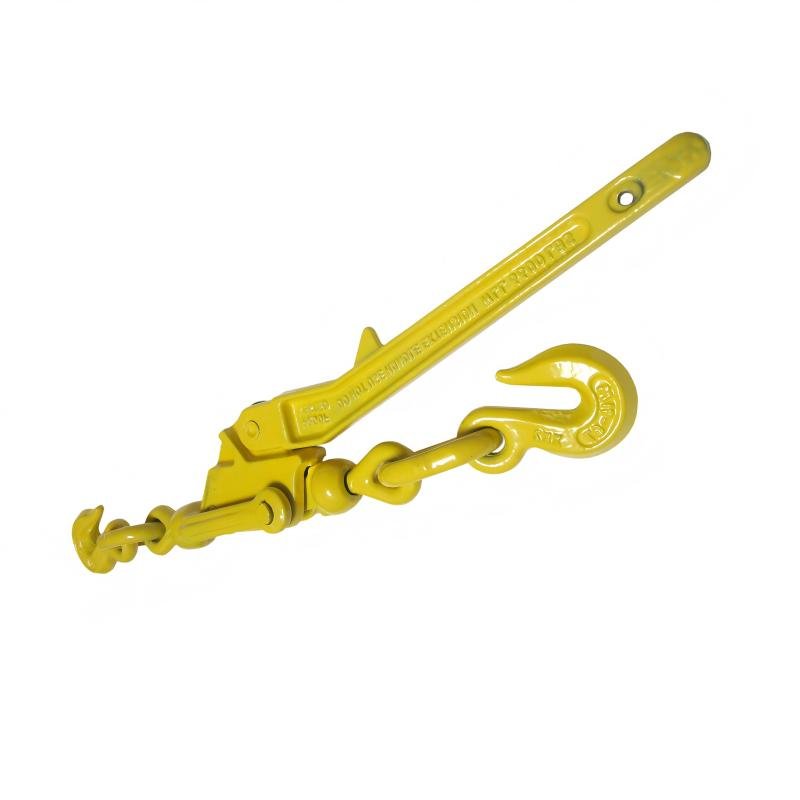
Lever binders (snap binders) use a long handle to quickly apply chain tension.
Advantages:
- Fast operation
- Simple design
- Lightweight
- Lower cost
Applications:
- Experienced operators
- Frequent loading and unloading
- Heavy-duty trucking
Limitations:
- High stored energy during operation
- Greater kickback risk
- Requires additional safety precautions
Ratchet Chain Binders
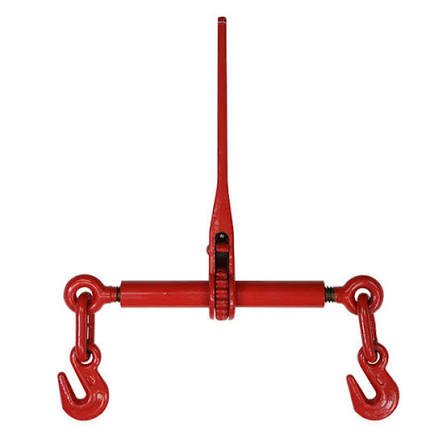
Ratchet binders tighten chains using a threaded screw and ratchet handle.
Advantages:
- Gradual tension adjustment
- Safer operation
- Easier fine adjustment
- Less recoil
Applications:
- Heavy machinery
- Oversized cargo
- Operators seeking maximum safety
Although slower than lever binders, ratchet binders are increasingly preferred because they significantly reduce injury risks.
Adjustable and Recoilless Binders
Modern chain binders include specialized designs for improved safety.
Adjustable Load Binders
Provide greater flexibility for various chain lengths without changing equipment.
Recoilless Chain Binders
Designed to eliminate dangerous handle snap-back commonly associated with lever binders.
Benefits include:
- Improved operator safety
- Better control
- Reduced fatigue
- Lower accident rates
Product Range and Features
MecBase supplies a complete range of transport load binders including:
- Lever Load Binders
- Ratchet Load Binders
- Recoilless Load Binders
- Adjustable Load Binders
Available chain sizes include:
- 1/4″
- 5/16″
- 3/8″
- 1/2″
- 5/8″
Options:
- Forged hooks
- Grab hooks
- Clevis ends
- Galvanized finish
- Powder-coated finish
- OEM customization
How to Use Chain Binders Properly
Correct installation is essential for safe transportation.
Choosing the Right Equipment
Before securing cargo, verify:
- Chain grade
- Working Load Limit (WLL)
- Binder capacity
- Cargo weight
- Trailer anchor points
Never exceed the rated Working Load Limit.
Inspecting Chains and Binders
Inspect equipment before every use.
Look for:
- Bent handles
- Cracks
- Excessive wear
- Corrosion
- Damaged hooks
- Worn threads
- Chain elongation
Damaged equipment should be removed from service immediately.
Securing Heavy Cargo Step-by-Step
Step 1
Position the cargo correctly.
Step 2
Install transport chains around designated securement points.
Step 3
Attach the chain binder between chain ends.
Step 4
Tighten until the chain becomes firm.
Step 5
Ensure equal tension across all binders.
Step 6
Secure excess chain.
Step 7
Recheck tension after driving the first few miles.
Safety Tips and Common Mistakes
Always:
- Wear gloves
- Wear eye protection
- Stand to one side while tightening
- Inspect before every trip
- Use proper chain grades
Never:
- Use damaged binders
- Over-tighten chains
- Extend lever handles with pipes (“cheater bars”)
- Mix incompatible chain grades
- Ignore loose cargo
Regulations and Compliance
Commercial transportation must comply with cargo securement regulations.
FMCSA and DOT Rules
In the United States, cargo securement requirements are primarily governed by the Federal Motor Carrier Safety Administration (FMCSA) under 49 CFR Part 393, Subpart I.
Key requirements include:
- Adequate Working Load Limit
- Proper number of tie-downs
- Correct anchor points
- Routine inspections during transit
Tie-Down Requirements
The required number of tie-downs depends on:
- Cargo weight
- Cargo length
- Equipment type
- Commodity-specific regulations
Heavy machinery often requires multiple chain binders positioned strategically.
Documentation and Training
Fleet operators should maintain:
- Equipment inspection records
- Driver training records
- Replacement schedules
- Maintenance documentation
Proper training significantly reduces cargo securement incidents.
Maintenance and Inspection
Routine maintenance extends equipment life.
Regular Checks
Inspect for:
- Thread wear
- Hook deformation
- Corrosion
- Broken welds
- Loose pins
Lubrication and Storage
Keep moving parts lubricated.
Store binders:
- Indoors
- Clean and dry
- Protected from chemicals
- Away from excessive moisture
When to Replace Equipment?
Replace chain binders immediately if they show:
- Cracks
- Bent handles
- Severe corrosion
- Damaged threads
- Deformed hooks
- Unidentified repairs
- Excessive wear
Never weld or modify a damaged load binder.
Conclusion
Chain binders play a vital role in safe cargo transportation. Selecting the correct binder, inspecting equipment before each trip, and following proper securement procedures help protect cargo, improve workplace safety, and ensure compliance with transportation regulations.
Whether you choose a lever binder for speed or a ratchet binder for enhanced control, using high-quality, properly rated equipment is essential.
MecBase provides a comprehensive range of professional load binders engineered for reliability, durability, and safe heavy-duty transport.
FAQs About Chain Binders
A chain binder tightens transport chains to secure heavy cargo, preventing movement during transportation.
Select a binder that matches your chain size and has a Working Load Limit (WLL) equal to or greater than the required securement load.
Yes. Ratchet binders are widely used and are often preferred because they allow controlled tensioning and reduce the risk of sudden handle recoil.
Inspect chain binders before every use, during scheduled maintenance, and immediately after any incident or overload.