Master links are critical components in chain sling assemblies and lifting systems, providing the primary connection point between lifting equipment and loads. Selecting the correct master link improves safety, load distribution, and operational reliability. This guide explains master link types, applications, inspection requirements, and key considerations for choosing the right master link for industrial lifting and rigging operations.
What Is a Master Link? Choosing the Right Type
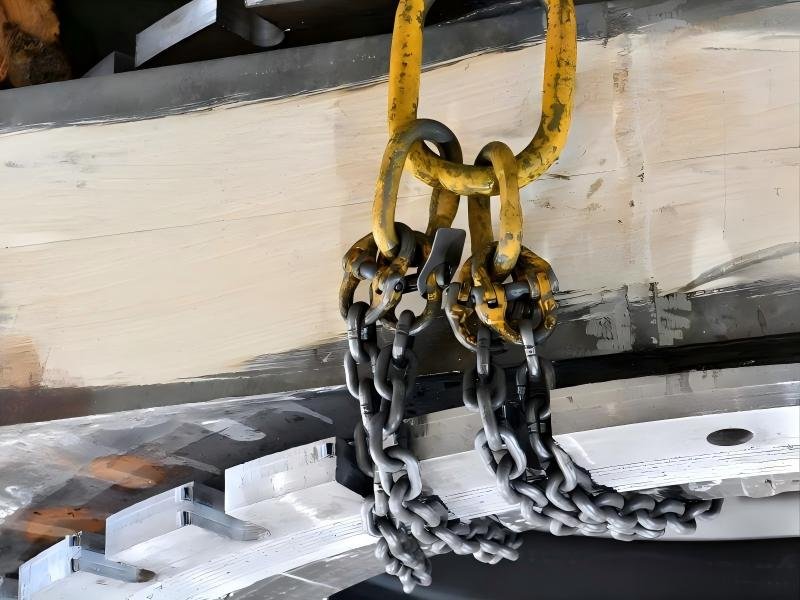
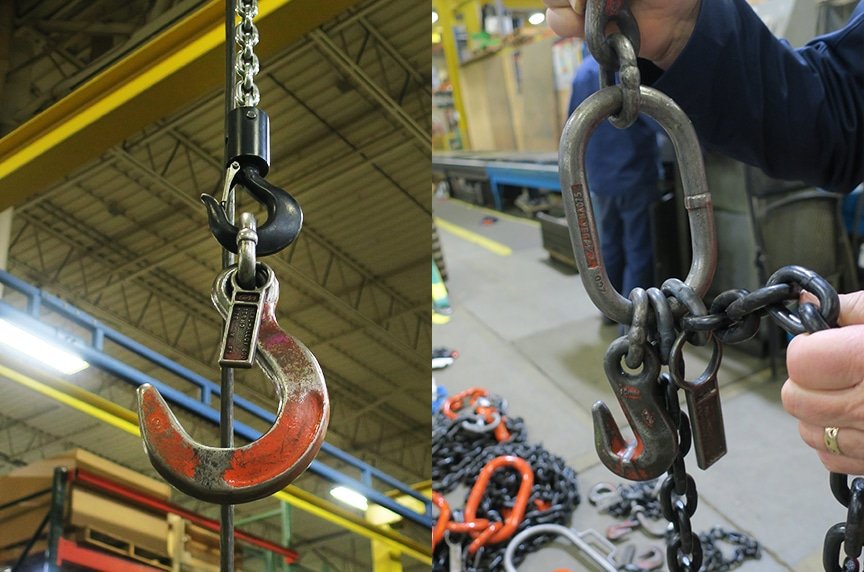
Master links are among the most important components in lifting and rigging systems. They serve as the primary connection point between a lifting device, such as a crane hook, and a chain sling assembly. Despite their simple appearance, master links play a critical role in ensuring load stability and lifting safety.
A master link is a forged steel link designed to connect one or more sling legs to a lifting hook. It acts as the top attachment point in chain sling assemblies and distributes lifting forces across the connected sling legs.
The primary functions of a master link include:
- Connecting chain slings to crane hooks
- Distributing load evenly
- Providing a secure lifting connection
- Supporting multi-leg sling configurations
- Enhancing lifting system flexibility
Common Uses in Lifting and Rigging
Master links are commonly found in:
- Construction sites
- Manufacturing facilities
- Steel mills
- Shipyards
- Mining operations
- Oil and gas projects
- Heavy equipment maintenance
They are widely used with Grade 80 and Grade 100 chain sling systems where high strength and durability are required.
Why the Right Master Link Matters?
Selecting the proper master link is not simply about matching dimensions. The wrong component can compromise lifting safety and reduce equipment lifespan.
Safety and Reliability
A properly sized and rated master link helps:
- Prevent overloading
- Maintain load balance
- Reduce stress concentration
- Minimize sling failure risks
- Meet industry lifting standards
Using an undersized or incompatible master link may result in deformation, cracking, or catastrophic failure.
Performance in Industrial Applications
The right master link improves:
- Load distribution efficiency
- Equipment compatibility
- Service life
- Operational productivity
- Worker safety
For demanding lifting operations, forged alloy steel master links provide superior toughness and fatigue resistance.
Master Link Applications
Master links are used across a wide range of industries.
Industrial and Construction Chains
Common applications include:
- Chain sling assemblies
- Material handling systems
- Heavy equipment lifting
- Structural steel installation
- Precast concrete handling
- Mining equipment maintenance
- Offshore lifting operations
Because master links serve as the main load-bearing connection point, selecting certified lifting components is essential.
Types of Master Links
Oblong master links
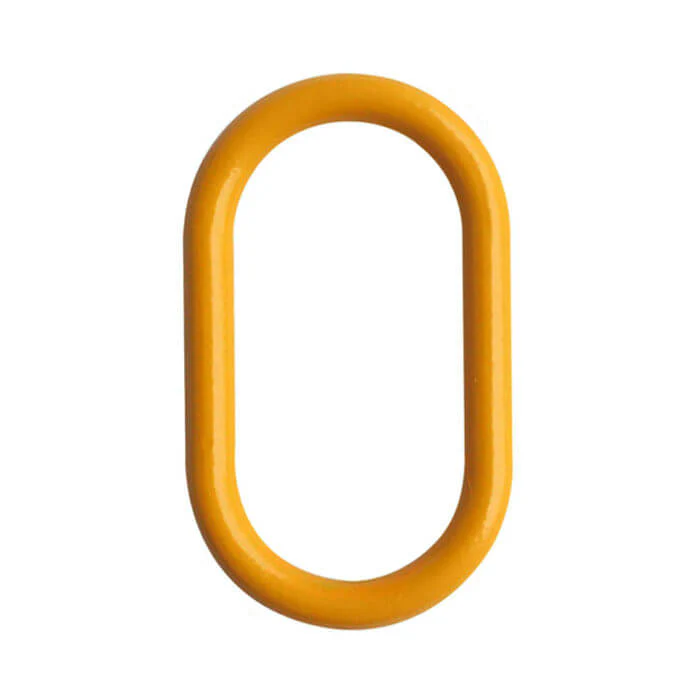
The most common type of master link used in chain sling assemblies. Their elongated oval shape provides a secure connection between crane hooks and one or more sling legs while ensuring even load distribution.
Master link sub assemblies
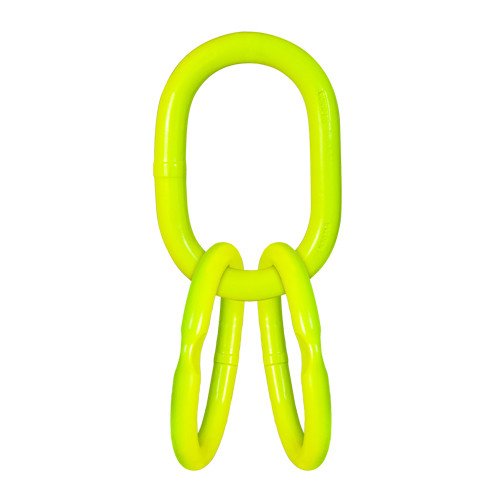
A combination of a main master link and one or more intermediate links. These assemblies are designed for multi-leg chain slings (2-leg, 3-leg, or 4-leg) to improve load sharing and connection flexibility.
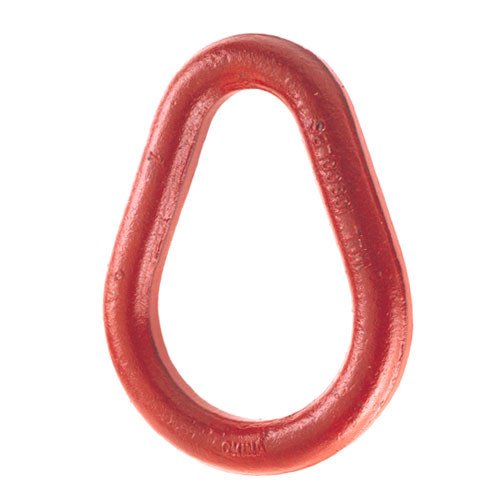
Pear-shaped links
Master links with a pear-like shape that help align loads more effectively and reduce side loading. They are often used in specialized lifting and rigging applications.
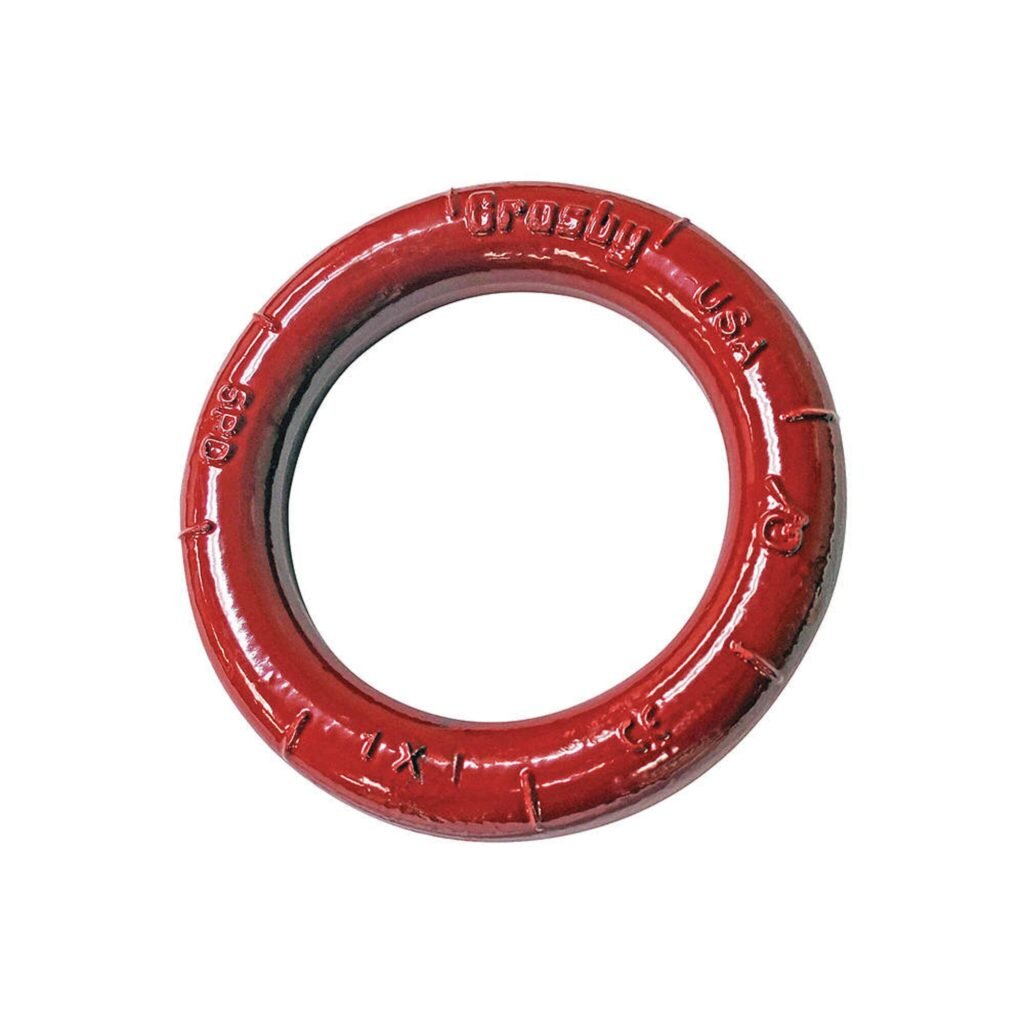
Master rings
Heavy-duty circular or ring-shaped lifting components that serve as the primary attachment point between lifting equipment and sling systems. They are commonly used in high-capacity lifting operations.
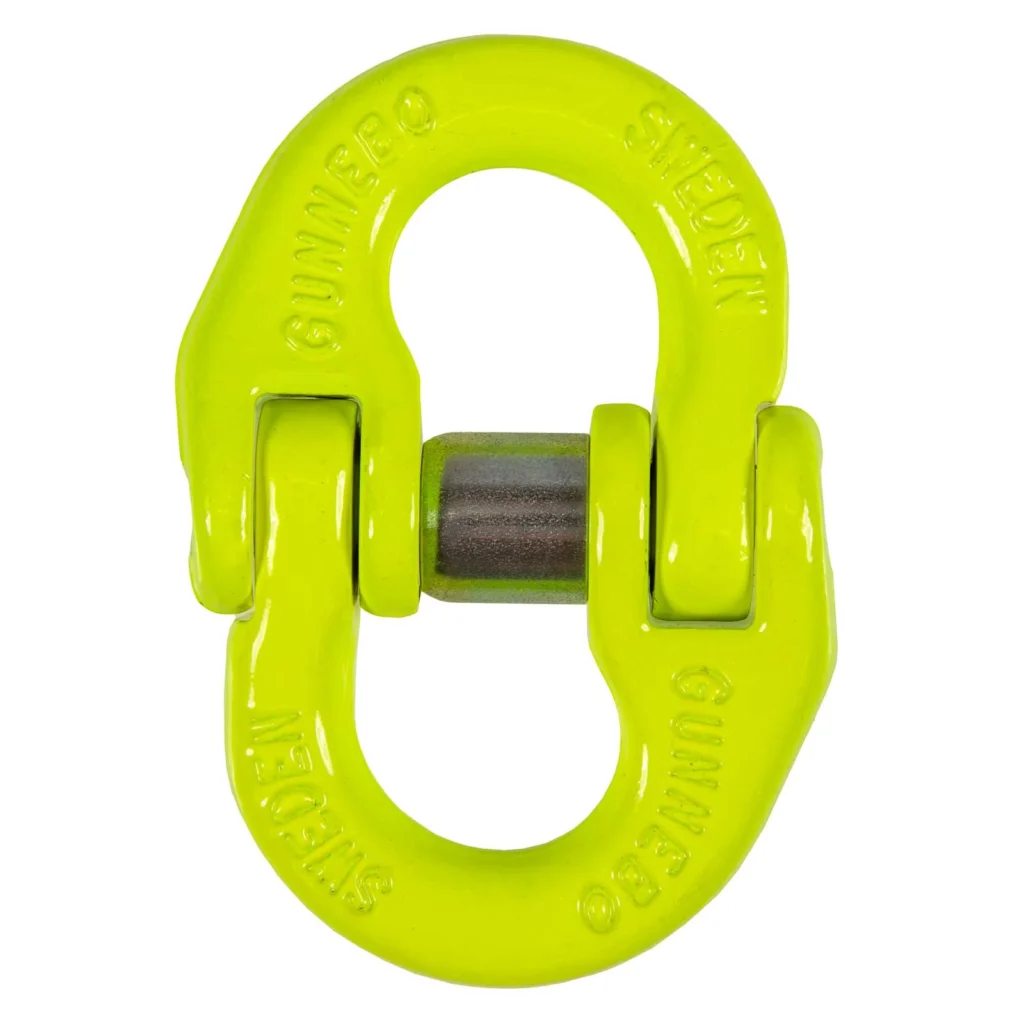
Coupling links
Connector links used to join chains, hooks, master links, or other lifting components together. They provide a secure and reliable connection within a lifting assembly and are available in various grades and configurations.
Choosing a Master Link
Several factors should be evaluated before selecting a master link.
Key considerations include:
Working Load Limit (WLL)
Always select a master link with a WLL that meets or exceeds the intended lifting load.
Number of Sling Legs
The master link must accommodate:
- Single-leg slings
- Two-leg slings
- Three-leg slings
- Four-leg slings
Crane Hook Compatibility
Verify:
- Hook opening dimensions
- Link internal dimensions
- Clearance requirements
Chain Grade Compatibility
Match the master link to the chain system:
- Grade 80 chain
- Grade 100 chain
- Other certified lifting grades
Environmental Conditions
Consider:
- Corrosive environments
- High temperatures
- Outdoor exposure
- Chemical exposure
Master Link Inspection
Regular inspections are critical for lifting safety.
Inspection Steps and Safety Tips
Before each use:
- Clean the component.
- Inspect for deformation.
- Check for cracks.
- Look for excessive wear.
- Verify identification markings.
- Confirm proper assembly.
- Inspect weld-free forged areas.
Periodic inspections should be conducted by qualified personnel according to applicable lifting standards.
When to Replace a Master Link?
Replace the master link immediately if you observe:
- Cracks
- Bending or twisting
- Excessive wear
- Corrosion damage
- Heat damage
- Missing identification markings
- Permanent elongation
Never attempt to weld, straighten, or repair a damaged lifting master link.
Conclusion
Master links are essential components in lifting and rigging systems, serving as the primary connection between lifting equipment and chain sling assemblies. Understanding the different types of master links, their applications, inspection requirements, and selection criteria helps ensure safe and efficient lifting operations.
Whether you are using a simple single-leg sling or a complex multi-leg chain assembly, choosing the correct master link is critical for safety, performance, and long-term reliability.
FAQs About master link
A master link provides the primary connection point between lifting equipment and a chain sling assembly, helping distribute loads safely and efficiently.
Select a master link based on the required working load limit (WLL), sling configuration, chain size, crane hook dimensions, and applicable lifting standards.
Yes, certified lifting master links can be reused if they pass inspection and show no signs of wear, deformation, cracking, or other damage.