- Proper hydraulic lift table maintenance training reduces workplace accidents and equipment downtime.
- Understanding mechanical, hydraulic, electrical, and safety system failures is essential for effective troubleshooting.
- Routine inspections and preventive maintenance can significantly extend equipment service life.
- Hands-on training improves technicians’ ability to identify and resolve faults quickly.
- Continuous learning and certification help maintenance personnel stay current with industry standards and safety requirements.
Why Hydraulic Lift Maintenance Training Matters?
Hydraulic lift tables are widely used in manufacturing plants, warehouses, logistics centers, maintenance workshops, and assembly lines. These systems improve material handling efficiency and reduce manual lifting risks. However, improper operation or inadequate maintenance can lead to equipment failure, production delays, and serious safety hazards.
Comprehensive hydraulic lift maintenance training equips technicians with the knowledge and skills needed to inspect, diagnose, repair, and maintain lift tables safely and efficiently.
Safety and Cost Benefits
A well-trained maintenance team can identify early warning signs before they develop into costly failures. Proper training helps:
- Reduce workplace accidents
- Minimize unexpected downtime
- Lower repair costs
- Improve compliance with safety regulations
- Prevent damage to valuable materials and equipment
Equipment Longevity and Productivity
Regular maintenance performed by trained personnel extends the service life of hydraulic lift tables. Proper lubrication, hydraulic fluid management, and timely component replacement help maintain consistent performance and maximize operational productivity.
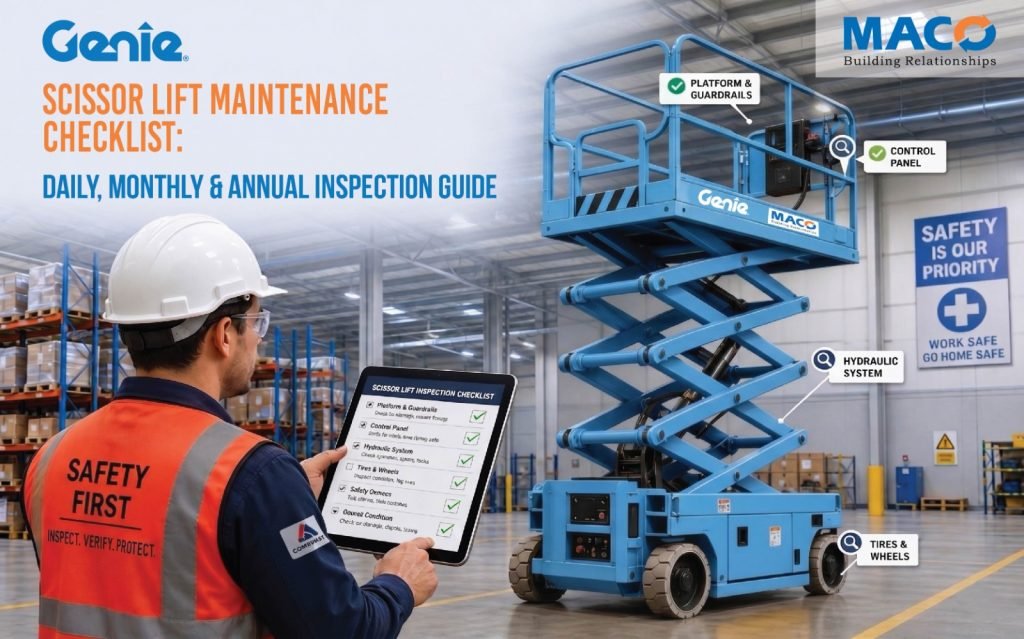
Key Faults in Hydraulic Lift Tables
Understanding common failure modes is the foundation of effective troubleshooting.
Common Mechanical Issues
Mechanical problems often result from wear, misalignment, or excessive loading.
Typical issues include:
- Bent or damaged scissor arms
- Worn pivot pins and bushings
- Loose fasteners
- Platform misalignment
- Structural fatigue cracks
These faults can cause unstable lifting, uneven movement, or reduced load capacity.
Hydraulic System Faults
Hydraulic systems provide the lifting force for the table. Common hydraulic problems include:
- Hydraulic oil leakage
- Worn cylinder seals
- Pump failure
- Air contamination
- Low hydraulic fluid levels
- Blocked filters
- Faulty relief valves
Symptoms may include slow lifting, inability to reach full height, drifting platforms, or abnormal noise.
Electrical and Control Problems
Modern hydraulic lift tables often rely on electrical controls and sensors.
Common electrical faults include:
- Damaged wiring
- Failed push-button controls
- Motor starter problems
- Faulty limit switches
- Sensor malfunctions
- Control panel failures
Electrical issues can prevent the lift from operating or create unpredictable behavior.
Safety Function Failures
Safety devices are critical for protecting operators.
Potential safety failures include:
- Emergency stop malfunction
- Safety bar damage
- Overload protection failure
- Broken warning systems
- Faulty interlock switches
These issues require immediate attention and should never be bypassed during operation.
Hydraulic Lift Repair and Troubleshooting Strategies
Systematic Fault Identification
Successful troubleshooting follows a structured approach:
Step 1: Gather Information
Collect details about:
- Operating conditions
- Recent maintenance activities
- Failure symptoms
- Frequency of occurrence
Step 2: Perform Visual Inspection
Check for:
- Oil leaks
- Loose components
- Damaged wiring
- Structural defects
- Abnormal wear
Step 3: Test Individual Systems
Evaluate:
- Hydraulic pressure
- Pump operation
- Electrical circuits
- Safety devices
- Control functions
Step 4: Verify Repairs
After repairs are completed:
- Conduct functional testing
- Confirm proper lifting capacity
- Check safety systems
- Document findings
Hands-On Training Methods
Practical training is often more effective than classroom instruction alone.
Recommended methods include:
- Equipment demonstrations
- Fault simulation exercises
- Component identification workshops
- Guided troubleshooting sessions
- Maintenance checklists and drills
Hands-on experience allows technicians to develop confidence and improve diagnostic accuracy.
Routine Inspections and Oil Analysis
Preventive maintenance programs should include:
Daily Checks
- Visual inspection
- Leak detection
- Safety device verification
Weekly Checks
- Hydraulic fluid level inspection
- Hose and fitting examination
- Fastener tightening
Monthly Checks
- Electrical system inspection
- Lubrication procedures
- Functional testing
Oil Analysis
Hydraulic oil analysis can detect:
- Water contamination
- Particle contamination
- Oxidation
- Viscosity changes
- Component wear
Oil monitoring helps identify problems before major failures occur.
Professional Guidance and Ongoing Safety Training
Maintenance personnel should receive regular refresher training covering:
- New equipment technologies
- Updated safety standards
- Troubleshooting techniques
- Lockout/tagout procedures
- Emergency response protocols
Continuous education improves reliability and workplace safety.
When to Seek Expert Support?
Some problems require assistance from qualified hydraulic specialists or equipment manufacturers.
Professional support is recommended when:
- Structural damage is detected
- Hydraulic cylinders require rebuilding
- Electrical control systems need programming
- Repeated failures occur without clear causes
- Safety systems fail compliance inspections
Seeking expert help can prevent costly mistakes and ensure regulatory compliance.
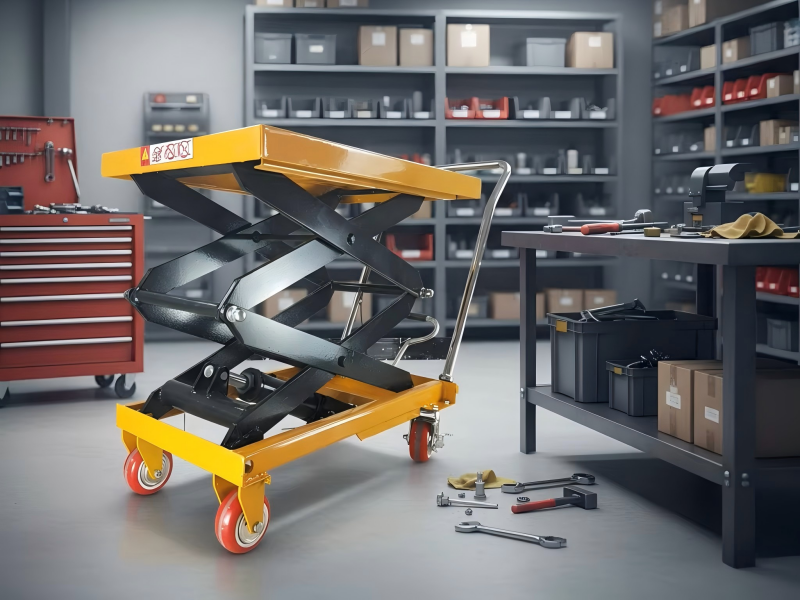
Certifications and Continuous Learning
Technicians can improve their skills through:
- Hydraulic maintenance certification programs
- Electrical troubleshooting courses
- Occupational safety training
- Manufacturer-specific service training
- Industrial maintenance certifications
Investing in training improves workforce competence and equipment reliability.
Conclusion
Hydraulic lift tables are essential tools in many industrial environments, but their reliability depends heavily on proper maintenance and repair practices. Effective training programs help technicians understand mechanical, hydraulic, electrical, and safety-related issues while providing structured troubleshooting methods.
By combining preventive maintenance, hands-on training, routine inspections, and ongoing education, organizations can reduce downtime, improve safety, and maximize the lifespan of their hydraulic lift equipment.
FAQs About hydraulic lift table
Hydraulic cylinder, pump unit, scissor frame, control system, hoses, and safety valves.
Daily visual inspections are recommended, while more detailed weekly, monthly, and annual inspections should be conducted according to manufacturer guidelines and operating conditions.
Always use the hydraulic fluid grade recommended by the manufacturer. Common industrial hydraulic oils include ISO VG 32, ISO VG 46, and ISO VG 68, depending on operating temperature and system requirements.
Start by checking the power supply, hydraulic fluid level, emergency stop status, control switches, hydraulic pump operation, and pressure settings. Inspect for leaks, damaged components, or electrical faults.
Regular training helps technicians identify issues early, perform repairs safely, comply with regulations, reduce downtime, and extend equipment service life.