Manual hoists are widely used for lifting, pulling, positioning, and securing heavy loads in construction, workshops, warehouses, shipyards, maintenance jobs, and industrial applications. Two of the most common types are the hand chain hoist, also called a chain fall, and the lever hoist, also known as a come along.
Although both tools are manually operated and use chains to move loads, they are designed for different working conditions. A chain hoist is usually better for vertical lifting, while a lever hoist is more suitable for pulling, tensioning, and positioning loads in different directions.
Choosing the right hoist depends on the load weight, lifting direction, available space, working height, and jobsite requirements.
What Is a Hand Chain Hoist?
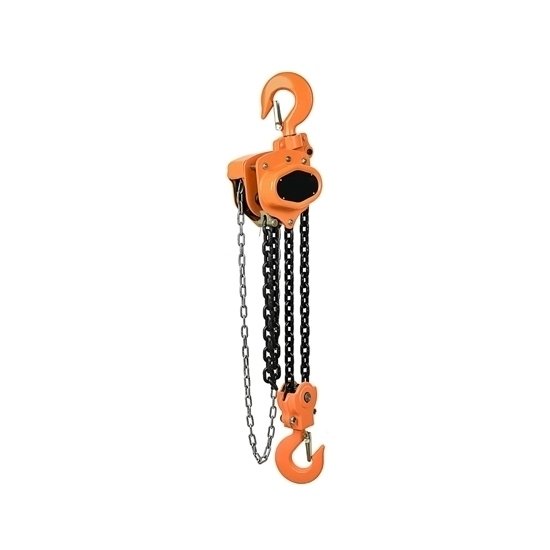
A hand chain hoist, or chain fall, is a manual lifting device used to raise and lower heavy loads vertically. It usually has a top hook for suspension, a load hook for attaching the load, a hand chain, a load chain, gears, and a braking system.
The operator pulls the hand chain to rotate the internal gears. This movement lifts or lowers the load chain and the attached load.
Hand chain hoists are commonly used for:
- Vertical lifting
- Equipment installation
- Machinery maintenance
- Warehouse lifting
- Construction and fabrication work
- Lifting engines, pumps, valves, beams, and machine parts
They are ideal when the load needs to be lifted straight up and down from a fixed overhead support point.
What Is a Lever Hoist?
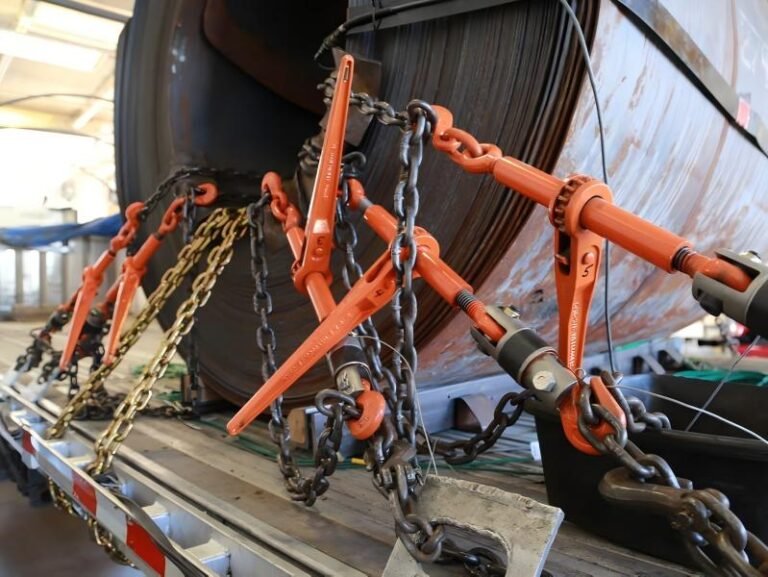
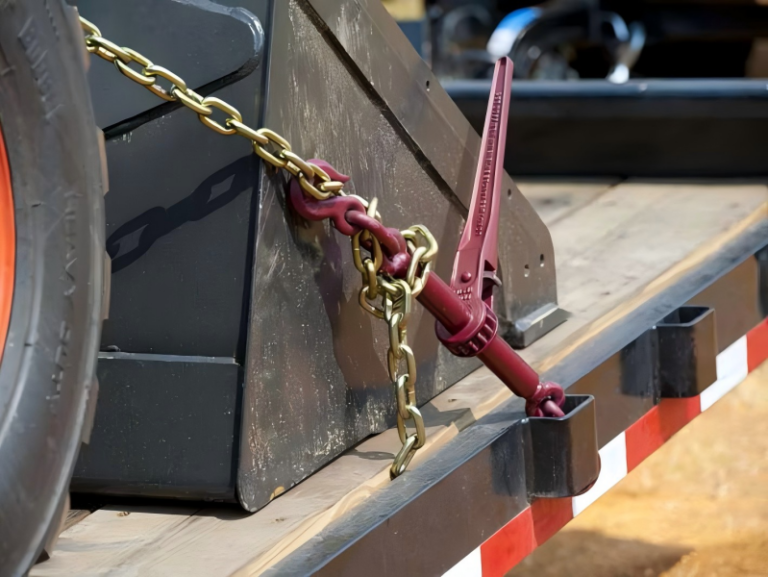
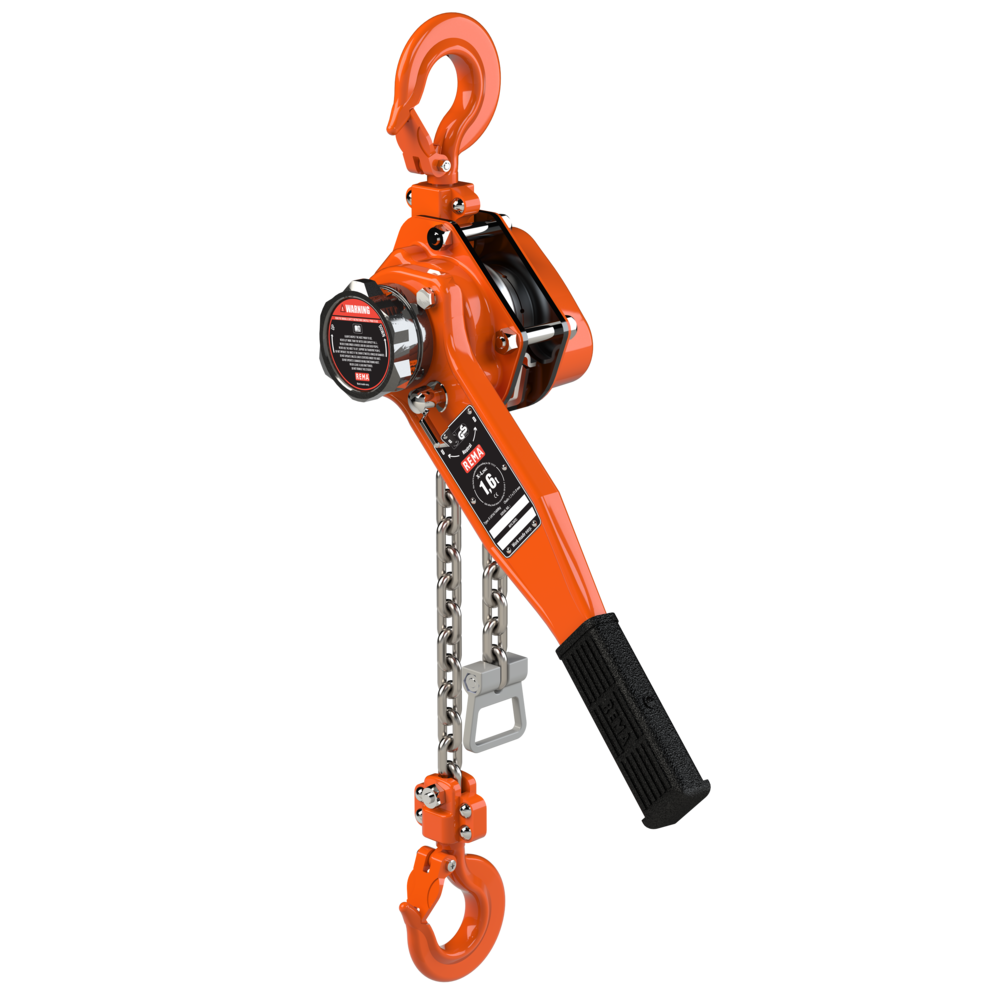
A lever hoist, also called a come along, is a compact manual hoist operated by a ratcheting lever handle. Instead of pulling a hand chain, the operator moves the handle back and forth to lift, pull, lower, or tension the load.
Lever hoists can be used in different directions, including vertical, horizontal, and angled applications. This makes them very useful for jobs where precise load positioning or pulling force is needed.
Lever hoists are commonly used for:
- Pulling loads
- Tensioning wire rope or chains
- Aligning steel structures
- Positioning machinery
- Pipe fitting
- Vehicle recovery
- Construction and maintenance work
- Rigging in tight spaces
They are often preferred when the operator needs more control in a confined area.
Chain Hoist vs Lever Hoist: Key Differences
| Feature | Hand Chain Hoist / Chain Fall | Lever Hoist / Come Along |
| Main function | Vertical lifting | Pulling, lifting, tensioning, positioning |
| Operation | Pulling a hand chain | Ratcheting a lever handle |
| Best direction | Mostly vertical | Vertical, horizontal, or angled |
| Working space | Needs room for hand chain | Good for tight spaces |
| Load control | Good for lifting and lowering | Better for positioning and tensioning |
| Common use | Lifting heavy loads from overhead | Pulling, aligning, and load adjustment |
| Portability | Usually larger | Usually more compact |
| Operator position | Usually below or beside the hoist | Can work closer to the load |
| Typical application | Shop, warehouse, construction lifting | Field work, rigging, maintenance, recovery |
The main difference is simple: a chain hoist is mainly for lifting, while a lever hoist is mainly for pulling, positioning, and tensioning, although it can also lift loads when used correctly.
Best Use Cases for Lever Hoists
A lever hoist is the better choice when the job requires pulling, tightening, aligning, or positioning a load.
Choose a lever hoist for:
- Pulling loads horizontally
- Aligning steel beams or structural components
- Tensioning cables, chains, or tie-downs
- Positioning machinery during installation
- Pipe fitting and flange alignment
- Working in confined spaces
- Field repair and maintenance
- Vehicle or equipment recovery
- Angled lifting or pulling applications
Lever hoists are compact and flexible, making them very useful for outdoor jobsites, construction sites, and maintenance crews.
How To Choose: Chain Fall vs. Come Along
When deciding between a chain fall and a come along, consider the following factors.
1. Lifting Direction
For straight vertical lifting, a hand chain hoist is usually the better choice.
For horizontal pulling, angled pulling, or load positioning, a lever hoist is usually more suitable.
2. Working Space
If there is enough room to pull a hand chain, a chain hoist works well.
If the space is limited or the operator cannot stand directly below the hoist, a lever hoist may be easier to use.
3. Load Capacity
Both chain hoists and lever hoists are available in different capacities, such as 0.5 ton, 1 ton, 2 ton, 3 ton, 5 ton, and larger.
Always choose a hoist with a rated capacity greater than the actual load. Never exceed the working load limit.
4. Lifting Height
Chain hoists are often better for applications requiring longer lifting height.
Lever hoists are usually more compact and may have shorter standard lift lengths, although custom chain lengths may be available.
5. Precision and Positioning
For precise positioning, alignment, and tensioning, a lever hoist is often more convenient.
For stable vertical lifting and lowering, a chain hoist is usually preferred.
6. Jobsite Environment
For workshops, warehouses, and fixed lifting points, chain hoists are commonly used.
For field service, construction, rigging, and repair work, lever hoists are often more practical.
7. Safety Requirements
Before using any manual hoist, check:
- Rated load capacity
- Load chain condition
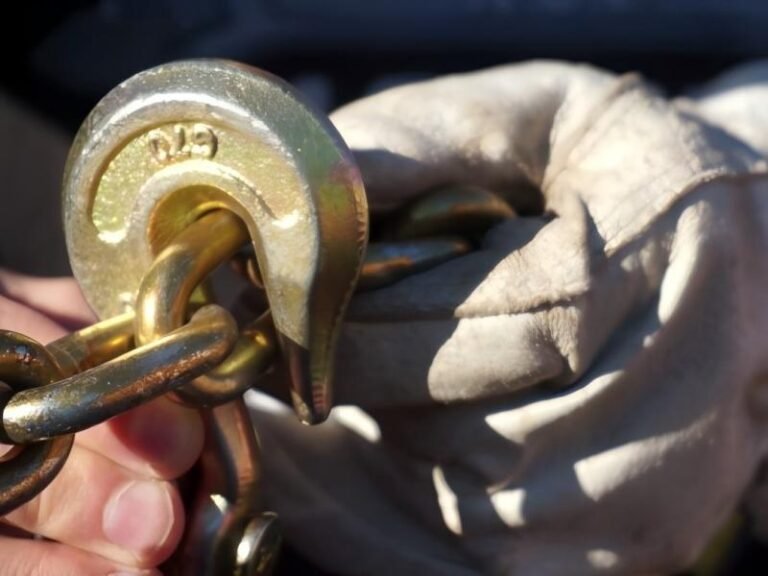
- Hooks and safety latches
- Brake function
- Warning labels and markings
- Proper suspension point
- Load balance
- Operator instructions
Do not use a damaged hoist. Do not side-load hooks. Do not lift people. Do not stand under a suspended load.
Simple Selection Guide
| Application | Recommended Hoist |
| Vertical lifting from an overhead beam | Hand chain hoist |
| Pulling a load horizontally | Lever hoist |
| Tensioning wire rope or chain | Lever hoist |
| Lifting machinery in a workshop | Hand chain hoist |
| Aligning steel structures | Lever hoist |
| Working in tight spaces | Lever hoist |
| Long lifting height | Hand chain hoist |
| Field maintenance | Lever hoist |
| Warehouse lifting | Hand chain hoist |
| Pipe fitting and positioning | Lever hoist |
Where to Buy Manual Hoists + Get Expert Help
When buying a manual hoist, choose a supplier that can provide the correct hoist type, rated capacity, lifting height, certification, and technical support.
Before ordering, it is helpful to confirm:
- Required lifting capacity
- Lifting height or chain length
- Type of hoist: chain hoist or lever hoist
- Hook type and safety latch requirement
- Application: lifting, pulling, tensioning, or positioning
- Working environment: indoor, outdoor, marine, chemical, or dusty conditions
- Required standards or certificates
- Quantity and delivery schedule
A professional supplier can help you choose the right manual hoist for your application and avoid problems caused by undersized equipment, incorrect hoist type, or unsuitable working conditions.
Summary
Both chain hoists and lever hoists are useful manual lifting tools, but they are not the same.
A hand chain hoist, or chain fall, is best for vertical lifting from an overhead support. A lever hoist, or come along, is better for pulling, tensioning, aligning, and positioning loads in different directions.
For simple vertical lifting, choose a chain hoist. For flexible field work, tight spaces, or horizontal pulling, choose a lever hoist. Always select the correct rated capacity and inspect the hoist before use.
FAQs About chain hoist vs lever hoist
A chain hoist is mainly used for vertical lifting, while a lever hoist is used for lifting, pulling, tensioning, and positioning loads in different directions.
Yes. A lever hoist is commonly called a come along. It is operated by a ratcheting lever handle and is often used for pulling, aligning, and tensioning.
A chain fall, or hand chain hoist, is used to lift and lower heavy loads vertically from an overhead support point.
Neither is always better. A chain hoist is better for vertical lifting, while a lever hoist is better for pulling, positioning, and working in tight spaces.
Yes. A lever hoist can be used for vertical lifting if it is properly rated, correctly installed, and used according to the manufacturer’s instructions.
A hand chain hoist is primarily designed for vertical lifting. For horizontal pulling or angled positioning, a lever hoist is usually the better choice.
Choose based on load capacity, lifting direction, lifting height, working space, application type, safety requirements, and the working environment.