A tagline (also called a tag line, guide rope, or control line) is a rope attached to a suspended load during a lifting operation. Its purpose is to allow personnel on the ground to control the movement and orientation of the load without directly touching it.
Taglines are commonly used in:
- Crane lifting operations
- Construction projects
- Oil & Gas facilities
- Offshore lifting
- Industrial rigging
- Heavy equipment installation
Why Is a Tagline Important?
When a load is suspended from a crane hook, it can:
- Rotate unexpectedly
- Swing due to wind
- Drift during lifting
- Strike nearby equipment
- Endanger workers
A tagline helps control these movements and improves overall lifting safety.
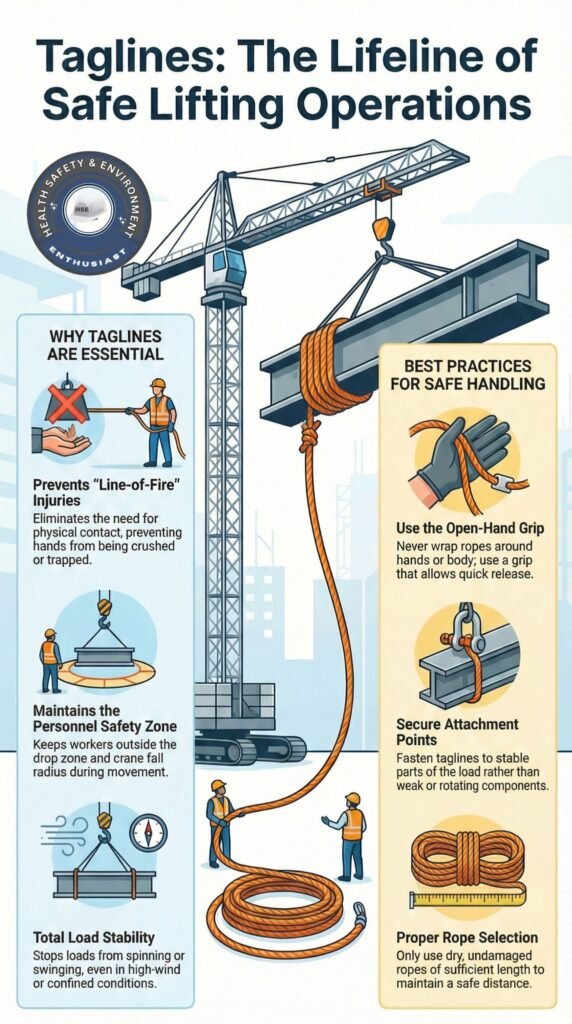
How a Tagline Helps With Load Control
1. Controls Load Rotation
One of the most common problems during lifting is load spinning.
Causes include:
- Wind
- Uneven load distribution
- Swivel action in rigging
- Crane movement
A tagline allows personnel to apply a small corrective force to keep the load properly aligned.
2. Reduces Load Swing
Loads naturally tend to swing like a pendulum.
This can occur during:
- Hoisting
- Lowering
- Trolley movement
- Crane slewing
Using a tagline helps stabilize the load and reduce uncontrolled movement.
3. Improves Load Positioning
When placing equipment in tight spaces, a tagline allows operators to:
- Fine-tune load orientation
- Align bolt holes
- Position skids
- Guide vessels and piping
This is especially useful during equipment installation.
4. Enhances Worker Safety
Without a tagline, workers may attempt to:
- Push the load by hand
- Grab rigging components
- Stand too close to the load
A properly positioned tagline helps keep personnel at a safer distance.
5. Helps Control Wind Effects
Wind can significantly affect suspended loads, especially:
- Long pipes
- Structural steel
- Vessels
- Skids
- Panels
Taglines provide additional control in windy conditions.
Common Tagline Materials
Polypropylene Rope
Advantages:
- Lightweight
- Floats on water
- Inexpensive
Commonly used for:
- Construction sites
- General lifting
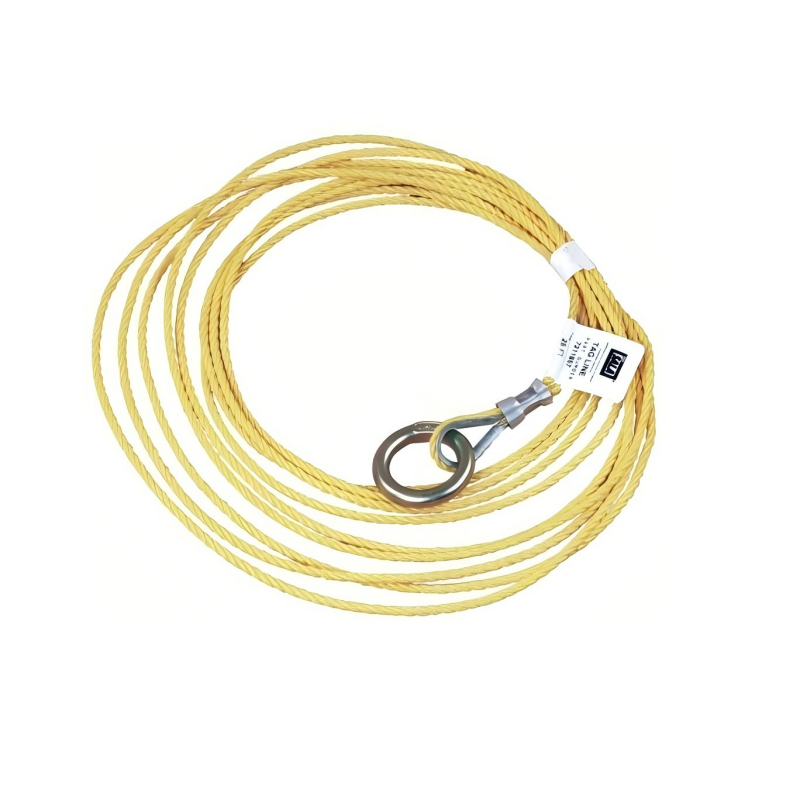
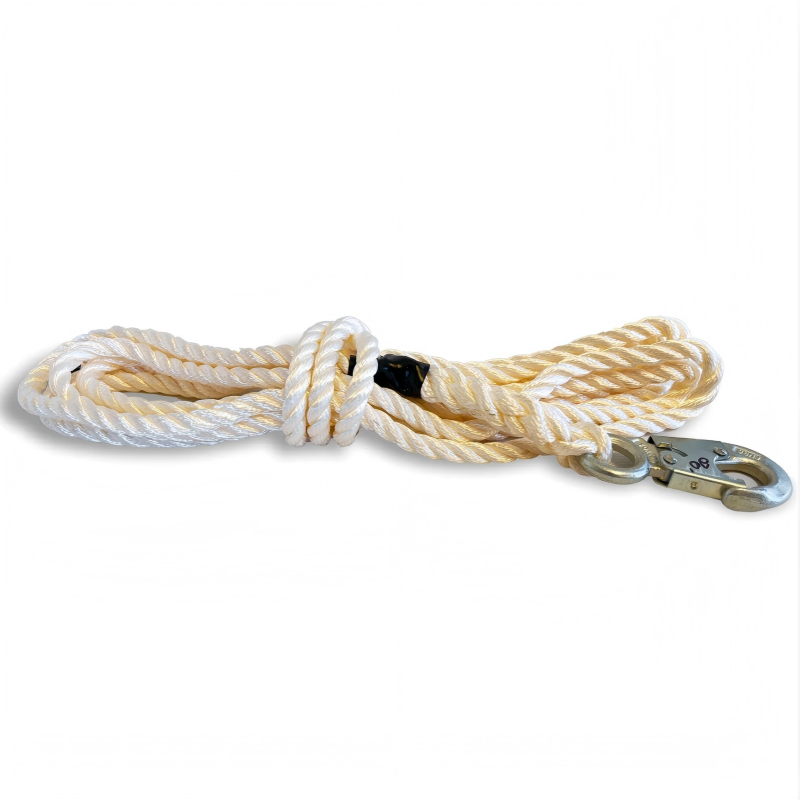
Nylon Rope
Advantages:
- Strong
- Durable
- Good shock absorption
Commonly used for:
- Industrial lifting
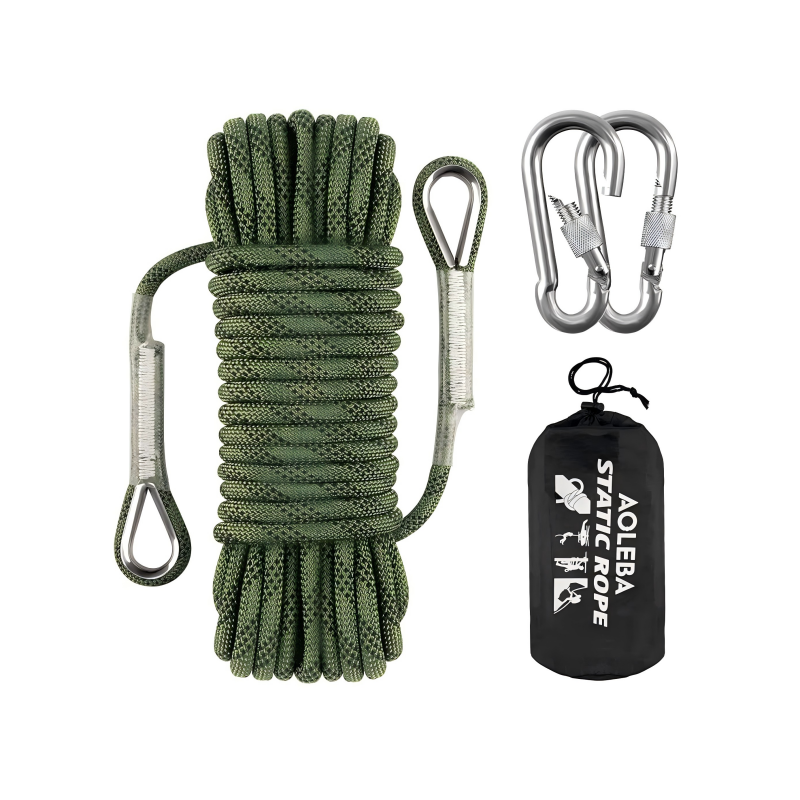
Static Control Taglines
Specialized taglines may include:
- Anti-static materials
- Conductive fibers
Often used in:
- Oil & Gas facilities
- Hazardous areas
When Should a Tagline Be Used?
Taglines are recommended when:
✅ The load is large
✅ The load has a large surface area
✅ Wind may affect the load
✅ Precise positioning is required
✅ The load may rotate
✅ Personnel need to maintain safe distance
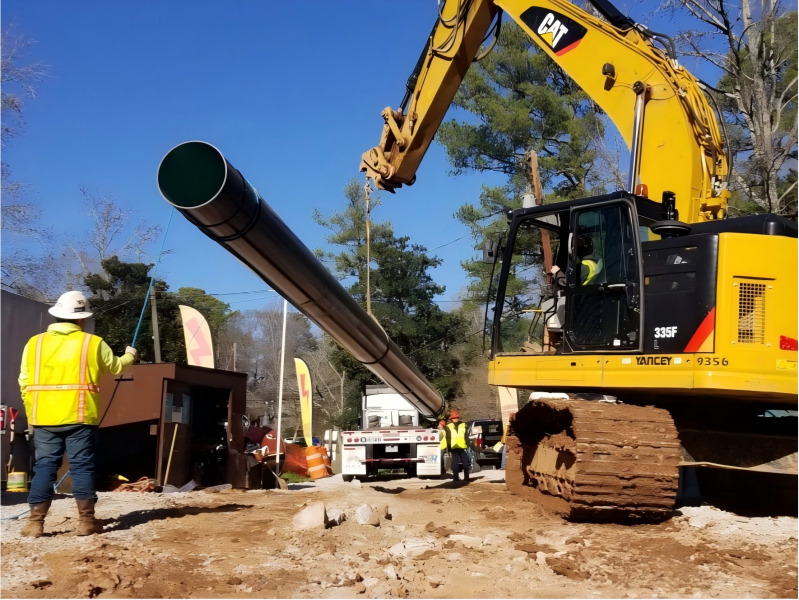
Common Tagline Mistakes
1. Wrapping the Tagline Around the Hand
Never wrap a tagline around:
- Hands
- Wrists
- Body
If the load moves suddenly, serious injuries may occur.
2. Standing Under the Load
A tagline is not a substitute for safe positioning.
Personnel should never stand:
- Under the load
- Inside the drop zone
3. Using Damaged Taglines
Inspect taglines for:
- Cuts
- Abrasion
- UV damage
- Broken fibers
Replace damaged ropes immediately.
4. Using Conductive Rope Near Electrical Hazards
When lifting near power lines:
- Use non-conductive taglines
- Follow electrical safety procedures
Advantages of Using a Tagline
| Benefit | Description |
| Load Rotation Control | Prevents unwanted spinning |
| Swing Reduction | Minimizes pendulum motion |
| Better Positioning | Improves placement accuracy |
| Increased Safety | Keeps workers away from loads |
| Wind Control | Helps stabilize loads outdoors |
| Equipment Protection | Reduces collision risk |
FAQs About Tagline
No. However, taglines are strongly recommended whenever a suspended load may swing, rotate, or require precise positioning.
Depending on the size and shape of the load:
- One tagline may be sufficient.
- Large or long loads often require two taglines.
No. A tagline helps control movement but cannot fully eliminate load swing. Proper crane operation and lift planning remain essential.
The primary purpose of a tagline is to allow personnel to safely control the movement, rotation, and positioning of a suspended load while maintaining a safe distance from the lifting operation.