What Are Eye Bolts Used for Overhead Lifts
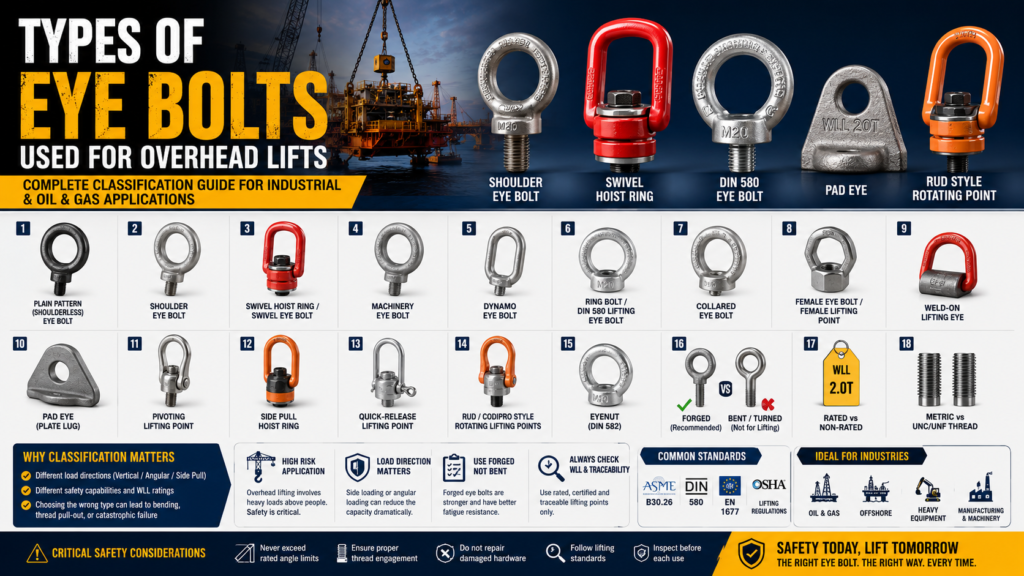
“Eye Bolts Used for Overhead Lifts” refer to lifting eye bolts used for:
- Equipment lifting
- Overhead hoisting
- Heavy load handling
- Lifting point connections
Their function is to serve as connection points between equipment and:
- Hooks
- Slings
- Wire ropes
- Shackles
Why It Is Called Overhead Lifting
Because during lifting operations:
- The load is lifted off the ground
- The load moves above personnel
- Failure can result in severe accidents
Therefore:
Overhead lifting is considered a high-risk operation.
Why Understanding Eye Bolt Classification Is Critical
Essentially, it is about understanding:
“Can this lifting point safely withstand the actual working conditions?”
rather than simply:
“Can it be screwed in?”
These are two completely different concepts.
Different Eye Bolts Handle Loads Differently
Some eye bolts are designed only for:
- Vertical loading
Others are designed to handle:
- Angular loading
- Side loading
- Rotational loading
- Dynamic loads
Selecting the wrong type may result in:
- Bending
- Fracture
- Thread pull-out
- Equipment dropping
Therefore:
Understanding eye bolt classifications means understanding their load direction capability, safety level, application suitability, and failure risks.
Common Types of Eye Bolts for Overhead Lifting
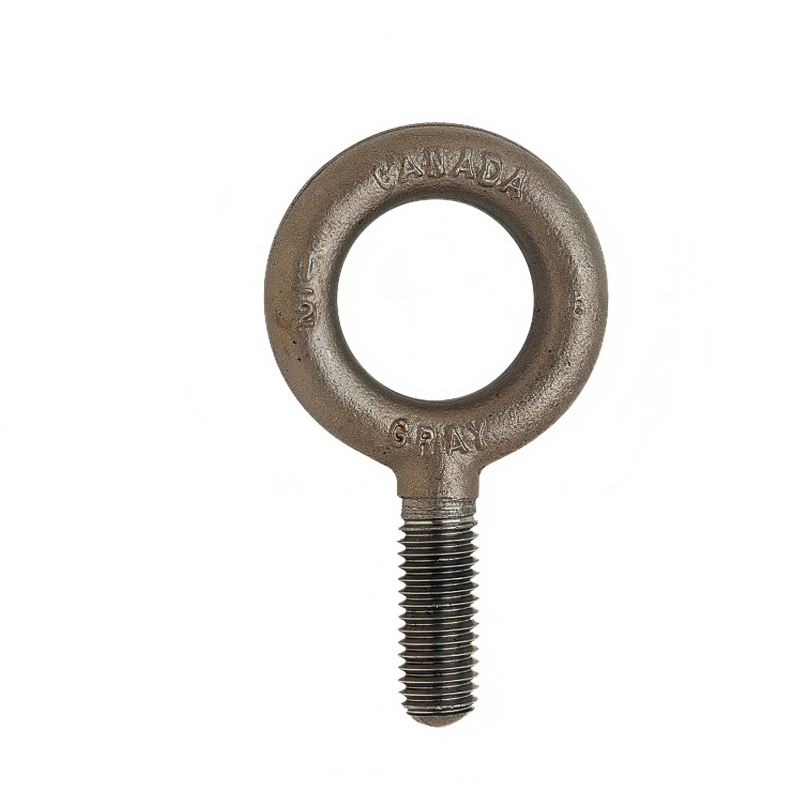
1. Plain Pattern (Shoulderless) Eye Bolt
Features:
- No shoulder under the eye
- Simple construction
Applications:
- Vertical lifting only
Risks:
- Not suitable for side loading
- Easily bent under angular force
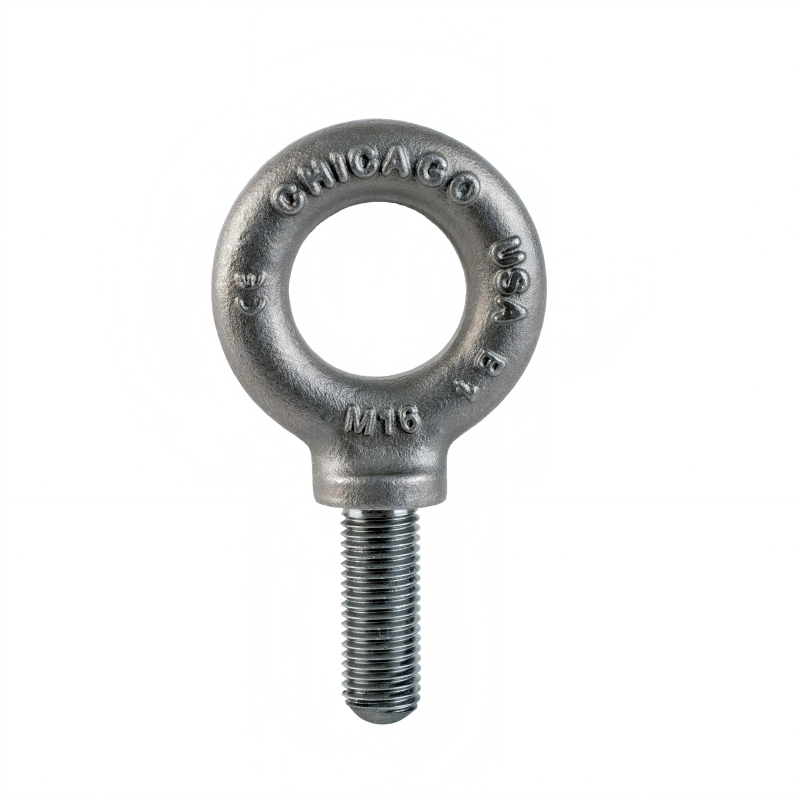
2. Shoulder Eye Bolt
Features:
- Includes a shoulder
- Better distributes bending stress
Applications:
- Vertical lifting
- Limited angular lifting
This is one of the most commonly used lifting eye bolts in industry.
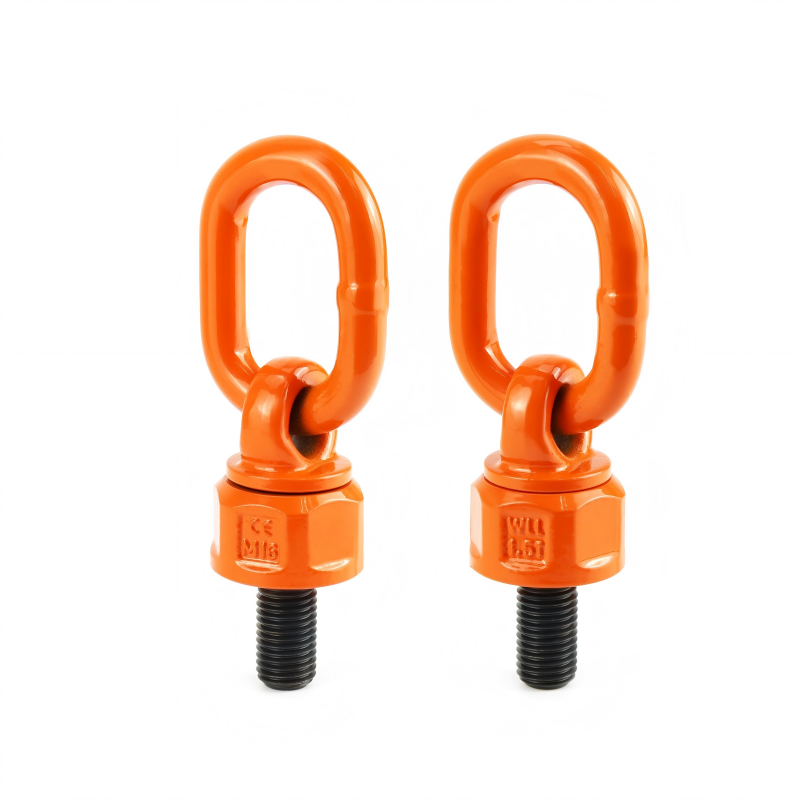
3. Swivel Hoist Ring / Swivel Eye Bolt
Features:
- 360° rotation capability
- Automatically aligns with load direction
Applications:
- Multi-directional lifting
- Dynamic lifting
- Heavy equipment handling
Advantages:
- Greatly reduces side-loading risks
4. Machinery Eye Bolt
Features:
- Heavy-duty forged construction
- Often used as permanent lifting points
Applications:
- Industrial machinery
- Pumps
- Valves
- Equipment skids
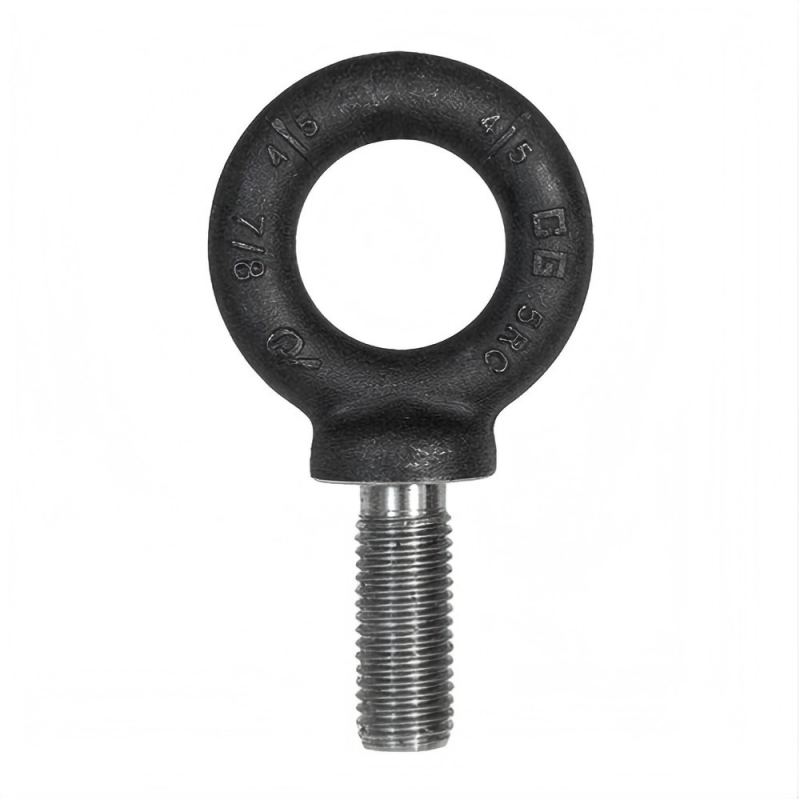
5. Dynamo Eye Bolt
Features:
- Extended eye shape
- Better hook and shackle engagement
Applications:
- Rigging systems
- Offshore lifting
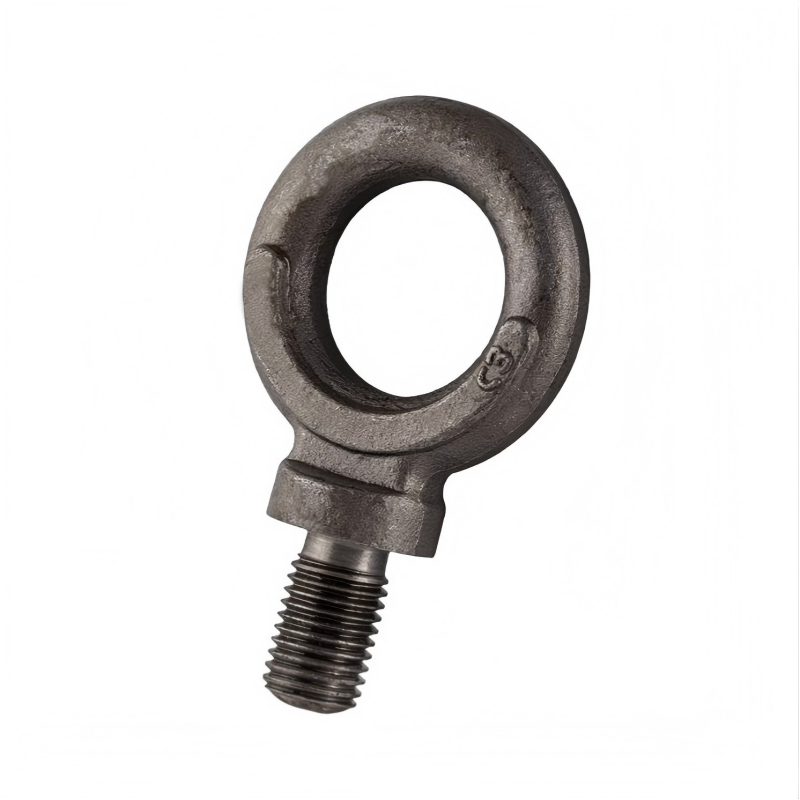
6. Ring Bolts / DIN 580 Lifting Eye Bolts
Features:
- European standard lifting eye bolts
- Metric thread design
Widely used for:
- Industrial equipment
- Valves
- Flanges
- Pressure vessels
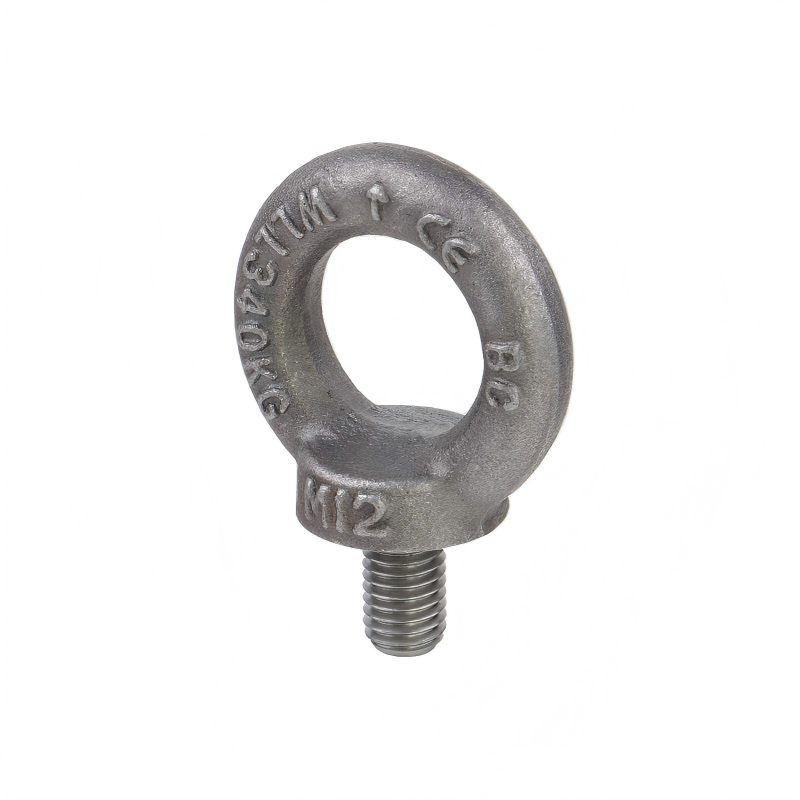
7. Collared Eye Bolt
Features:
- Wider collar than standard shoulder eye bolts
- Larger contact surface area
Applications:
- Heavy-duty equipment
- Mold handling
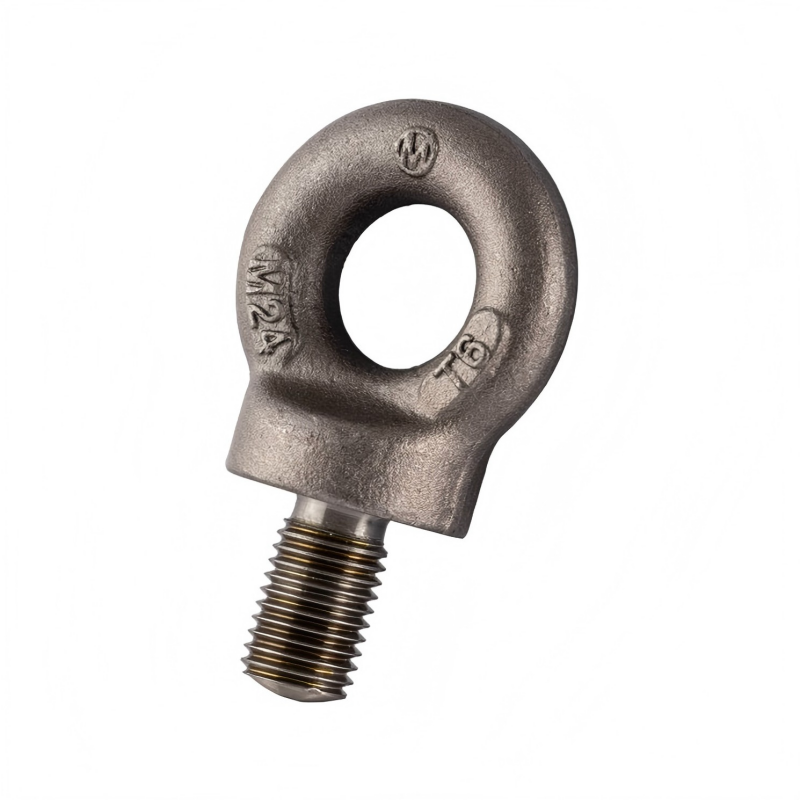
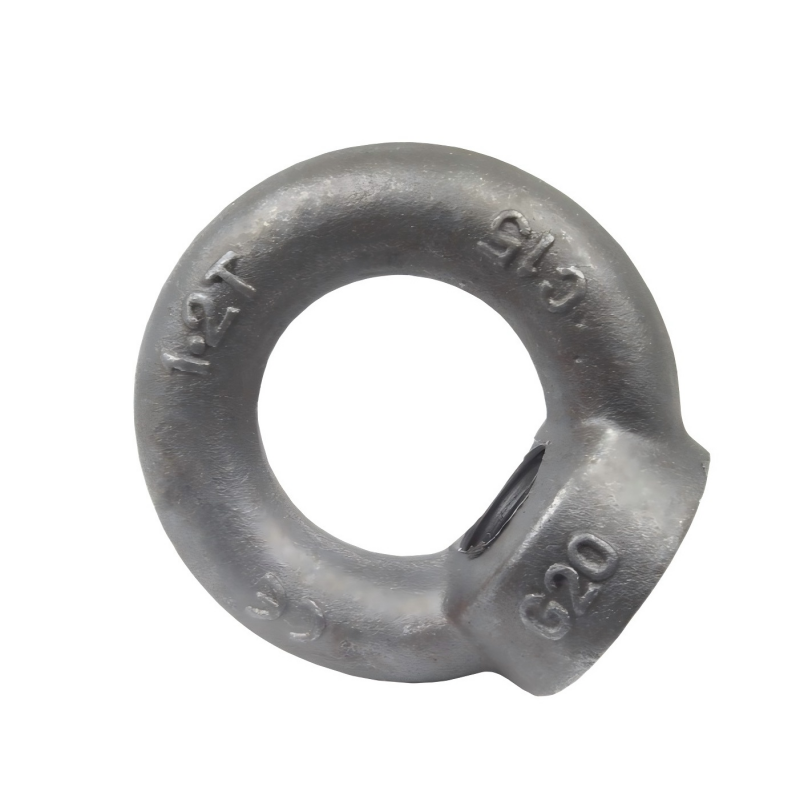
8. Female Eye Bolt / Female Lifting Point
Features:
- Female threaded design
- Compact installation
Applications:
- Limited-space equipment
- Mold industry
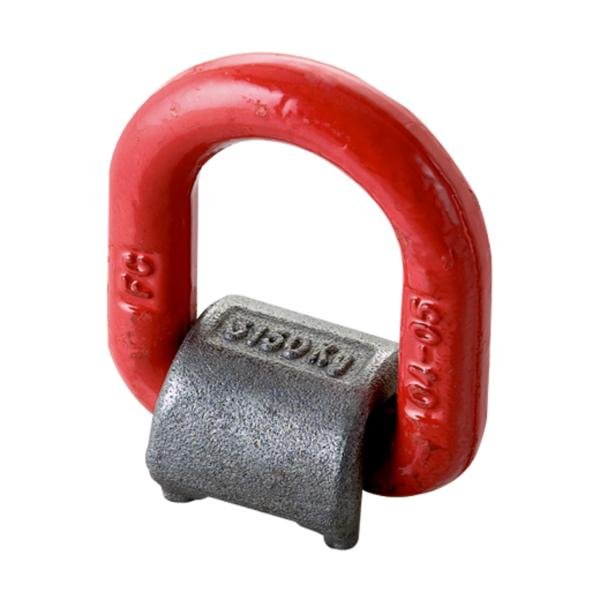
9. Weld-On Lifting Eye
Features:
- Welded installation
- Non-threaded connection
Applications:
- Pressure vessels
- Offshore structures
- Large skids
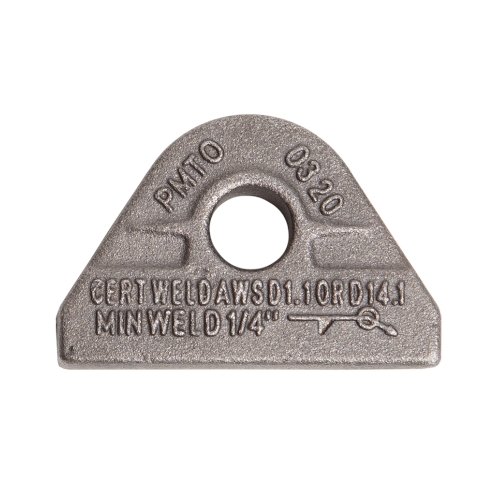
10. Pad Eye
Features:
- Heavy steel plate construction
- Extremely high load capacity
Widely used in:
- Offshore platforms
- FPSO modules
- BOP handling
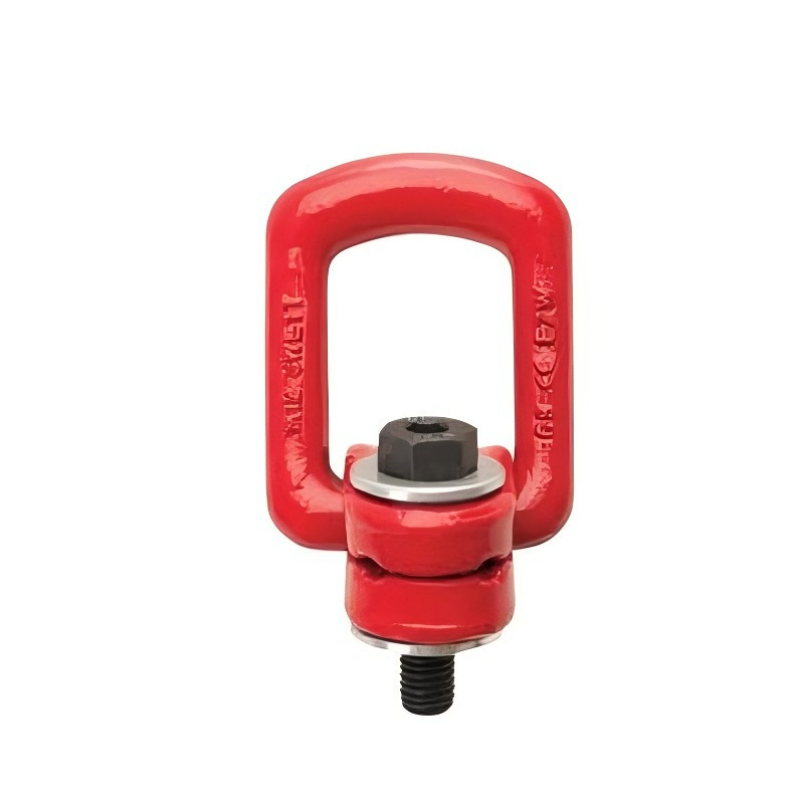
11. Pivoting Lifting Point
Features:
- Pivoting movement
- Automatically adjusts to load direction
Safer than standard eye bolts.
12. Side Pull Hoist Ring
Features:
- Specifically designed for side loading
Applications:
- Large-angle lifting
- Horizontal pulling
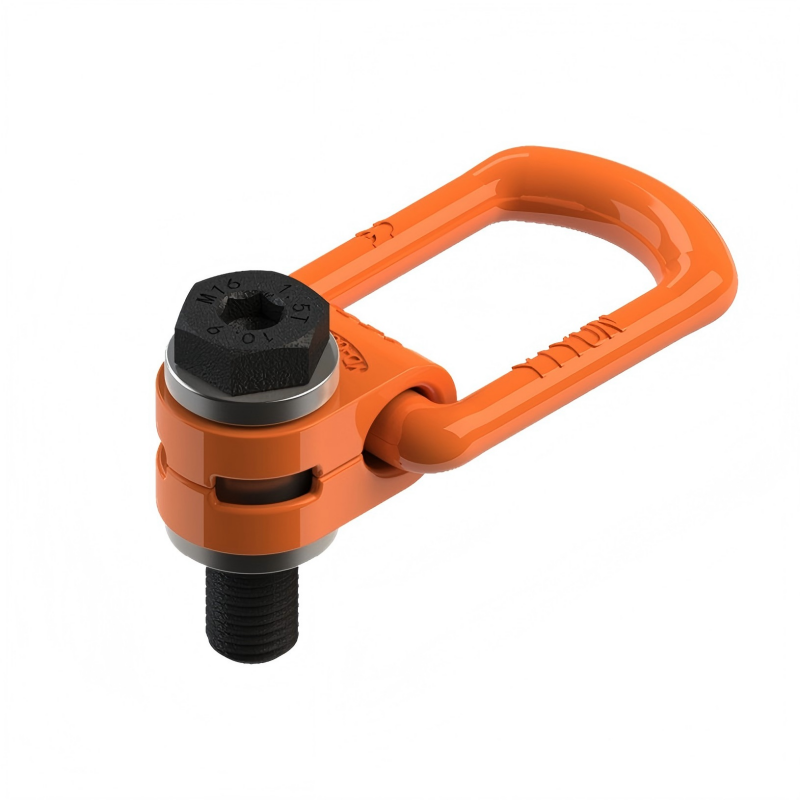
13. Quick-Release Lifting Point
Features:
- Fast installation and removal
Applications:
- Aerospace
- Military equipment
- Mold handling
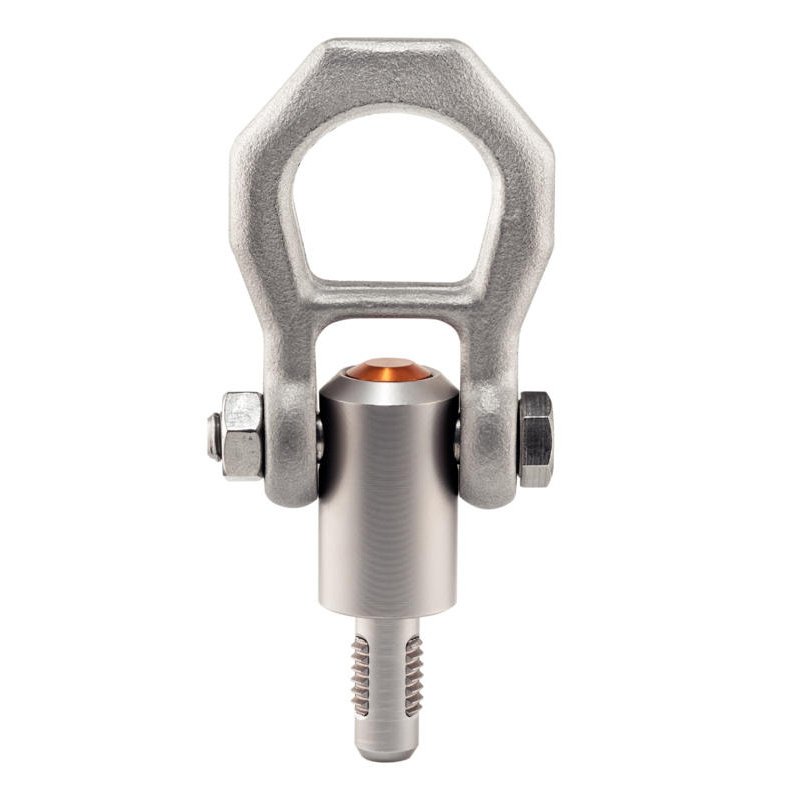
14. RUD / CODIPRO Style Rotating Lifting Points
Features:
- 360° rotation
- 180° pivoting
- High WLL ratings
Applications:
- Offshore
- Wind power
- Heavy lifting
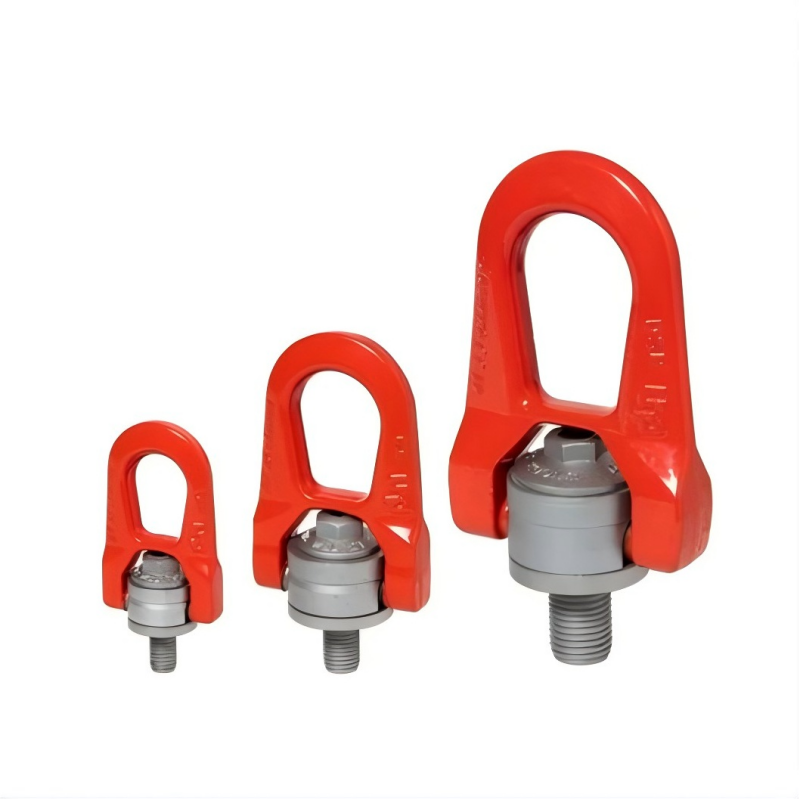
15. Eyenut
Features:
- Nut-type lifting point
- Used with threaded rods
Standard:
- DIN 582
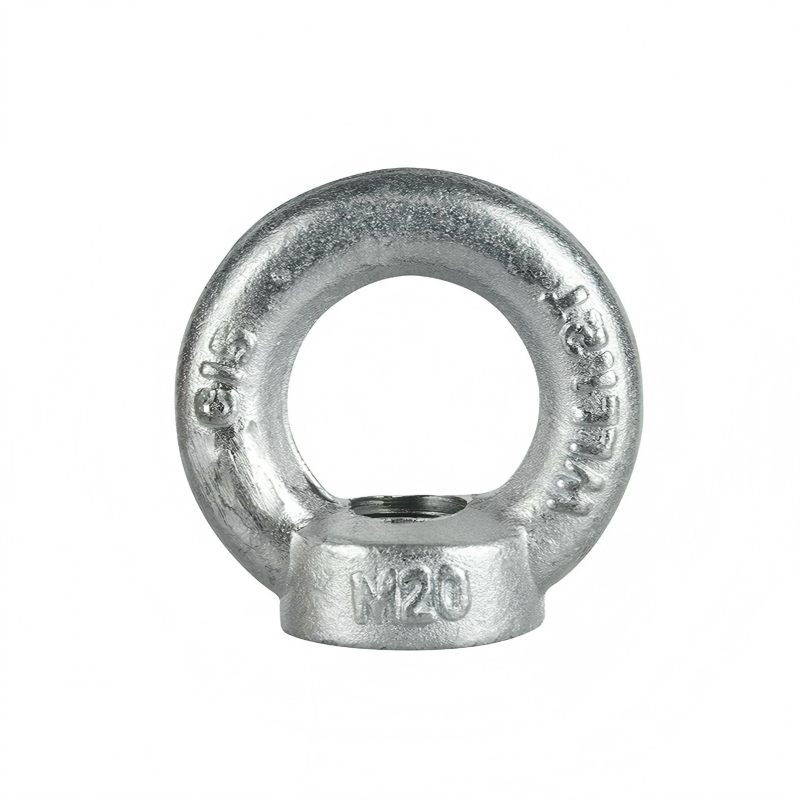
Classification by Manufacturing Method
Forged Eye Bolts
Suitable for:
- Overhead lifting
Advantages:
- Superior grain structure
- Higher strength
- Better fatigue resistance
Bent / Turned Eye Bolts
Typically:
- Not approved for overhead lifting
Reasons:
- Inferior grain structure
- Poor fatigue performance
Rated vs Non-Rated Eye Bolts
This is an extremely important classification in industrial procurement.
Rated Eye Bolts
Include:
- WLL (Working Load Limit)
- Certification
- Traceability
Approved for lifting operations.
Non-Rated Eye Bolts
General hardware products:
- No certification
- No load rating
Typically:
Not permitted for overhead lifting.
Thread Standard Classification
| Type | Region |
| DIN 580 Metric | Europe |
| UNC / UNF | United States |
| BSW | Older British Standard |
Material Types
| Material | Typical Use |
| Carbon Steel | General lifting |
| Alloy Steel | Heavy-duty/high-strength lifting |
| Stainless Steel 304 | Corrosion resistance |
| Stainless Steel 316 | Marine/offshore environments |
More Professional Classification Methods
In engineering practice, eye bolts are often classified by:
| Classification Aspect | Content |
| Load Direction | Vertical / Angular / Side Pull |
| Rotation Capability | Fixed / Swivel / Pivot |
| Installation Method | Male / Female / Weld-on |
| Structural Design | Shoulder / Non-shoulder |
| Manufacturing Method | Forged / Bent |
| Certification Level | Rated / Non-rated |
| Standards | DIN / ASME / EN |
| Industry Application | Offshore / Machinery / General |
Critical Safety Considerations
Never Exceed Rated Angle Limits
Load capacity drops significantly under side loading.
Thread Engagement Matters
Typical minimum engagement:
- Steel: minimum 1× bolt diameter
- Aluminum: minimum 2× bolt diameter
Avoid Bent or Repaired Eye Bolts
Damaged lifting hardware must never be repaired for reuse.
Use Forged — Not Bent Wire — Eye Bolts
Forged lifting eyes are required for overhead lifting applications.
Common Lifting Standards
Common lifting standards include:
- ASME B30.26
- OSHA lifting regulations
- DIN 580
- EN 1677
What Matters Most in Oil & Gas Applications
In the Oil & Gas industry, the most critical factors are:
- Whether side loading is permitted
- Whether the eye bolt is forged
- Whether it has a WLL rating
- Whether it is traceable
- Whether it complies with lifting standards
Because many lifting accidents are caused not by:
“insufficient strength”
but by:
“incorrect load direction.”
Which Type Is Best?
| Situation | Recommended Type |
| Straight vertical lift | Shoulder Eye Bolt |
| Angular lifting | Swivel Hoist Ring |
| Heavy critical lifts | Swivel Hoist Ring |
| Offshore / corrosive environment | 316 SS Swivel or DIN 580 |
| Permanent machinery lifting point | Machinery Eye Bolt |
| Light temporary lift | Plain Pattern Eye Bolt |
What should I consider when selecting an eye bolt?
Key selection criteria include:
- Load weight
- Load direction
- Lifting angle
- Thread size and engagement
- Material compatibility
- Environmental conditions
- WLL requirements
- Industry standards
- Traceability requirements
- Whether rotation or side loading is expected
Choosing the correct eye bolt is essential for safe and compliant overhead lifting operations.
FAQs About Types of Eye Bolts for Overhead Lifting
An eye bolt is a lifting attachment point designed to connect hooks, slings, wire ropes, or shackles to a load during lifting operations. Eye bolts are commonly used on machinery, pressure vessels, valves, skids, and structural components to provide a secure lifting point.
A shoulder eye bolt has a reinforced shoulder beneath the eye that helps distribute bending forces and allows limited angular lifting.
A shoulderless eye bolt does not have this reinforcement and should only be used for straight vertical lifts.
Using a shoulderless eye bolt for angular or side loading can result in bending or failure.
Not all eye bolts are designed for side loading.
- Plain Pattern (Shoulderless) Eye Bolts: No
- Standard Shoulder Eye Bolts: Limited side loading
- Swivel Hoist Rings: Yes
- Side Pull Hoist Rings: Specifically designed for side loading
Always follow the manufacturer's load-angle ratings.
For most industrial lifting applications, Swivel Hoist Rings are considered one of the safest options because they:
- Rotate 360°
- Pivot to align with the load direction
- Minimize dangerous side loading
- Handle complex lifting geometries
They are widely used in Oil & Gas, offshore, and heavy equipment industries.
WLL (Working Load Limit) is the maximum load that a lifting device is rated to safely support under specified conditions.
The WLL is determined by:
- Material strength
- Design
- Safety factor
- Loading direction
Never exceed the manufacturer's stated WLL.
As the lifting angle increases, additional bending forces are introduced into the eye bolt.
As a result:
- Vertical loading provides the highest capacity.
- Angular loading reduces allowable capacity.
- Severe side loading may not be permitted at all.
Always consult the manufacturer's load-angle chart before lifting.
Forged Eye Bolt
- Manufactured through forging
- Superior grain structure
- Higher strength
- Better fatigue resistance
- Suitable for overhead lifting
Bent Eye Bolt
- Formed by bending rod stock
- Lower structural integrity
- Poor fatigue performance
- Typically not approved for overhead lifting
For overhead lifting, forged eye bolts should always be used.
A rated eye bolt is a lifting eye that includes:
- WLL marking
- Manufacturer identification
- Material traceability
- Compliance with applicable lifting standards
Rated eye bolts are intended for lifting operations and are tested according to industry requirements.
Generally, no.
Many hardware-store eye bolts are designed for:
- Tie-down applications
- Anchoring
- General utility purposes
Unless the eye bolt is specifically rated and certified for lifting, it should not be used in overhead lifting applications.
Common lifting standards include:
- ASME B30.26
- DIN 580
- DIN 582
- EN 1677
- OSHA lifting regulations
Compliance requirements vary by industry and region.
DIN 580
- Lifting Eye Bolt
- Male threaded lifting point
DIN 582
- Lifting Eye Nut
- Female threaded lifting point
Both are commonly used in industrial lifting applications.
The best material depends on the environment:
| Material | Typical Application |
| Carbon Steel | General industrial lifting |
| Alloy Steel | Heavy-duty lifting |
| Stainless Steel 304 | Corrosion-resistant environments |
| Stainless Steel 316 | Marine and offshore environments |
For offshore and marine service, 316 stainless steel is typically preferred.
A common rule of thumb is:
- Steel: minimum thread engagement equal to 1× bolt diameter
- Aluminum: minimum thread engagement equal to 2× bolt diameter
Engineering calculations may require greater engagement depending on load and material.
Common causes include:
- Side loading
- Overloading
- Insufficient thread engagement
- Incorrect installation
- Using non-rated hardware
- Corrosion damage
- Fatigue cracking
- Reusing damaged lifting points
Many lifting accidents occur because the load direction was not properly considered.
The most common lifting points used in Oil & Gas include:
- Swivel Hoist Rings
- Shoulder Eye Bolts
- Pad Eyes
- Weld-On Lifting Eyes
- RUD Rotating Lifting Points
- CODIPRO Rotating Lifting Points
These products are often selected because they provide:
- High WLL ratings
- Traceability
- Compliance with lifting standards
- Enhanced safety for multi-directional loading
Eye bolts should be inspected:
- Before each use
- After heavy lifts
- During scheduled maintenance programs
Look for:
- Cracks
- Corrosion
- Deformation
- Thread damage
- Excessive wear
Any damaged lifting hardware should be removed from service immediately.
In many applications, yes.
Swivel hoist rings offer:
- Higher versatility
- Improved load alignment
- Better resistance to side loading
- Increased safety in complex lifts
For critical lifts and heavy equipment handling, swivel hoist rings are often the preferred solution.