Clevis hooks are widely used in lifting, rigging, towing, transportation, and material handling applications. Proper installation is essential to ensure safe load handling, prevent equipment failure, and maintain compliance with lifting safety standards. This guide explains how to install a clevis hook correctly and safely.
- Select the correct clevis hook type, size, and grade for your application.
- Verify compatibility between the hook, chain, and clevis attachment.
- Inspect all components before installation.
- Install the clevis pin correctly and secure it with the proper retaining device.
- Perform a safety check and light-load test before putting the assembly into service.
- Conduct regular inspections to identify wear, deformation, or damage.
Choose the Right Clevis Hook and Mounting Components
Select the Correct Hook Type and Grade
Before installation, determine the appropriate hook style:
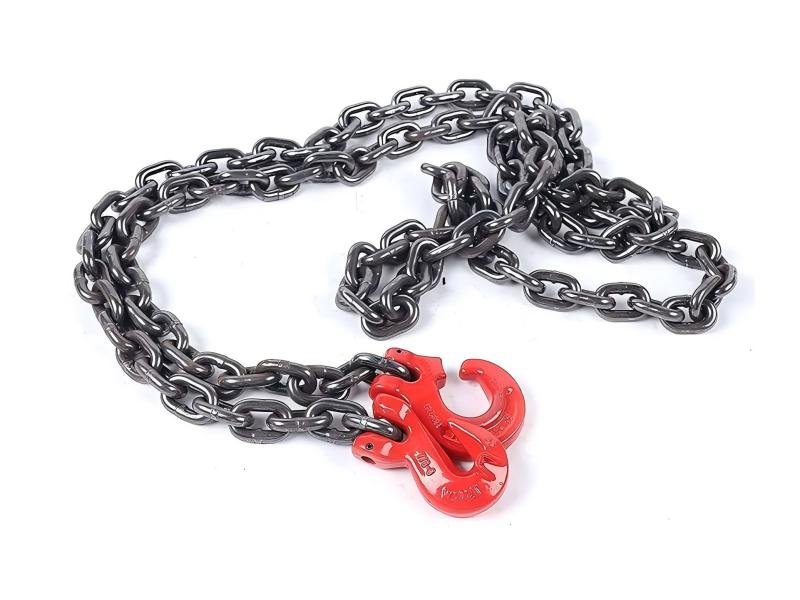
- Clevis Grab Hook – Designed for shortening chain length and secure chain engagement.
- Clevis Slip Hook – Allows chain movement and is suitable for general lifting and towing.
- Clevis Self-Locking Hook – Features an automatic locking latch for enhanced safety.
- Clevis Foundry Hook – Commonly used in industrial and construction environments.
Choose a hook grade that matches the working load requirements:
| Chain Grade | Typical Hook Grade |
| Grade 70 | Grade 70 Hook |
| Grade 80 | Grade 80 Hook |
| Grade 100 | Grade 100 Hook |
| Grade 120 | Grade 120 Hook |
Never mix lower-grade hooks with higher-grade chains.
Check Compatibility with Clevis Mounts
Verify that:
- Hook clevis opening matches chain size.
- Pin diameter matches the hook specifications.
- Working Load Limit (WLL) meets or exceeds the intended load.
- All components come from reputable manufacturers and comply with applicable standards.
Gather Tools and Safety Gear
Required Tools for Installation
Depending on hook design, you may need:
- Adjustable wrench
- Needle-nose pliers
- Hammer or mallet
- Punch tool
- Torque wrench (if specified)
- Measuring calipers
Personal Protective Equipment (PPE)
Always wear:
- Safety glasses
- Work gloves
- Steel-toe boots
- High-visibility clothing when required
Inspect Components Before Installation
Examine the Hook and Pin
Check for:
- Cracks
- Corrosion
- Excessive wear
- Bent or distorted hook body
- Damaged safety latch
- Pin deformation or thread damage
Do not install damaged components.
Inspect the Chain or Attachment Point
Verify:
- No twisted chain links
- No stretched or elongated links
- No severe corrosion
- No visible cracks or weld defects
- Proper chain grade identification
How to Install a Clevis Hook
Step 1: Align the Hook and Chain Link
- Position the clevis hook at the end of the chain.
- Align the chain end link between the clevis ears.
- Ensure the chain link sits freely without binding.
Avoid forcing oversized chain links into the clevis opening.
Step 2: Insert the Clevis Pin and Secure It
- Insert the clevis pin through one side of the hook.
- Pass the pin through the chain end link.
- Continue inserting until the pin passes through the opposite side.
Secure the pin using the specified retention method:
- Cotter pin
- Roll pin
- Snap ring
- Lock nut
- Manufacturer-supplied retaining mechanism
Follow the manufacturer’s instructions for pin retention.
Step 3: Verify Proper Assembly
Ensure:
- Pin is fully seated.
- Retaining device is properly installed.
- Chain moves freely.
- Hook is not twisted.
- Safety latch operates correctly.
Final Safety Check
Double-Check Connections
Confirm that:
- All pins are secure.
- Hook and chain grades are compatible.
- WLL markings remain visible.
- No component shows signs of damage.
Test with a Light Load
Before full operation:
- Apply a small test load.
- Observe the hook and chain assembly.
- Check for movement, misalignment, or unusual deformation.
- Verify latch functionality under load.
Only proceed to full working loads after a successful test.
Common Mistakes to Avoid
Avoid these installation errors:
- Using mismatched hook and chain sizes.
- Mixing different chain grades.
- Installing worn or damaged pins.
- Failing to secure the retaining pin.
- Side-loading the hook.
- Exceeding the Working Load Limit.
- Using a hook with a bent safety latch.
- Ignoring periodic inspections.
These mistakes can significantly reduce lifting safety and increase the risk of failure.
Conclusion
Proper clevis hook installation is critical for safe lifting and rigging operations. By selecting compatible components, inspecting equipment thoroughly, installing the clevis pin correctly, and performing final safety checks, operators can maximize safety, reliability, and service life. Always follow manufacturer recommendations and applicable industry standards when installing and using clevis hooks.
FAQs About clevis hook installation
Select a clevis hook designed for the exact chain size and grade being used. The hook's Working Load Limit should be equal to or greater than the load requirements.
No. Cotter pins are generally considered single-use components. Replace them with new cotter pins whenever the hook assembly is disassembled.
A grab hook is designed to engage a chain link securely and shorten chain length, while a slip hook allows the chain to move freely through the hook for more flexible rigging applications.
Perform a visual inspection before each use and conduct periodic detailed inspections according to manufacturer recommendations, usage frequency, and applicable standards such as ASME B30.9 and OSHA requirements.