An anchor chain is one of the most critical components of a boat’s anchoring system. It connects the anchor to the vessel, absorbs shock loads, and helps maintain holding power in changing weather and water conditions. Over time, exposure to saltwater, abrasion, and heavy loads can weaken the chain, making regular inspection and timely replacement essential for safe boating.
This guide explains when to replace an anchor chain, how to inspect it, and how proper maintenance can maximize its service life.
- Inspect anchor chains regularly for corrosion, wear, deformation, and cracks.
- Replace chains that have significant material loss or structural damage.
- Saltwater exposure and frequent use can accelerate chain deterioration.
- Loss of galvanization often indicates the need for refurbishment or replacement.
- Regular maintenance can significantly extend anchor chain lifespan.
- Always prioritize safety over extending the life of a questionable chain.
When to Replace Anchor Chain: Key Signs
Corrosion and Rust
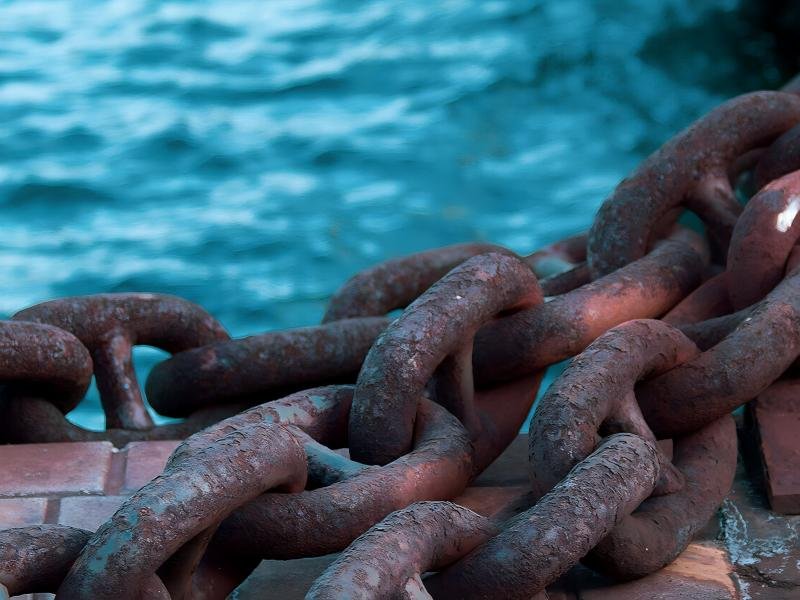
Corrosion is one of the most common causes of anchor chain failure.
Watch for:
- Heavy rust buildup
- Pitting corrosion
- Deep surface cavities
- Flaking metal
- Severe discoloration
Surface rust is normal and often manageable, but deep corrosion can significantly reduce chain strength.
Replace the Chain If:
- Corrosion has penetrated deeply into the metal.
- Link cross-sections are noticeably reduced.
- Pitting is widespread throughout the chain.
Thinning or Worn Links
Anchor chains experience constant abrasion from:
- Seabeds
- Windlasses
- Rollers
- Fairleads
- Docking operations
Over time, links become thinner due to wear.
Warning Signs
- Flat spots on links
- Reduced link diameter
- Uneven wear patterns
- Excessive polishing on contact areas
A significant reduction in link thickness can greatly decrease load capacity.
Deformation or Cracks
Mechanical damage may occur from:
- Shock loading
- Snagging on underwater obstacles
- Improper handling
- Excessive anchoring loads
Look for:
- Bent links
- Twisted links
- Elongated links
- Visible cracks
- Weld defects
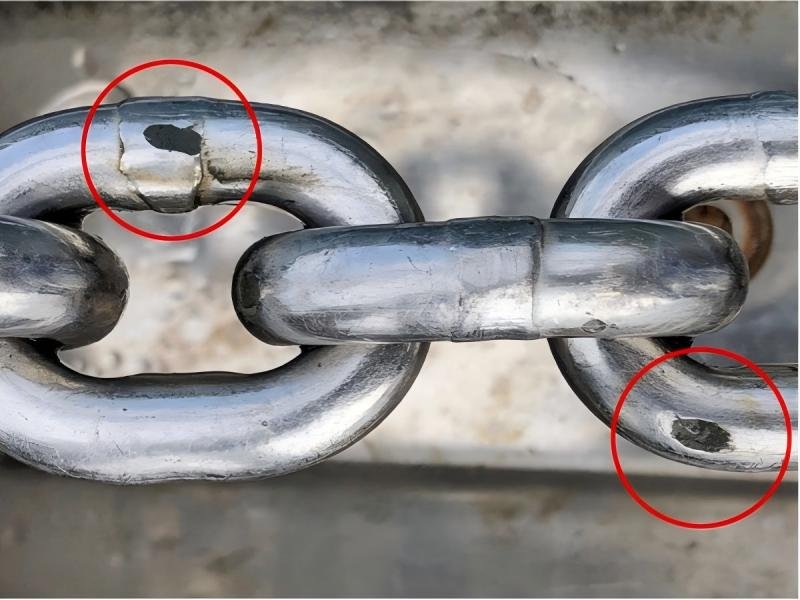
Any cracked chain link should be considered unsafe and replaced immediately.
Loss of Galvanization
Most anchor chains used in marine environments are hot-dip galvanized for corrosion protection.
Signs of coating loss include:
- Large bare steel areas
- Accelerated rust formation
- Uneven coating wear
- Peeling or damaged galvanized surfaces
If galvanization has worn away extensively, consider re-galvanizing or replacing the chain depending on its condition.
Chain Age and Usage
Even well-maintained chains eventually reach the end of their service life.
Factors affecting lifespan include:
- Saltwater exposure
- Mooring frequency
- Vessel size
- Weather conditions
- Bottom composition
- Maintenance practices
A chain used daily in saltwater conditions will wear much faster than one used occasionally in freshwater.
Inspection and Replacement Frequency
How Often to Inspect
Perform:
Before Each Voyage
- Visual inspection
- Check for obvious damage
- Verify proper operation through the windlass
Monthly During Heavy Use
- Inspect high-wear sections
- Check galvanized coating condition
- Examine connecting hardware
Annually
- Conduct a detailed inspection of the entire chain length
- Measure link wear
- Inspect shackles and connectors
Replacement Intervals
There is no universal replacement schedule because conditions vary widely.
Typical guidelines:
| Usage Level | Typical Replacement Consideration |
| Light Recreational Use | 8–15 Years |
| Moderate Coastal Use | 5–10 Years |
| Heavy Saltwater Use | 3–7 Years |
| Commercial Service | Based on inspection results |
Always replace based on condition rather than age alone.
Factors Affecting Lifespan
Several factors influence how long an anchor chain lasts:
- Saltwater exposure
- Chain grade
- Galvanization quality
- Bottom conditions
- Windlass compatibility
- Storage practices
- Frequency of anchoring
Proper maintenance can significantly increase service life.
How to Inspect Anchor Chains?
Visual Checks
Lay out the chain and inspect every section.
Look for:
- Rust
- Corrosion
- Cracks
- Deformed links
- Excessive wear
- Missing galvanization
Pay special attention to sections that regularly pass through the windlass.
Measuring Wear
Use calipers to measure link diameter.
Compare measurements with original specifications.
A significant reduction in diameter indicates material loss and reduced strength.
Areas to Measure
- Crown of the link
- Bearing surfaces
- Contact points with windlass gypsy
Document measurements to track wear over time.
Spotting Weak Points
The most heavily worn sections often include:
- First few meters nearest the anchor
- Chain sections passing through the windlass
- Areas near shackles and connectors
- Frequently loaded portions of the rode
These locations deserve extra attention during inspections.
Professional Inspection
For larger vessels or commercial operations, consider professional evaluation.
Professional inspections may include:
- Detailed wear measurements
- Non-destructive testing (NDT)
- Magnetic particle inspection
- Load testing
- Galvanization assessment
Professional inspections help identify issues that may not be visible during routine checks.
Maintenance Tips for Longer Life
Cleaning and Storage
After use:
- Rinse the chain thoroughly with fresh water.
- Remove mud, sand, and debris.
- Allow the chain to dry whenever possible.
- Store in a well-ventilated chain locker.
Keeping the chain clean reduces corrosion and wear.
Protective Coatings
Protective measures may include:
- Hot-dip galvanizing
- Marine-grade coatings
- Corrosion inhibitors
Re-galvanizing can often extend service life if the chain remains structurally sound.
Regular Checks
Routine maintenance should include:
- Chain inspection
- Shackle inspection
- Swivel inspection
- Windlass inspection
- Anchor connection verification
A complete anchoring system inspection is safer than evaluating the chain alone.
Using Powerful Machinery Chains
Powerful Machinery supplies marine chains manufactured to meet demanding marine and industrial requirements.
Benefits include:
- High-strength steel construction
- Consistent dimensional accuracy
- Corrosion-resistant finishes
- Reliable performance in marine environments
- Suitable options for recreational and commercial applications
Selecting a quality chain can improve both safety and long-term durability.
Conclusion
Knowing when to replace an anchor chain is essential for safe boating. Corrosion, wear, deformation, cracks, and loss of galvanization are all indicators that a chain may no longer be safe. Regular inspections, accurate wear measurements, and proper maintenance help ensure reliable anchoring performance while extending the service life of the chain. When in doubt, replacing a questionable anchor chain is far less costly than risking anchoring failure.
FAQs About Anchor Chain
Inspect it for corrosion, excessive wear, cracks, deformation, and loss of galvanization. If significant material loss or structural damage is present, replace the chain immediately.
Yes. Studless anchor chains are commonly used in marine environments, provided they are properly galvanized or manufactured from corrosion-resistant materials and maintained regularly.
Use calipers to measure the diameter of several chain links, particularly in high-wear areas, and compare the measurements with the original specifications provided by the manufacturer.
Rinse the chain with fresh water, remove debris, allow it to dry when possible, and store it in a clean, ventilated chain locker to minimize corrosion.
Powerful Machinery anchor chains are manufactured with high-strength materials, consistent quality control, corrosion-resistant finishes, and reliable performance for marine and industrial applications.