In lifting, rigging, material handling, and industrial applications, preventing load twisting and ensuring proper load alignment are critical for safety and efficiency. Two common devices used for this purpose are ball bearing swivels and positioning swivels. While both allow rotation, they are designed for different operating conditions and load requirements.
What Is a Ball Bearing Swivel?
A ball bearing swivel is a swivel fitting that incorporates ball bearings to enable smooth rotation under load.
How It Works
The internal ball bearings reduce friction between rotating components, allowing the load to turn freely even while suspended.
Key Features
- Smooth 360° rotation
- Low rotational resistance
- Suitable for continuous movement
- Helps prevent wire rope, chain, or lifting slings from twisting
- Often used in dynamic lifting applications
Common Applications
- Crane lifting operations
- Offshore and marine lifting
- Wire rope assemblies
- Recovery and towing equipment
- Heavy-duty fishing and rigging systems
- Rotating suspended loads
Advantages
- Extremely smooth rotation
- Reduced wear on ropes and slings
- Improved load control
- Longer service life in rotating applications
Limitations
- More expensive than standard swivels
- Requires proper maintenance and lubrication
- Not all bearing swivels are designed for side loading
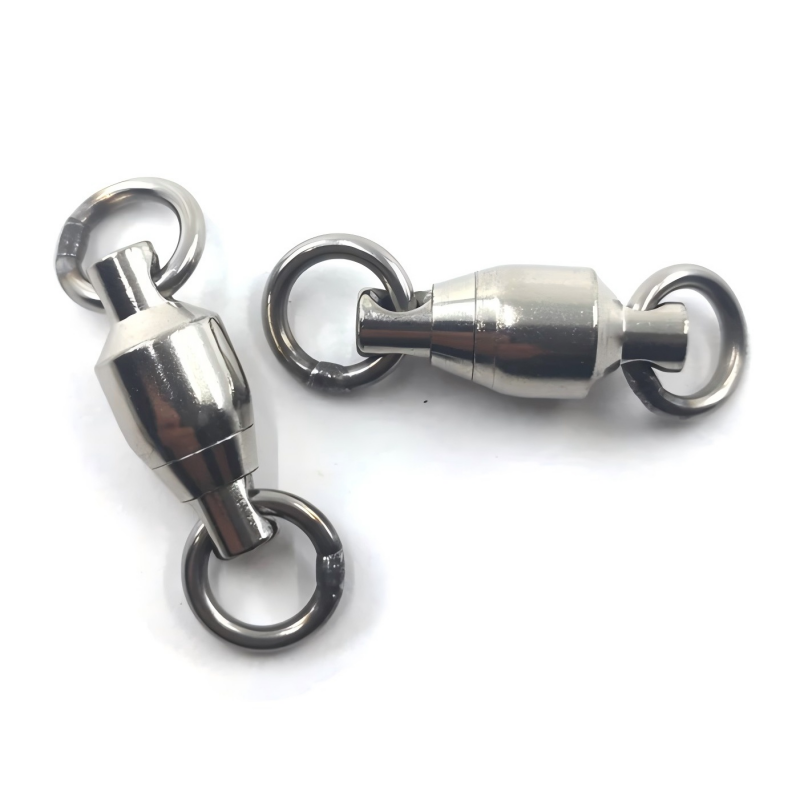
What Is a Ball Bearing Swivel?
A positioning swivel is designed to allow a load or attachment point to be rotated into the desired orientation and then held securely in position.
How It Works
Unlike a free-spinning bearing swivel, a positioning swivel is intended primarily for alignment rather than continuous rotation. Once the load is positioned correctly, the swivel maintains the orientation.
Key Features
- Allows load alignment
- Prevents improper side loading
- Maintains desired orientation
- Designed for static or occasional rotation
Common Applications
- Swivel hoist rings
- Lifting points on machinery
- Mold and die handling
- Equipment installation
- Construction lifting operations
- Heavy machinery maintenance
Advantages
- Improves load alignment
- Reduces stress on lifting hardware
- Enhances lifting safety
- Handles angular loading better than fixed lifting points
Limitations
- Not intended for continuous spinning
- Rotational movement may be limited
- Generally less smooth than bearing swivels
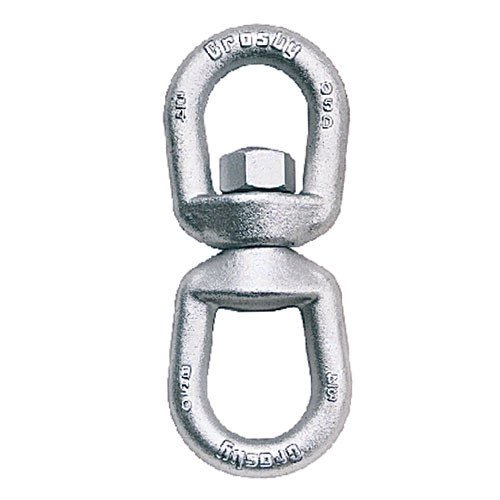
Ball Bearing Swivel vs. Positioning Swivel
| Feature | Ball Bearing Swivel | Positioning Swivel |
| Primary Purpose | Continuous rotation | Load alignment |
| Internal Bearings | Yes | Sometimes |
| Rotation Under Load | Excellent | Limited |
| Friction | Very low | Moderate |
| Dynamic Loads | Ideal | Generally not preferred |
| Static Lifts | Good | Excellent |
| Common Use | Cranes, rigging, wire rope | Hoist rings, lifting points |
Choosing the Right Swivel
Choose a ball bearing swivel when:
- The load needs to rotate freely.
- Twisting of ropes or slings is a concern.
- Continuous movement occurs during lifting.
Choose a positioning swivel when:
- Load orientation must be adjusted before lifting.
- The lifting point needs to align with the direction of pull.
- Preventing side loading is a priority.
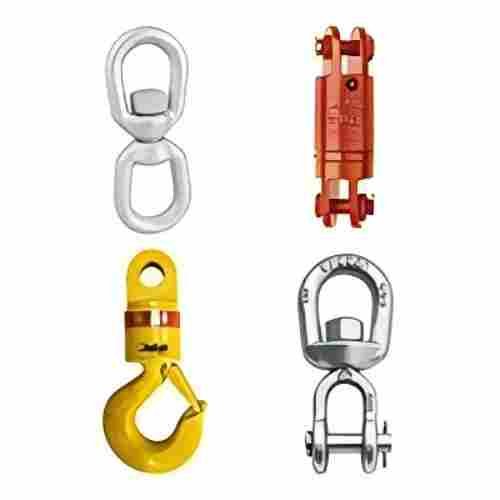
Safety Considerations
Before using any swivel device:
- Verify the Working Load Limit (WLL).
- Check manufacturer side-load ratings.
- Inspect bearings, pins, and locking components regularly.
- Never exceed rated capacity.
- Ensure the swivel is designed for the specific lifting application.
FAQs About Ball Bearing and Positioning Swivels
Yes, but only if it is specifically rated for lifting and the load remains within its working load limit.
Most do. Periodic inspection and lubrication help ensure smooth operation and long service life.
Generally no. They are intended for positioning and alignment rather than continuous rotation.
No. They are used when load rotation, alignment, or twist prevention is necessary.