Wire rope clips (also called wire rope clamps, cable clamps, or wire rope grips) are widely used to form eyes, secure wire rope ends, and make temporary or permanent terminations in lifting, rigging, marine, construction, and Oil & Gas applications.
Improper clip selection or installation is one of the leading causes of wire rope failures.
What Is a Wire Rope Clip?
A wire rope clip is a mechanical device used to secure the dead end of a wire rope back to the live end, forming a loop or eye.
Typical components include:
- U-bolt
- Saddle
- Nuts
or other specialized gripping mechanisms depending on the design.
Common Types of Wire Rope Clips
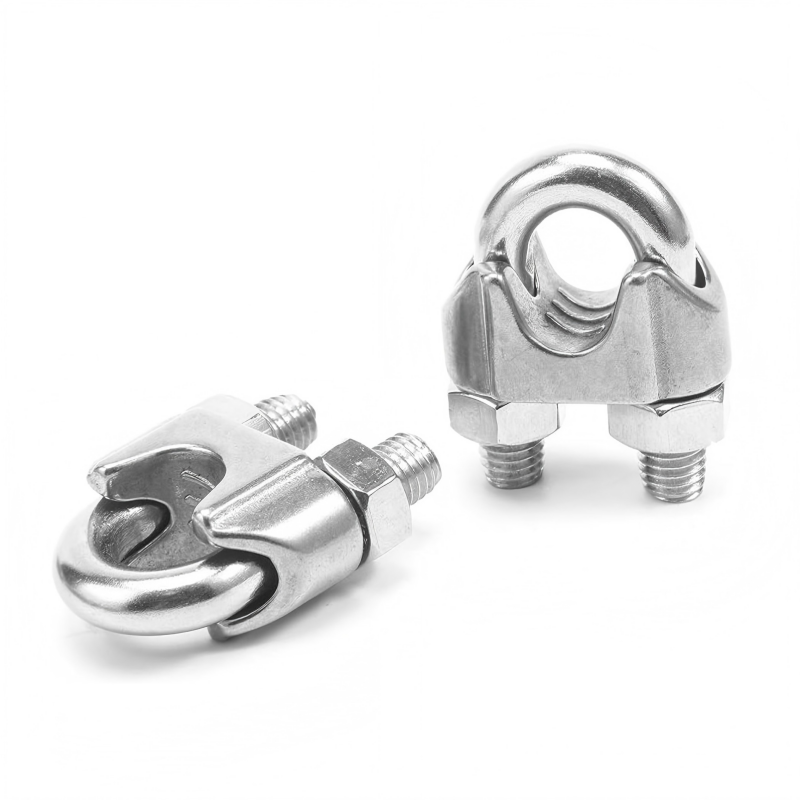
1. U-Bolt Wire Rope Clip
Features
- Most common design
- Consists of:
- U-bolt
- Saddle
- Two nuts
Applications
- General rigging
- Construction
- Marine applications
- Temporary wire rope terminations
Advantages
- Low cost
- Easy installation
- Widely available
Limitations
- Improper installation can significantly reduce rope strength
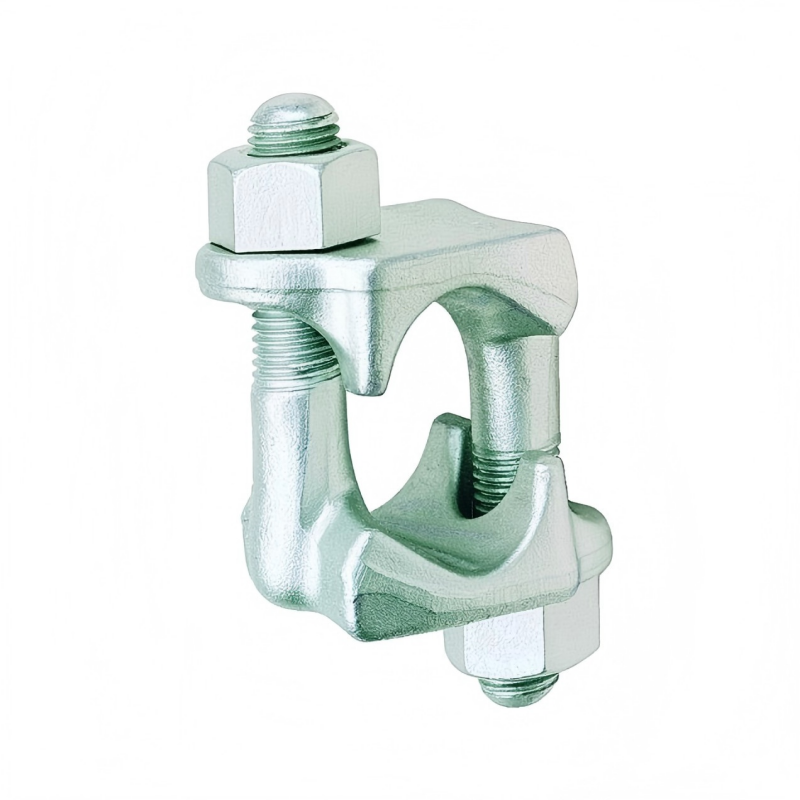
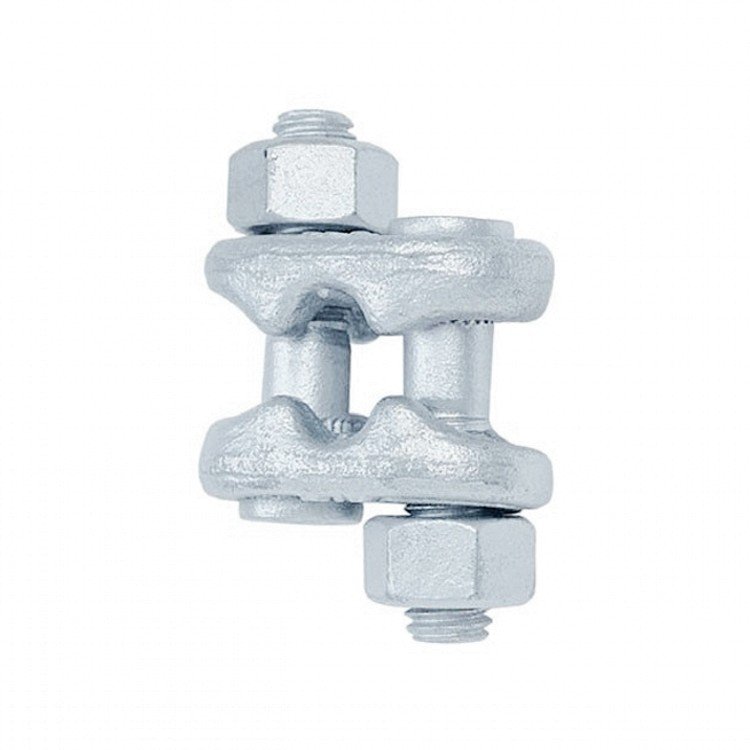
2. Fist Grip Wire Rope Clip
Features
- Two grooved saddles
- Bolted together
Applications
- Large diameter wire ropes
- Mining
- Offshore lifting
- Heavy industrial rigging
Advantages
- Easier installation
- Less chance of incorrect assembly
- Better load distribution
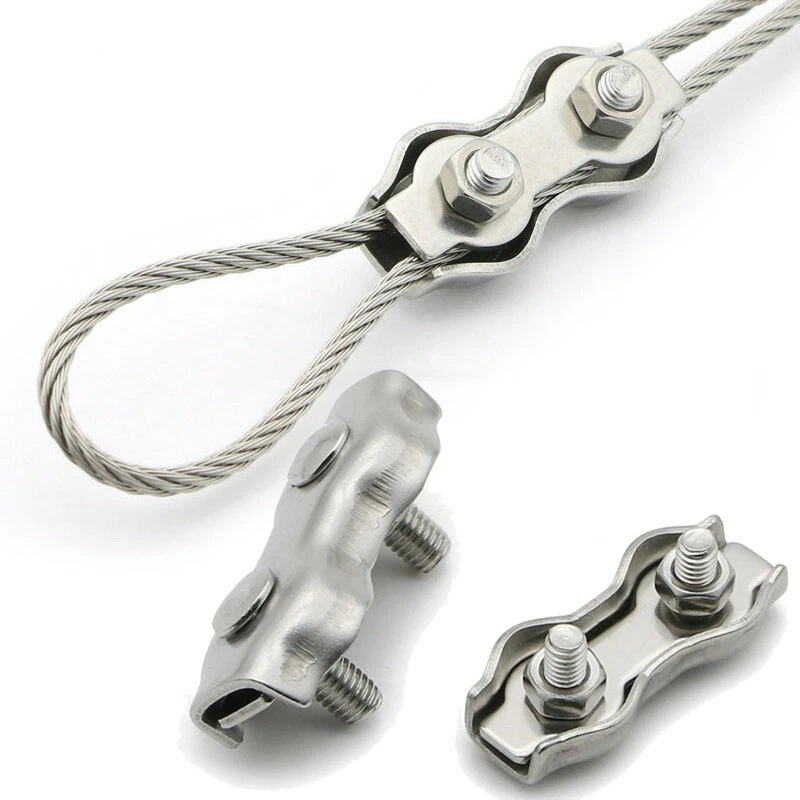
3. Double Saddle Wire Rope Clip
Features
- Two saddles
- No U-bolt
Applications
- Guardrails
- Architectural cables
- Non-critical rigging
Advantages
- Avoids crushing wire rope
Limitations
- Generally not recommended for critical overhead lifting
4. Duplex Wire Rope Clip
Features
- Two hex nuts
- Often made from stainless steel
Applications
- Marine environments
- Architectural cable systems
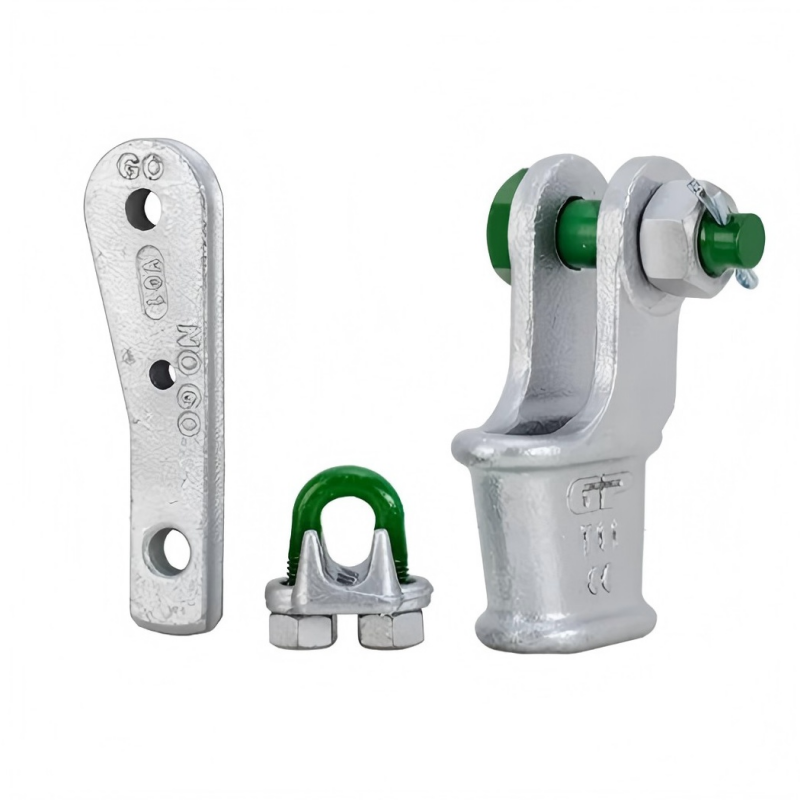
5. Wedge Socket (Alternative Termination)
Although technically not a wire rope clip, wedge sockets are frequently used instead of clips for:
- Cranes
- Offshore lifting
- Permanent lifting systems
because they provide higher efficiency and reliability.
Correct Installation Method
The Golden Rule
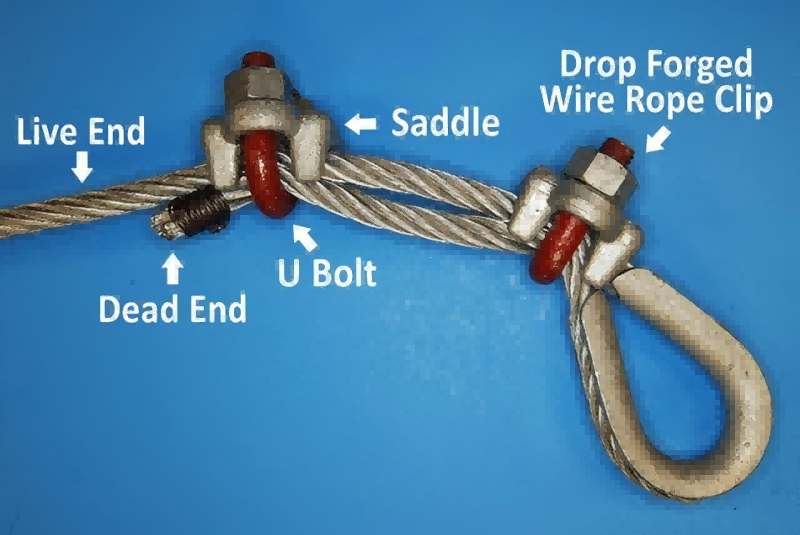
Never Saddle a Dead Horse
This is the most important rule in wire rope clip installation.
The:
- Saddle goes on the live end
- U-bolt goes on the dead end
Correct installation:
Incorrect installation can reduce rope efficiency dramatically.
How to Select the Correct Wire Rope Clip
Typical Installation Steps
| Step | Installation Procedure | Key Requirements | Common Risks if Ignored |
| Step 1 | Form the Wire Rope Eye | Create the required loop (eye) in the wire rope. Use a thimble whenever possible to prevent rope deformation and wear. | Eye deformation, excessive wear, reduced service life. |
| Step 2 | Install the First Clip Near the Thimble | Position the first wire rope clip as close as possible to the thimble. Ensure correct orientation of the clip. | Reduced holding power, rope slippage. |
| Step 3 | Install Remaining Clips at Proper Spacing | Install additional clips according to the manufacturer’s recommendations. Typical spacing is approximately 6 脳 the rope diameter. | Uneven load distribution, reduced termination efficiency, clip failure. |
| Step 4 | Torque Nuts to Specified Values | Tighten all nuts to the manufacturer’s specified torque values. | Under-tightening: Rope slippage. |
| Over-tightening: Rope crushing and strand damage. | |||
| Step 5 | Apply Initial Load | Apply an initial proof load to seat the wire rope and clips properly. | Clips may loosen after loading if proof loading is skipped. |
| Step 6 | Retorque All Clips | After proof loading, retighten all clips to the specified torque. Wire ropes settle during loading. | Loss of clamping force, rope slippage, premature failure. |
How Many Clips Are Required?
Typical minimum values:
| Rope Diameter | Minimum Clips |
| 1/4″ | 2 |
| 3/8″ | 2 |
| 1/2″ | 3 |
| 5/8″ | 3 |
| 3/4″ | 4 |
| 1″ | 5 |
| 1-1/4″ | 6 |
Always follow the manufacturer’s instructions.
Common Installation Mistakes
| No. | Common Installation Mistake | Description | Potential Consequences |
| 1 | Saddle on Dead End | The U-bolt is incorrectly installed on the live end and the saddle on the dead end. This is the most common installation error. | • Rope crushing |
| • Reduced termination efficiency | |||
| • Premature wire rope failure | |||
| 2 | Insufficient Number of Clips | Fewer wire rope clips are used than required by the manufacturer or applicable standards. | • Rope slippage |
| • Wire rope pullout | |||
| • Load loss | |||
| 3 | Incorrect Clip Spacing | Clips are installed either too close together or too far apart. | Too Close: Uneven load distribution. |
| Too Far Apart: Reduced holding power and lower termination efficiency. | |||
| 4 | Failure to Retorque After Loading | Clips are not retightened after the initial proof load is applied. Wire ropes naturally settle during loading. | • Nuts loosen over time |
| • Loss of clamping force | |||
| • Rope slippage | |||
| 5 | Over-Tightening the Nuts | Excessive torque is applied beyond the manufacturer’s recommendations. | • Damage to wire strands |
| • Reduced fatigue life | |||
| • Lower rope efficiency | |||
| 6 | Using Malleable Cast Clips for Lifting | Malleable cast clips are used in overhead lifting applications instead of forged clips. | • Lower strength |
| • Increased risk of failure | |||
| • Non-compliance with lifting standards | |||
| 7 | No Thimble Used | The wire rope eye is formed without a thimble. | • Eye deformation |
| • Increased wire rope wear | |||
| • Reduced service life | |||
| 8 | Reusing Damaged Clips | Clips showing cracks, corrosion, thread damage, or deformation are reused. | • Reduced holding capacity |
| • Unexpected failure | |||
| • Serious safety hazards |
Wire Rope Clip Efficiency
Approximate termination efficiencies:
| Termination Type | Efficiency |
| U-Bolt Clips | 75–85% |
| Fist Grip Clips | 80–90% |
| Swaged Socket | 95–100% |
| Poured Socket | 100% |
| Wedge Socket | 80–90% |
This is why critical crane and offshore applications often use sockets rather than clips.
Standards
Common standards include:
- ASME B30.26
- OSHA lifting regulations
- EN 13411
- DIN 741
FAQs About Wire rope clips
The U-bolt wire rope clip is the most widely used type worldwide.
It means the saddle must be installed on the live end of the rope, while the U-bolt must be placed on the dead end.
Yes, but only when:
- Properly installed
- Correctly sized
- Forged and rated for lifting service
Poured sockets and swaged sockets generally provide the highest termination efficiency, approaching 100% of the rope's rated strength.