
Related products
-
-
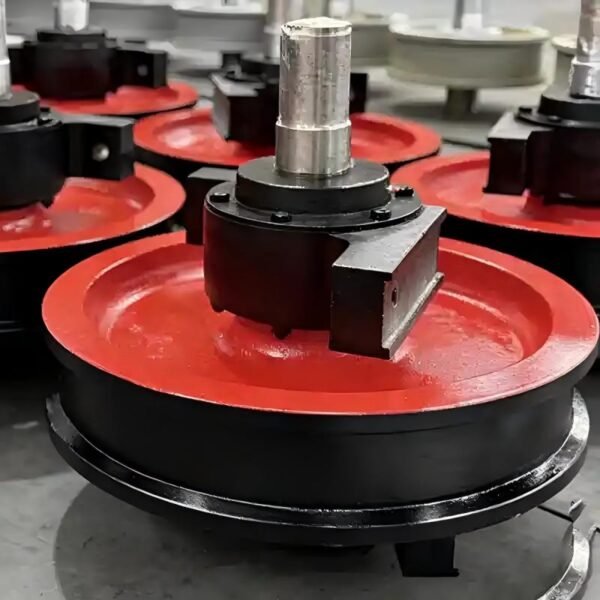 Crane Wheels
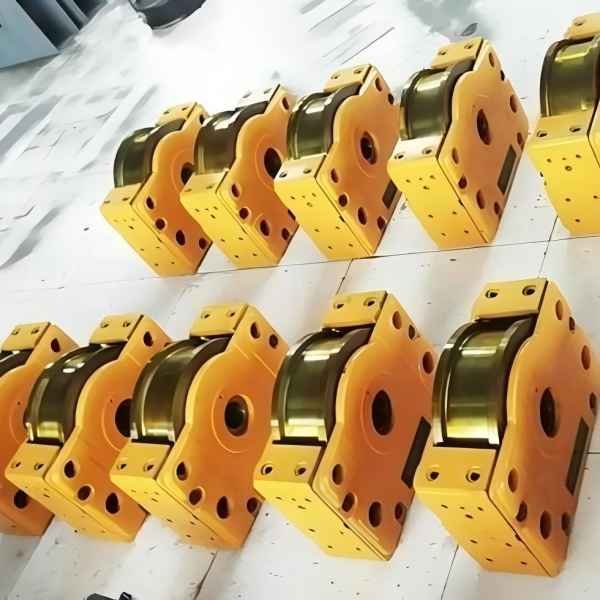
Crane Wheel Block Assembly
-
 Crane Wheels
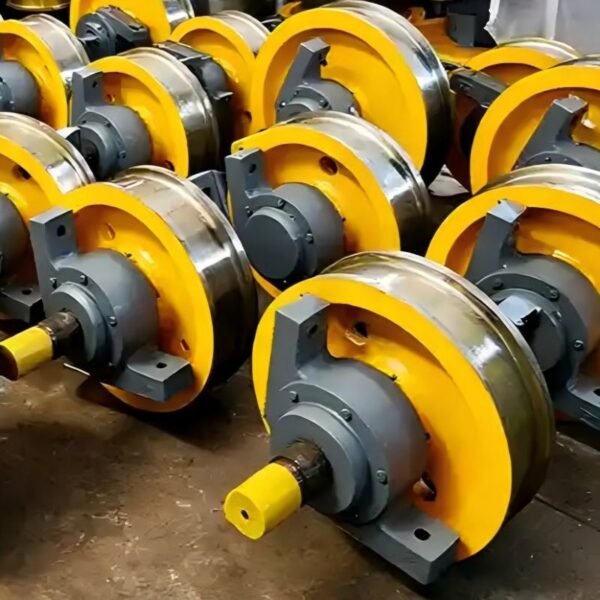
Flanged Wheels for Crane & Rail Systems
-
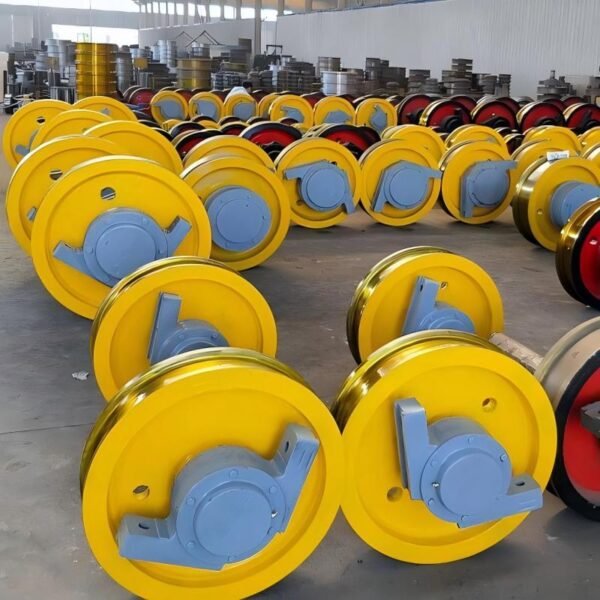 Crane Wheels
Crane Wheels & Trolley Wheels
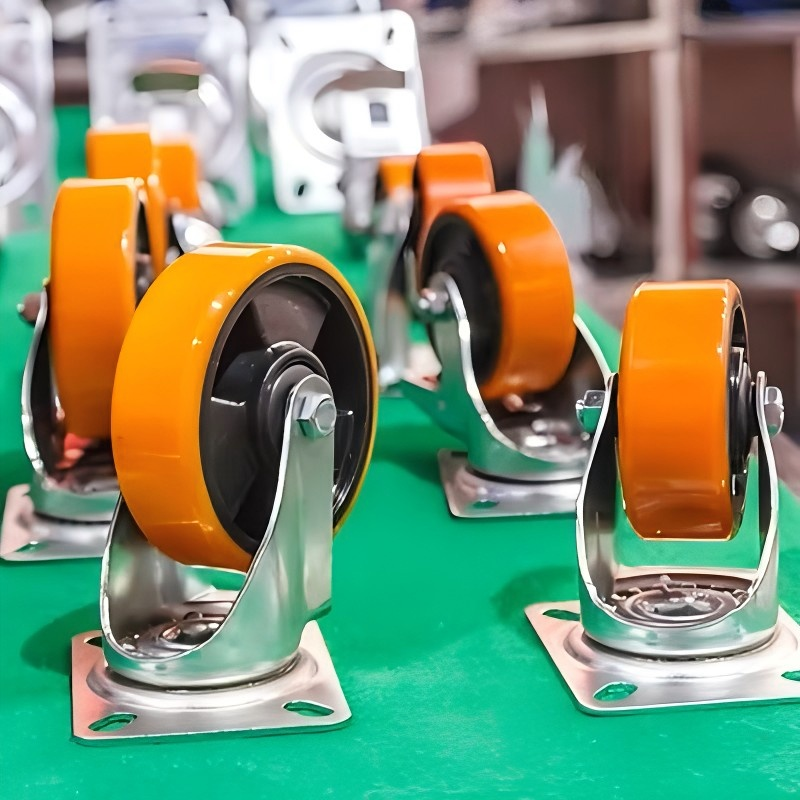
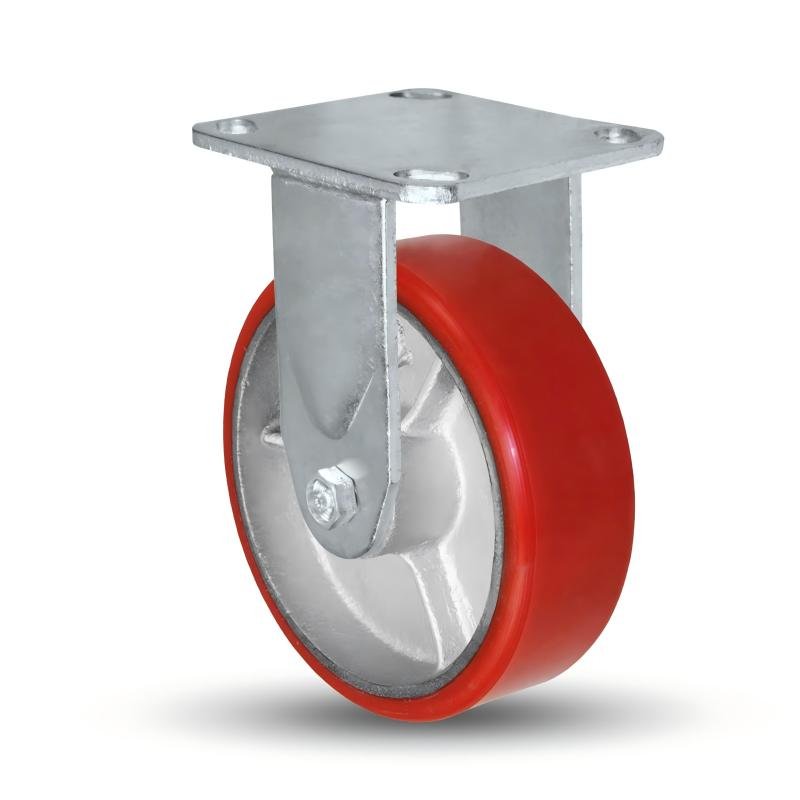
MecBase polyurethane wheels are metal-core wheels coated with high-quality polyurethane, designed to improve traction, reduce noise, and enhance durability in conveying and material handling systems.
By combining the strength of steel with the elasticity of polyurethane, these wheels provide smoother movement, better grip, and reduced wear on both the wheel and contact surfaces. They are widely used in conveyor systems, cranes, forklifts, and rail-guided transport equipment.
Polyurethane wheels are especially suitable for applications requiring stable operation, reduced vibration, and protection of floors and equipment surfaces.
| Parameter | Specification |
| Wheel Diameter | 100–500 mm (customizable) |
| Wheel Width | 30–150 mm (customizable) |
| Load Capacity (Per Wheel) | 0.5 – 10 tons (depending on design) |
| Core Material | Steel / Cast Steel |
| Coating Material | Polyurethane Elastomer |
| Polyurethane Thickness | 5–50 mm (customizable) |
| Hardness | 85–95 Shore A (optional Shore D) |
| Temperature Range | -20°C to +80°C (custom high-temp grades available) |
| Bore Type | Plain Bore / Keyway / Bearing Mounted |
| Surface Finish | Smooth / Grooved / Coated |
✔ Increased Traction & Stability
Polyurethane coating increases friction between the wheel and surface, reducing slipping and improving operational control.
✔ Low Noise & Smooth Operation
Elastic material reduces vibration and noise, ensuring quieter and smoother system performance.
✔ Extended Service Life
The coating protects the wheel core from wear, extending service life and reducing maintenance frequency.
✔ Floor & Surface Protection
Compared to metal wheels, polyurethane reduces damage to workshop floors, rails, and equipment.
✔ High Wear Resistance
Polyurethane offers excellent abrasion resistance under continuous industrial use.
Polyurethane wheels are available in different configurations depending on coating material, structural design, and application requirements. Selecting the right type ensures optimal performance in terms of load capacity, noise reduction, and durability.
Structure:
Steel or cast steel core with a bonded polyurethane outer layer.
Key Features:
Advantages:
Typical Applications:
👉 Most widely used type in industrial applications
Structure:
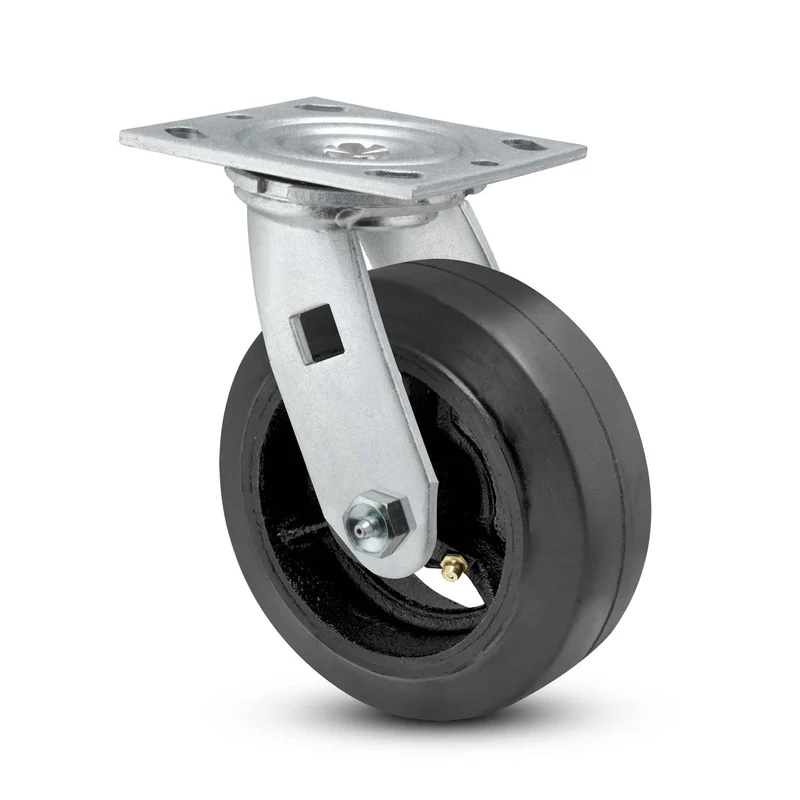
Metal core with rubber coating (softer than polyurethane).
Key Features:
Advantages:
Limitations:
Typical Applications:
Structure:
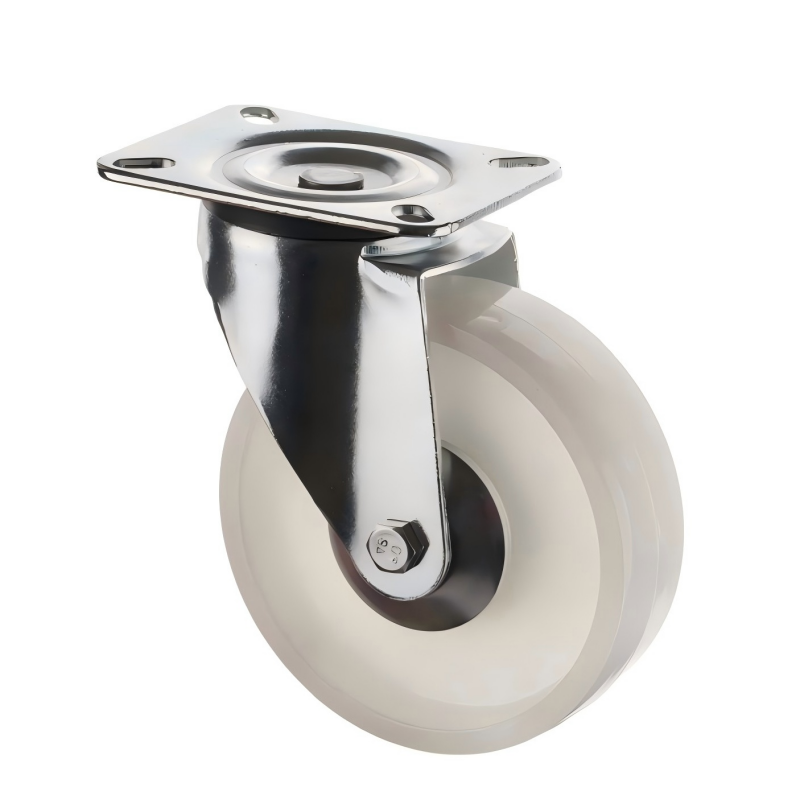
Solid nylon (polyamide) wheel without coating.
Key Features:
Advantages:
Limitations:
Typical Applications:
Polyurethane wheels are widely used in:
These wheels are ideal for applications where traction, noise reduction, and surface protection are critical.
Core Material
Coating Material
Production Process
This ensures strong bonding, high dimensional accuracy, and reliable performance.
| Feature | Polyurethane Wheels | Steel Wheels |
| Noise Level | Low | High |
| Surface Protection | Excellent | Poor |
| Shock Absorption | High | Low |
| Wear Resistance | High | Very High |
| Load Capacity | Medium | Very High |
If you are looking for:
👉 Contact MecBase today for professional technical support and competitive pricing.
Polyurethane wheels are metal-core wheels coated with polyurethane to improve traction, reduce noise, and protect surfaces.
They are commonly used in conveyors, forklifts, cranes, and logistics transport systems.
Yes, they offer excellent wear resistance and long service life under proper operating conditions.
Yes, MecBase provides full customization based on drawings, samples, and application requirements.
We use cookies to ensure our website works properly, understand how visitors use our site, and improve your experience. You can accept all cookies, reject non-essential cookies, or manage your preferences.