In modern construction, efficiency and quality are paramount. Enter the Gypsum Spray Machine—a revolutionary piece of equipment that transforms traditional plastering into a fast, precise, and highly efficient process. Whether for interior walls, ceilings, or specialized coatings, this machine ensures consistent results while significantly reducing labor and material waste. But how does it work, and what should you know before using or purchasing one? This comprehensive guide explores everything from its core principles and applications to practical tips for optimal performance.
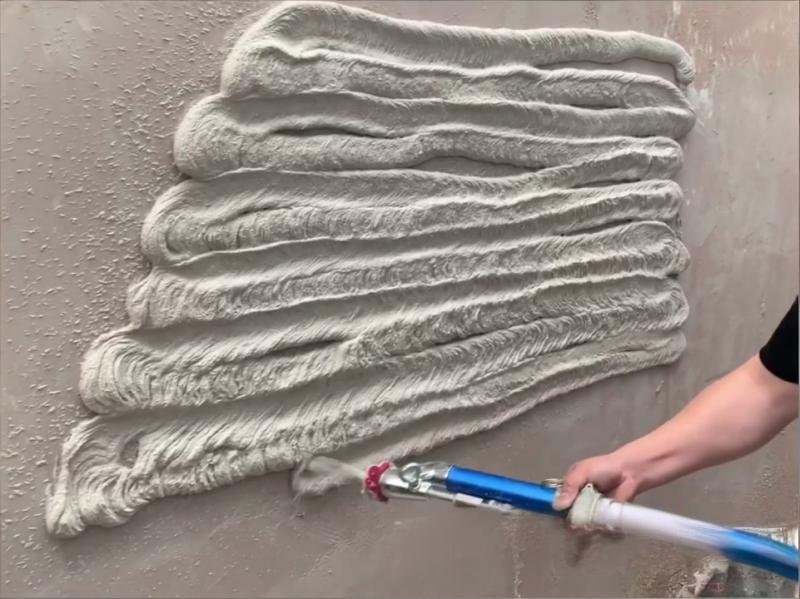
What is a Gypsum Spray Machine?
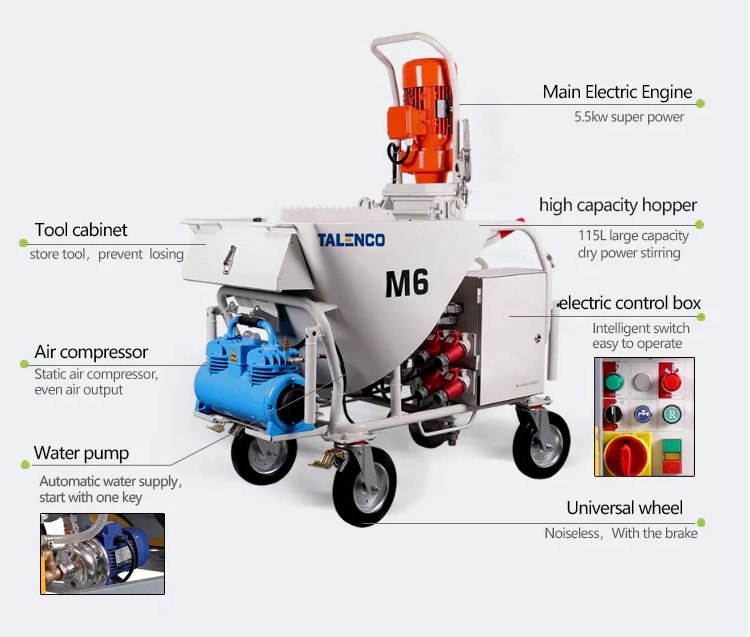
A Gypsum Spray Machine is specialized construction equipment designed to transport and spray gypsum-based materials (such as gypsum mortar or gypsum coatings) onto walls, ceilings, and other surfaces using high-pressure air. It represents an upgrade from traditional manual plastering to mechanized spraying.
Primary Working Principle (Using the Most Common Pneumatic Type as an Example)
The core process is “wet spraying,” where the material is already in slurry form after mixing.
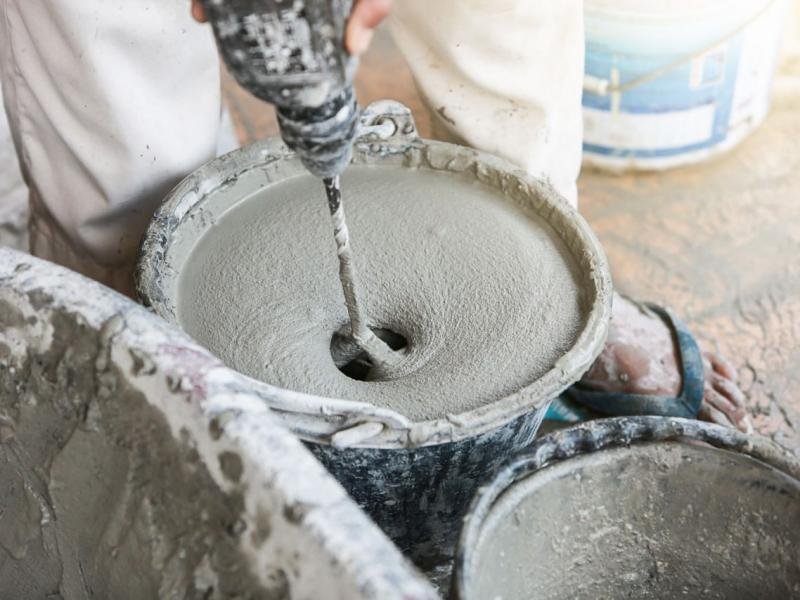
- Material Preparation: Gypsum powder and water are mixed in a hopper to form a uniform slurry.
- Pumping and Pressurization: The slurry is drawn into the machine’s pumping system (typically a screw or piston pump) and pressurized.
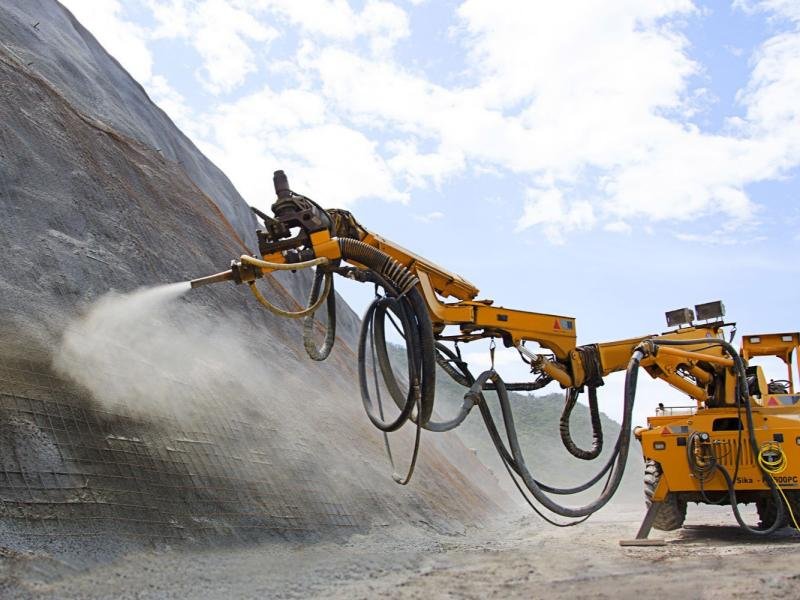
- Spraying and Atomization: The high-pressure slurry travels through a hose to a spray gun, where it mixes with compressed air at the nozzle, atomizing into a fine mist.
- Forming: The atomized slurry impacts the surface at high speed, forming an even and dense gypsum layer.
Main Types
- Pneumatic Sprayers:
- Use compressed air for power, providing excellent atomization and even coating.
- Relatively simple structure, easy to clean.
- Suitable for medium-to-large projects and applications requiring fine atomization.
- Screw Extrusion Sprayers:
- Utilize a screw pump for high-pressure output and long-distance material delivery.
- High spraying efficiency and denser slurry application.
- Ideal for large-scale, continuous, high-intensity construction.
Key Features and Advantages
- High Efficiency: Spraying speed is 5–10 times faster than manual plastering, significantly reducing project timelines.
- High Quality:
- The impact force enhances adhesion between the coating and the substrate.
- Continuous, seamless coating with high density, reducing hollowing and cracking.
- Easy control over surface flatness.
- Material Savings: Minimizes material waste from spillage and allows precise thickness control.
- Reduced Labor Intensity: Eliminates much of the manual handling, feeding, and leveling work.
Primary Applications
- Interior Wall Plastering: Gypsum mortar undercoating for residential, office, and commercial spaces.
- Ceiling Construction: Efficient application of gypsum base layers on large ceilings.
- Insulation Systems: Spraying gypsum-based insulating mortar.
- Restoration and Decoration: Old wall restoration, base shaping for special designs (e.g., feature walls).
- Fireproofing and Acoustic Layers: Spraying special gypsum materials with fire-resistant or sound-absorbing properties.
Material Requirements
- Dedicated Machine-Spray Gypsum: Must use “machine-sprayable” gypsum products. These materials are specially formulated with:
- Good Water Retention: Prevents premature setting in the pipeline.
- Appropriate Setting Time: Ensures sufficient working time.
- Excellent Fluidity and Cohesion: Ensures smooth pumping and no sagging after spraying.
- Low Rebound Rate: Minimizes material splash and loss upon impact.
- Particle Size and Additives: Aggregate size must match the equipment’s pipeline specifications. Additives like retarders and water-retaining agents are often used.
Operation and Precautions
- Operator Training: Operators must be familiar with the equipment and master spraying angles, distance, and speed for an even coating.
- Substrate Preparation: The substrate must be solid, clean, and pre-moistened (as per process requirements) to prevent rapid water loss from the gypsum.
- Equipment Maintenance: Immediate and thorough cleaning after use is critical to prevent gypsum from hardening inside the pump and pipelines.
- Safety Gear: Operators must wear dust masks, goggles, gloves, etc., to prevent material contact with eyes or inhalation.
- Environmental Control: The workspace should be ventilated, avoid direct strong drafts on the sprayed surface, and temperatures should generally be above 5°C.
Key Considerations for Procurement
- Project Scale and Output: Choose a model with appropriate power and output capacity based on daily coverage area.
- Material Compatibility: Ensure the machine is compatible with the specific machine-spray gypsum brand/type you plan to use.
- Power Source: Electric (stable, indoor use) or fuel-powered (stronger, for sites without electricity).
- Core Components: Durability of the pumping system (screw/piston), maximum delivery pressure, and vertical conveying height.
- Ease of Cleaning: Whether the design allows for quick and thorough cleaning.
- Brand and After-Sales Service: Reliable after-sales support is essential for troubleshooting and spare parts supply.
Summary
The gypsum spray machine is key to construction industrialization and improving interior finishing efficiency. It transforms labor-intensive, skill-dependent plastering work into an efficient, standardized, and quality-controlled mechanized process. For large projects or professional renovation teams, investing in a high-quality gypsum spray machine can significantly enhance competitive advantage. The key to its successful application lies in combining “dedicated machine-spray materials,” “standardized operation,” and “timely equipment maintenance.”