The concrete pump, as an indispensable conveying equipment in modern construction engineering, uses pressure generated by a hydraulic system to accurately and efficiently deliver pre-mixed concrete through pipelines to the pouring point. It has not only revolutionized traditional concrete transportation methods, significantly improving construction efficiency and coverage but also serves as a crucial technological guarantee for the successful implementation of complex projects such as high-rise buildings and large-scale infrastructure. This article will systematically explain the core definition, working principle, main types, and application advantages of concrete pumps in various engineering scenarios.
What is a Concrete Pump?
A concrete pump is an engineering machinery device that uses pressure to continuously transport pre-mixed concrete through pipelines to the pouring site. Its advent has completely revolutionized the traditional method of relying on manual labor or buckets for concrete transportation, significantly improving construction efficiency and expanding the scope of work.
Concrete Pump Main Components
A typical concrete pump primarily consists of three major parts:
- Pumping System: The core component, including the hydraulic system that generates pressure, two alternating concrete cylinders, and a control valve—most commonly the S-valve or a gate valve—that acts like a “heart valve” to direct the flow of concrete.
- Hopper: Receives concrete discharged from the concrete mixer truck and is equipped with an agitator to prevent the concrete from setting prematurely or segregating within the hopper.
- Delivery Pipeline: Composed of wear-resistant steel pipes connected by elbows, clamps, etc. It serves as the “blood vessel” transporting concrete from the pump to the destination.
Types of Concrete Pump
Concrete pumps are mainly divided into two broad categories, suitable for different scenarios:
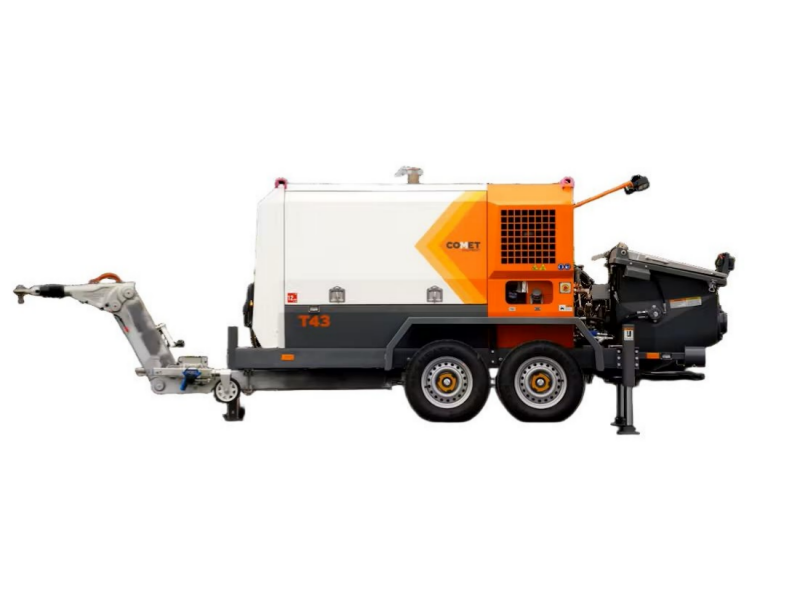
1. Trailer-Mounted Concrete Pump (or Stationary Pump)
- Features: No boom; requires manual laying and connection of delivery pipelines.
- Advantages: Lower cost, capable of long-distance and high-height delivery (achievable through relay pumping).
- Disadvantages: Labor-intensive pipeline setup and dismantling; less flexible.
- Applicable Scenarios: Large foundations, dams, core tubes of high-rise buildings, and other fixed or mass concrete pours.
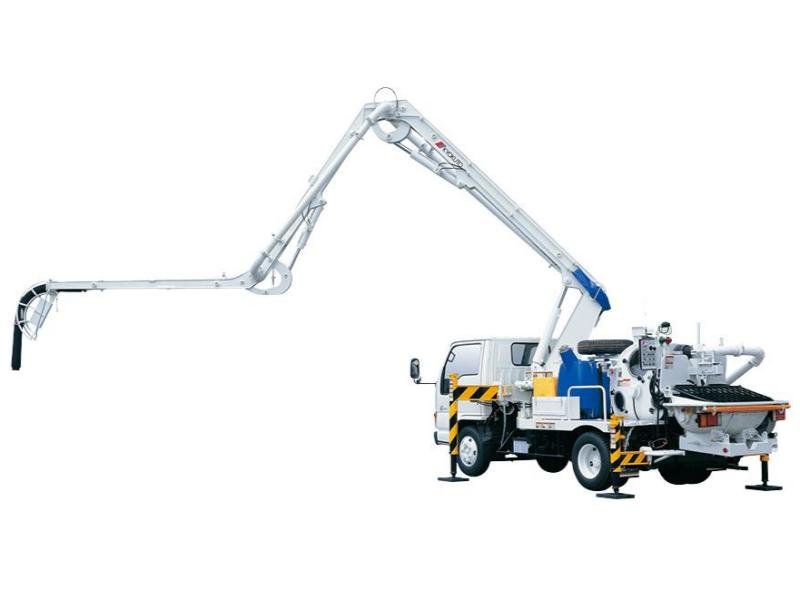
2. Concrete Pump Truck (or Boom Pump)
- Full Name: Concrete pump truck or truck-mounted boom pump.
- Features: Integrates the concrete pump with a multi-section, hydraulically folding boom mounted on a truck chassis.
- Advantages: Highly mobile and flexible. Can quickly deploy the boom for pouring upon arrival at the site, requiring little to no auxiliary piping, resulting in extremely high efficiency.
- Disadvantages: Limited by boom length (commonly 30-60+ meters); expensive.
- Applicable Scenarios: The vast majority of urban construction projects, such as buildings, bridges, and municipal works.
Core Working Principle (Using the common S-valve trailer pump as an example)
This is a cyclical process of suction and pushing:
- Suction Stroke: One concrete cylinder retracts, drawing concrete from the hopper, while the other cylinder advances, pushing the previously drawn concrete through the S-valve into the delivery pipe.
- Reversal Stroke: When the pushing cylinder is nearly empty and the suction cylinder is nearly full, the hydraulic system activates the S-valve to swing, switching its connection between the two cylinders.
- Pushing Stroke: The cylinder that was just sucking converts to the pushing state, and the other cylinder converts to the suction state. This cycle repeats, creating a continuous flow of concrete.
Primary Uses and Advantages
- Increased Efficiency: Fast delivery speed enables continuous pouring, significantly shortening project timelines.
- Expanded Construction Range: Can deliver concrete to locations difficult or impossible for manual access (e.g., high elevations, deep pits, across rivers).
- Ensured Quality: Continuous pumping reduces the likelihood of cold joints, resulting in more uniform placement.
- Cost Savings: Reduces the need for manual handling and the setup of extensive scaffolding and chutes.
- Environmental and Safety Benefits: Minimizes dust and material spillage on-site and lowers worker labor intensity and safety risks.
Frequently Asked Questions and Answers about Concrete Pumps
The following are common questions and answers regarding concrete pumps, covering their principles, types, applications, and precautions:
1. What is a concrete pump?
A: A concrete pump is a mechanical device that uses pressure to continuously transport pre-mixed concrete through pipelines to the construction point. It is mainly divided into two categories: trailer-mounted pumps (requiring manual pipe connection) and boom pumps (equipped with a folding boom, offering high mobility and flexibility).
2. How does a concrete pump work?
A: The core principle is hydraulic propulsion + valve switching:
- Two concrete cylinders work alternately: while one sucks in material, the other presses and delivers concrete.
- Continuous delivery is achieved by switching the pipeline connection direction via an S-valve (or gate valve).
- The hydraulic system provides power, with pressure reaching up to several tens of Megapascals (MPa).
3. How high/far can a concrete pump deliver?
A: It depends on the equipment model and pipeline layout:
- Trailer Pump: Theoretically, vertical height can exceed 600 meters, and horizontal distance can surpass 2000 meters (requiring relay pumping).
- Boom Pump: Limited by boom length. Common vertical reach is 30-70 meters (approx. 10-23 stories), with the largest models reaching over 100 meters.
4. Are there requirements for the concrete to be pumped?
A: Yes, strict requirements exist. The concrete must have:
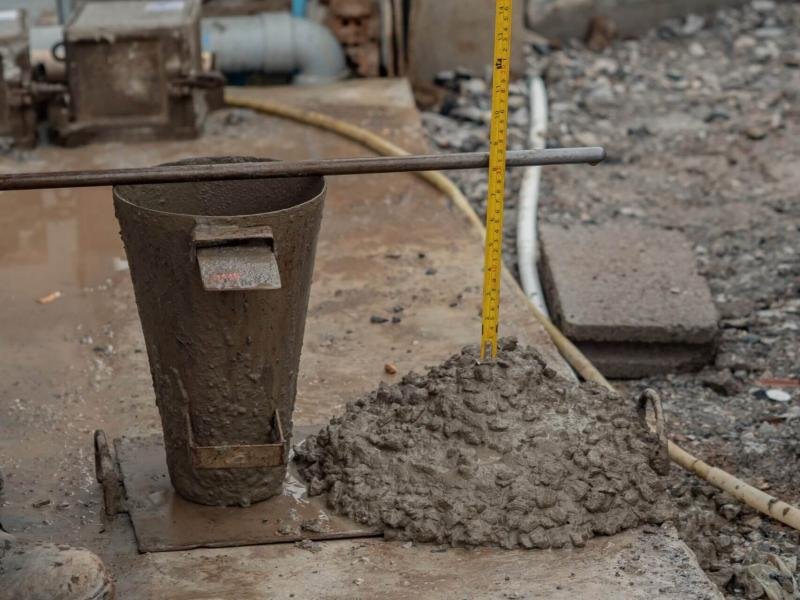
- Fluidity: Slump typically between 120-220mm (pumpable flowable concrete).
- Mix Design: Additives like fly ash or slag powder are often needed to improve pumpability.
- Aggregate Size: Coarse aggregate particle size should not exceed 1/3 of the pipeline diameter (usually ≤40mm).
- Concrete prone to blockage: Has low slump, segregation, uneven water content, or oversized aggregate.
5. What should be done if a pipeline blockage occurs?
A: Prevention and handling steps:
- Prevention: Maintain consistent concrete quality; lubricate pipelines with mortar before pumping.
- Signs: Sudden pressure increase, interrupted flow at the outlet, unusual noises.
- Handling:
- Immediately reverse pump to suck back the concrete.
- Locate the blockage point (common at bends and pipe joints).
- Tap/vibrate the blocked section, or disassemble for cleaning.
- Absolutely avoid forced high-pressure pumping to prevent pipe bursts!
6. What precautions should be taken when operating a pump truck boom?
A: Safety is paramount:
- Stable Support: Outriggers must be fully extended on solid ground, keeping the truck level.
- Safe Distance: Keep the boom away from high-voltage power lines (at least 5-8 meters), buildings, and cranes.
- Slow and Steady: Avoid sudden movements; stop operation in high winds (≥ Force 6) or thunderstorms.
- Dedicated Signal Person: The operator must maintain communication with the site signal person and be aware of blind spots.
7. What maintenance does a concrete pump require?
A: Key daily maintenance points:
- Daily Checks: Hydraulic oil level, lubrication system, pipeline wear, and seals.
- Regular Maintenance: Replace hydraulic oil filters; clean the S-valve and hopper; inspect wear parts (e.g., wear plate, cutting ring).
- Pipeline Management: Periodically rotate severely worn straight pipes or elbows; replace them promptly.
8. How to choose the type of concrete pump?
A: Based on project needs:
- High-rise/Large-volume foundations: Use high-pressure trailer pumps + pipeline systems.
- Urban building construction/Municipal engineering: Prioritize boom pumps (high efficiency, flexibility).
- Confined sites: Consider small or mini pumps (e.g., “ant pumps”).
9. What is the cost of pumping concrete?
A: Costs include:
- Equipment Rental: Boom pumps approx. $500 – $1,000/day (depending on boom length).
- Labor: Operator + assistants.
- Fuel/Power Consumption: Trailer pumps consume electricity; pump trucks consume diesel.
- Pipeline Amortization: Cost of replacing worn pipe components.
10. Are qualifications required to operate a concrete pump?
A: Yes!
- Operators must undergo professional training and hold special equipment operation certificates.
- They must be familiar with the equipment structure, safety regulations, and emergency handling procedures.