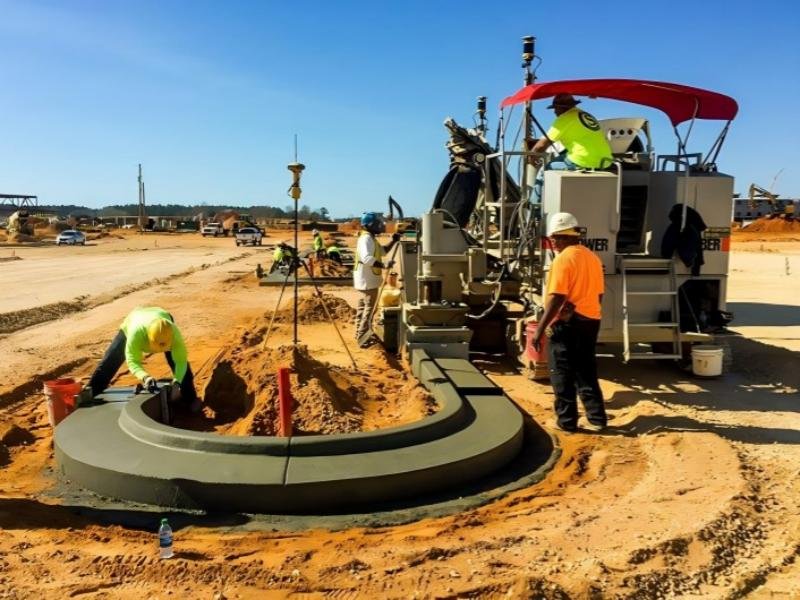
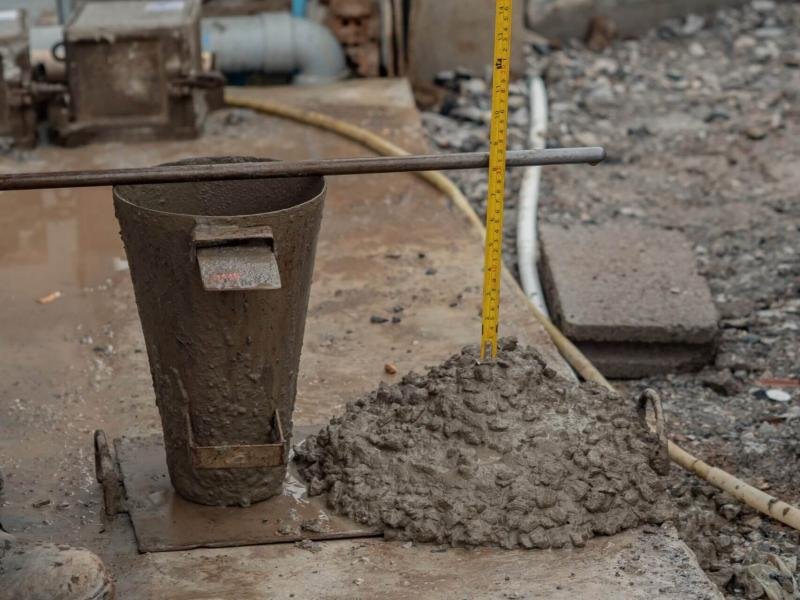
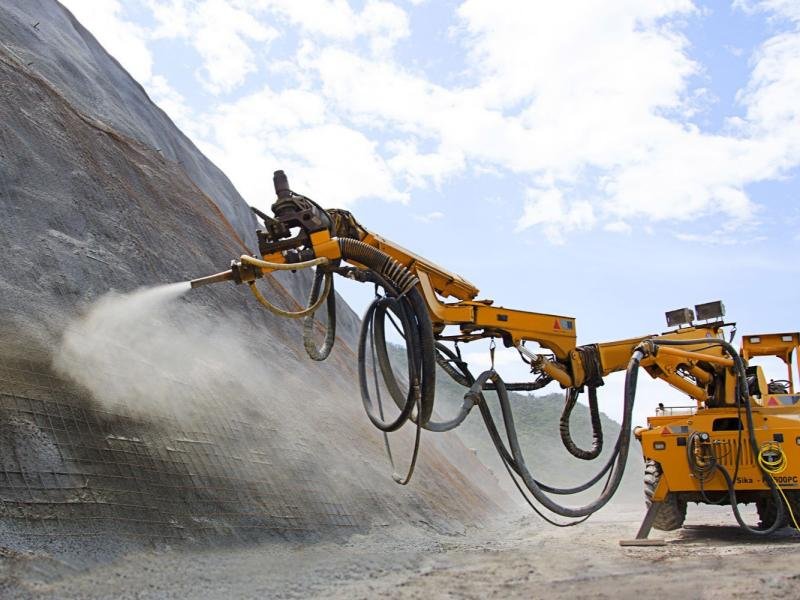
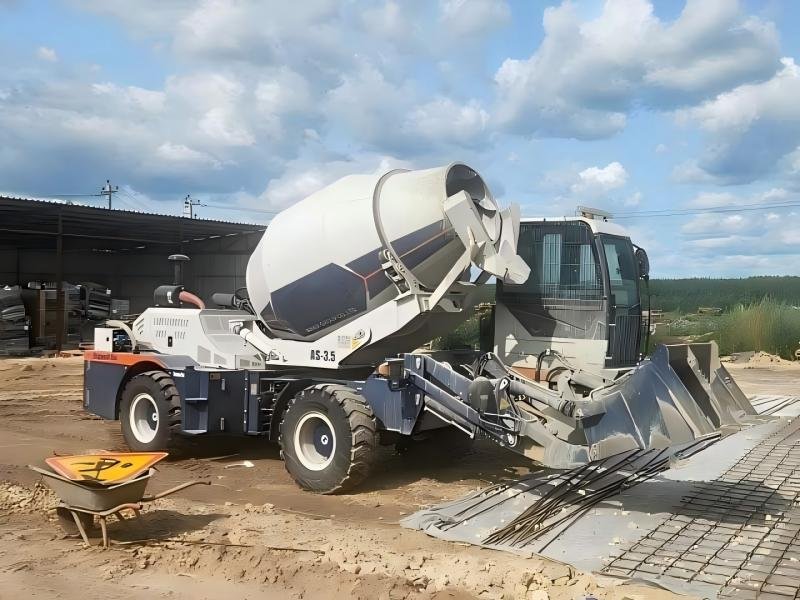
Using a self-loading concrete mixer (also known as a self-loading mobile mixer) is a revolutionary solution for small to medium-sized projects, construction in remote areas, and specific business models. Its core value lies in its “integration, independence, and extreme flexibility.” It is not just a piece of equipment but a “mobile mini concrete factory.”
Choosing a self-loading concrete mixer with high cost-effectiveness is crucial because it directly determines the success, return on investment, and risk resilience of your investment. It is far more than just “buying a piece of equipment”; it is “investing in a mobile concrete business.” High cost-effectiveness means finding the optimal balance between performance, price, reliability, and long-term costs.
A self-loading mixer is a revenue-generating tool, not a consumable. Its core value lies in making money by producing concrete.
Low cost-effectiveness (high price with low quality or low price with poor quality): Either the initial investment is too high, leading to a prolonged payback period, or frequent failures and low availability prevent the stable generation of expected revenue, potentially causing the investment to fail.
High cost-effectiveness: With a reasonable investment, you acquire a piece of equipment that is efficient, reliable, and capable of continuous operation, ensuring quick capital recovery and sustained profitability.
The price and cost structure of a self-loading concrete mixer (also called a truck-mounted mixer or self-loading mixer) are influenced by many factors. Understanding these key points is essential for making informed purchasing decisions and controlling costs. The following are the key factors affecting its price and total cost of ownership:
Key Factors Directly Affecting Purchase Price
Core Configuration and Performance
- Mixing Capacity: The drum capacity (e.g., 4.5m³, 6m³, 8m³) is the primary factor determining price. Larger capacities command higher prices.
- Engine Power and Brand: High-power, highly reliable engines from well-known brands cost more but ensure power and durability in complex working conditions.
- Chassis Brand and Load Capacity: The brand of the specialized truck chassis, the number of axles, and the load-bearing capacity directly determine the price and suitability for different scenarios.
- Hydraulic System: The brand and performance of core hydraulic pumps, motors, and valves. High-performance hydraulic systems are more efficient and have lower failure rates, but they come at a higher cost.
- Superstructure Manufacturing and Materials: The steel quality of the mixing drum and loader arm, wear-resistant liners, structural design, etc., affect lifespan and price.
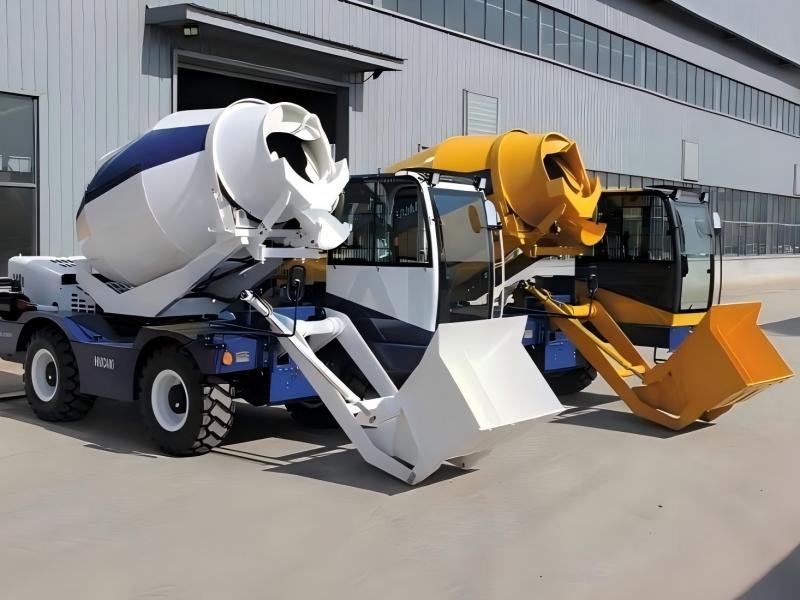
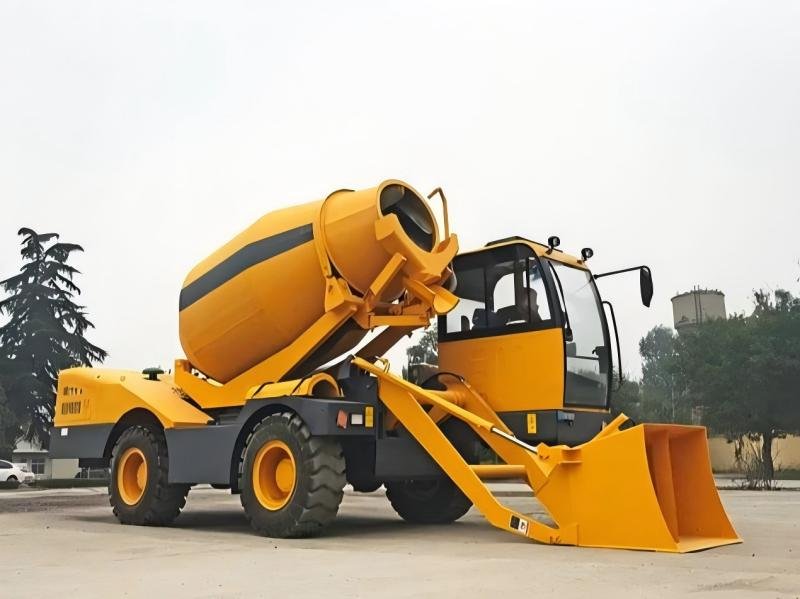
The MecBace is an outstanding representative of high cost-effectiveness. Its advantage lies not only in price but also in achieving significant optimization of the “Total Cost of Ownership” through excellent engineering design, enabling faster and more stable returns on your investment.
Key Factors Affecting Total Lifecycle Cost
Operational Efficiency Costs
- Loading/Mixing/Unloading Speed: An efficient system shortens the cycle time per batch, producing more cubic meters per day and diluting fixed costs. This is the most critical economic consideration when selecting equipment.
- Fuel/Hydraulic Oil Consumption: Efficient engines and hydraulic systems significantly reduce hourly fuel consumption.
- Labor Costs: Highly automated equipment requires only one operator, saving manpower.
Maintenance and Durability Costs
- Key Component Lifespan: The service life of wear-resistant liners, mixing blades, and hydraulic components. High-quality components have longer replacement intervals, reducing downtime and parts costs.
- Ease of Maintenance: Is the design easy to service? Is the proportion of通用件 high? This affects repair labor hours and costs.
- Failure Rate: Although high-reliability equipment may have a higher purchase price, the losses from downtime due to failure (project delays, cost of renting replacement equipment, penalty fees for breaching contracts) can far exceed repair costs themselves.
Material and Quality Costs
- Batching Accuracy and Consistency: Precise batching and mixing systems ensure stable concrete quality, reduce waste of expensive materials like cement, and avoid rework or quality accidents due to inadequate strength.
- Adaptability and Versatility: Can it mix different types of materials (e.g., mortar, aggregate)? More adaptable equipment can handle a wider variety of projects.
After-Sales Service and Support Costs
- Warranty Period and Terms: A long and comprehensive warranty reduces initial risks.
- Spare Parts Availability and Pricing: Are parts readily available? Are prices reasonable? This directly impacts long-term maintenance costs.
- Service Network Response Speed: When equipment problems arise, can MecBace and its dealers quickly provide technical support or on-site service? Downtime is money.
Purchasing Decision Advice
| Cost Consideration | Choose High-Spec/High-Price Equipment | Choose Low-Spec/Low-Price Equipment |
|---|---|---|
| Applicable Scenarios | Large project volumes, tight schedules, high requirements for concrete quality, complex working conditions, plans for long-term use. | Small project volumes, temporary projects, low requirements for output efficiency, extremely limited budget. |
| Long-Term Economics | Total Cost of Ownership may be lower. Due to high efficiency, fuel savings, material savings, fewer failures, and long lifespan. | Low initial investment, but long-term operational costs may be higher. Low efficiency, high risk of failure, low resale value. |
| Risk | High capital commitment. | High risk of downtime, potentially affecting the overall project’s profitability due to equipment issues. |
Conclusion
When selecting a self-loading concrete mixer, one should not focus solely on the initial purchase price but should conduct a Total Cost of Ownership analysis. For users who rely on the equipment to generate revenue, the Return on Investment (ROI) is the core metric. A piece of equipment with high efficiency, high availability, and precise material control, even if its price is 20-30% higher, can often recover the price difference within a year through increased revenue generation and cost savings, and create considerably higher net profits in subsequent years.